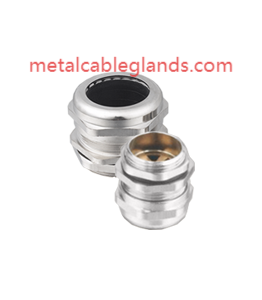
Cable installation in modern industrial equipment requires more than a secure connection between wires and enclosures. Proper cable routing also plays an important role in reducing mechanical stress and maintaining reliable electrical performance. An Anti-Bending Cable Gland offers additional support where cables enter equipment housings, helping manage bending angles and movement. For machinery producers and electrical component distributors, selecting an appropriate Anti-Bending Cable Gland can contribute to better cable organization, installation convenience, and long-term equipment maintenance.
Managing Cable Movement in Complex Installations
Industrial equipment often contains cables that pass through narrow spaces, connect different components, or follow complicated routing paths. During installation, cables may need to change direction close to an enclosure entry point. If the bending angle is too sharp, mechanical stress can become concentrated around a small section of the cable.
Repeated movement may gradually affect the outer jacket and internal conductor structure. This concern becomes more significant in machinery exposed to vibration, frequent adjustments, or regular maintenance activities.
A protective cable gland with a flexible bending section helps create a smoother transition between the cable and equipment housing. Rather than forcing the cable into an abrupt direction change, the protective structure supports more controlled routing.
This feature is particularly useful when equipment designers need to balance limited installation space with appropriate cable protection.
Design Details That Influence Installation Quality
Different cable gland designs offer different advantages depending on their construction and intended applications. Buyers should examine several structural details before making a purchasing decision.
Flexible protective construction: A flexible section can help guide cables through changing directions while reducing concentrated bending stress near the enclosure.
Cable gripping structure: The internal clamping arrangement should accommodate the selected cable diameter and help maintain a stable connection during equipment operation.
Thread compatibility: Matching the gland thread with the enclosure opening is essential for proper mounting and installation efficiency.
Material characteristics: Nylon is widely used in electrical accessories because it offers lightweight construction and electrical insulation properties. Buyers should also consider mechanical durability and environmental suitability.
Sealing arrangement: Appropriate sealing structures help protect equipment interiors from external dust and moisture when the product is designed for those conditions.
Considering these features together allows purchasing teams to compare products according to actual application requirements rather than relying on appearance alone.
Applications in Robotics, Machinery, and Control Systems
Cable bending protection has practical value in industries where equipment layouts involve limited space or regular movement.
Robotic systems frequently use cables to connect motors, sensors, controllers, and other electrical components. Cable routing must accommodate the movement of mechanical arms while avoiding excessive strain at connection points. Suitable protective accessories can contribute to better cable management.
Packaging and processing machinery also contain multiple electrical connections. During equipment maintenance or component replacement, cables may be repositioned several times. A suitable protective gland helps maintain a more organized entry arrangement.
In industrial control cabinets, cable entry accessories support orderly wiring and help separate different connection paths. They can also simplify inspection by creating consistent cable installation points.
Other potential applications include automated assembly equipment, communication devices, lighting systems, and electrical distribution products. The appropriate selection depends on cable movement, operating temperature, enclosure construction, and installation conditions.
Metalcableglands Solutions for Cable Entry Protection
Metalcableglands supplies cable connection accessories for industrial electrical applications, including nylon cable glands, waterproof metal cable glands, and other enclosure connection products.
For equipment manufacturers, choosing cable accessories requires attention to the complete installation structure. Cable diameter, enclosure thickness, mounting thread, and routing direction should all be considered before selecting a suitable component.
Nylon anti-bending cable glands are particularly relevant when designers need a lightweight connection accessory with additional support for cable positioning. Their suitability should be evaluated against the mechanical demands and environmental conditions of the intended equipment.
Suppliers that understand cable gland applications can also help customers clarify product specifications and compare different connection options. This communication is valuable for distributors handling multiple product models and manufacturers developing equipment with specific installation requirements.
Practical Considerations for Purchasing and Maintenance
A successful cable protection strategy starts with accurate product selection. Buyers should first identify the cable's outer diameter and determine the thread specification required by the enclosure. They should then evaluate the expected bending direction, installation space, and operating environment.
Installation practices also influence the effectiveness of protective accessories. The cable should not be forced into an unnecessarily tight curve, and the gland should be installed according to its product specifications. Correct tightening and suitable cable positioning help establish a stable assembly.
Maintenance teams should periodically inspect cable entry areas, particularly in machinery exposed to vibration or repeated movement. Signs of damaged insulation, loose mounting, or unusual cable deformation should be investigated before they develop into larger equipment problems.
For manufacturers, wholesalers, and electrical equipment distributors looking for suitable cable entry accessories, https://www.metalcableglands.com/ provides access to a range of cable gland products and related industrial connection solutions. Visitors can explore nylon cable glands, waterproof metal cable glands, and other accessories while reviewing product information for different installation requirements. Businesses can also contact the company to discuss cable dimensions, thread compatibility, material selection, and potential sourcing arrangements. By matching product specifications with actual operating conditions, purchasing teams can improve cable installation planning, support consistent assembly processes, and provide more practical connection solutions for their customers.