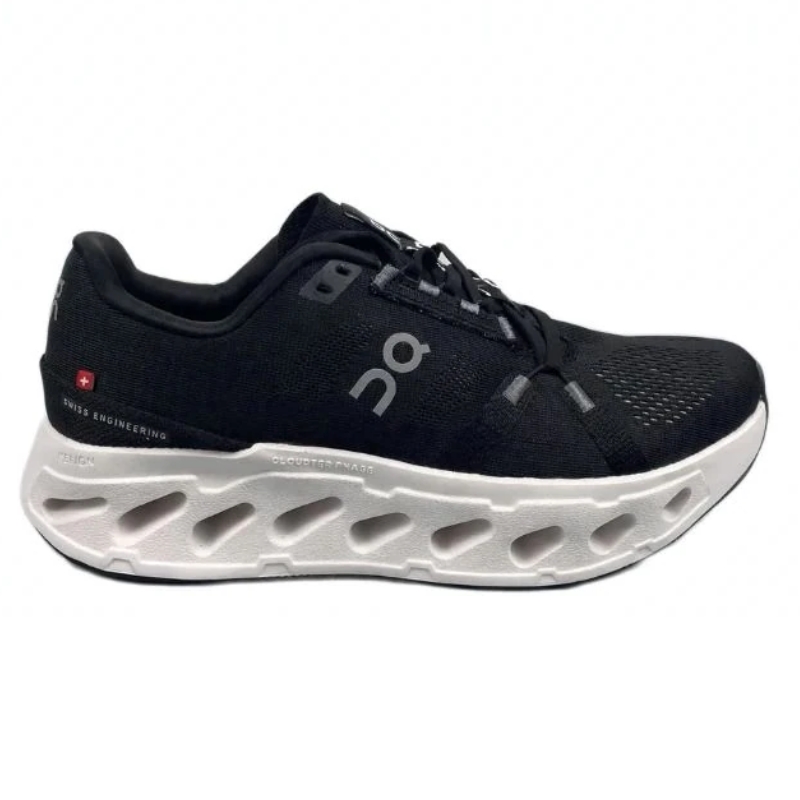
Every major fashion wave eventually crests, and the decade-long obsession with wearing technical gym trainers everywhere is no exception. Across global style capitals, sharp-eyed buyers are already rotating back toward tailored leather loafers, low-profile retro court shoes, and structured smart-casual dressing. For Swiss challenger On Running—whose hollow-pod silhouettes became the unofficial uniform of airport terminals, hospital shifts, and creative offices—that looming shift poses an existential stress test: once athleisure stops being the default dress code, does On survive as a serious athletic institution or fade like yesterday’s streetwear trend?
Why Elite Podiums Matter More Than Paparazzi Sightings
Fashion-first sneaker brands vanish the moment On Cloud stylists move on, whereas performance-anchored brands retain permanent utility. Throughout 2026, Zurich’s leadership poured heavy R&D capital into proving On belongs at the sharp end of competitive distance running rather than just celebrity airport walks. Historic men’s and women’s podium finishes at the New York City Marathon, double victories in Frankfurt, and the rollout of the Cloudsurfer 3 and Cloudboom Strike 2 cemented genuine race-day credibility. When serious marathoners trust a brand’s carbon-plated racers at world-record pace, specialty running stores keep stocking its daily trainers regardless of runway moods.
Following the 2026 Money Trail Behind the Hype
Look beneath sidewalk visibility at On’s financial architecture, and a disciplined survival strategy comes into focus. Even as broader athletic retail faced promotional headwinds in 2026, On crossed CHF 931 million in third-quarter net sales while defending an extraordinary 66.9 percent gross margin through strict full-price discipline. Crucially, direct-to-consumer boutiques now generate over forty-two percent of revenue, while apparel and training lines expanded rapidly alongside core footwear—giving On diversified cash reserves to weather any slowdown in casual lifestyle sneaker demand.
Lifestyle Exposure vs. Structural Resilience
The Real Vulnerability Zurich Must Navigate
Still, surviving a post-athleisure contraction will not be completely painless for On. A substantial share of its rapid under-34 expansion rode on sleek ukonclouds.com lifestyle silhouettes like the Cloudtilt and high-fashion Loewe collaborations. If urban commuters suddenly trade chunky technical soles for classic leather footwear, On’s explosive twenty-percent sales pace would inevitably cool into steadier single-digit growth. Moreover, because hollow rubber pods still wear down faster than solid carbon-rubber outsoles, casual buyers who only tolerated faster wear for style points might defect once the aesthetic loses novelty.
Relevance Built on Utility Rather Than Trend Cycles
Ultimately, On Cloud shoes will remain relevant long after the athleisure bubble bursts—simply evolving from a ubiquitous fashion flex back into a leaner, performance-driven athletic powerhouse. Casual trend-chasers will eventually drift toward whatever silhouette dominates social feeds next. What endures is a cash-rich Swiss engineering brand backed by World Marathon Major podiums, robotic LightSpray manufacturing, and millions of standing workers and runners who rely on lightweight cushioning every single day.
Frequently Asked Questions (FAQs)
Q1: Will On Cloud shoes go out of style if the athleisure trend ends?
While casual lifestyle models like the Cloudtilt may see slower fashion demand if dressier shoes return, On’s strong performance running lineup and everyday utility among healthcare workers and travelers keep the brand relevant beyond trends.
Q2: Are On Running shoes actually respected by serious runners or just casual wearers?
Serious runners increasingly respect On, especially following its 2026 New York City and Frankfurt Marathon podium finishes and technical updates like the Cloudsurfer 3 and carbon-plated Cloudboom Strike 2.
Q3: How does On Running protect its business from sneaker trend cycles?
On insulates itself through strict full-price retail discipline (maintaining roughly 67% gross margins), expanding direct-to-consumer flagship stores, growing apparel and tennis categories, and investing heavily in running R&D.