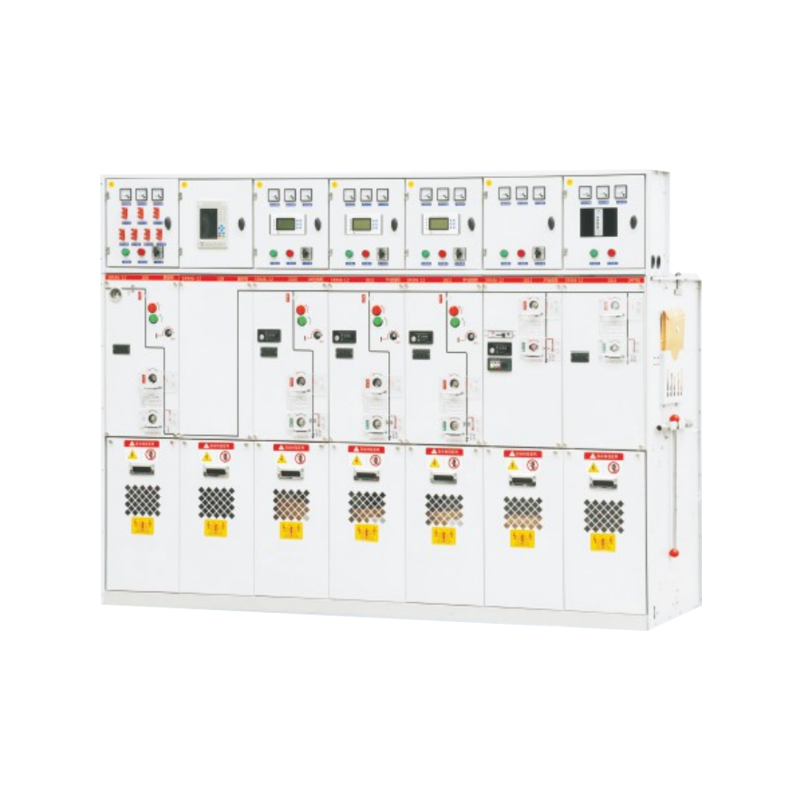
Modular Photovoltaic Cabin Manufacturer delivers prefabricated, compartmentalized power houses that integrate inverters, transformers, switchgear, monitoring modules and auxiliary power systems for photovoltaic power stations. The modular concept splits the whole functional system into independent transportable units, so project teams can combine these units according to installed capacity instead of building fixed buildings on site. Production starts with material validation. The outer enclosure commonly uses galvanized steel or sandwich insulated panels, matched with multi-layer anti-corrosion coating to resist salt mist, sand and temperature fluctuation. Insulation foam, sealing gaskets, fire-resistant cables, copper busbars, cooling fans and intelligent monitoring components are sampled before release. The factory checks mechanical strength, insulation property, flame retardancy and corrosion resistance for each incoming batch. Materials that fail the screening will be isolated and excluded from assembly, to avoid hidden risks after outdoor commissioning.
Inside the manufacturing workshop, CNC cutting, bending and welding equipment shapes the cabin framework and panel components. Weld seams are ground and coated carefully to remove weak corrosion points. The thermal design team arranges natural air ducts or forced cooling systems based on local climate and internal heat load. Overheating may shift electrical parameters of power electronics, while excessive condensation threatens insulation safety. After shell preparation, electrical technicians mount power devices in preset zones, arrange wiring harnesses and tighten conductive joints with controlled torque. Partition boards separate high-voltage and low-voltage areas to maintain safe clearance. Door locking structures, cable entry glands and waterproof edge strips are fitted to raise the enclosure protection grade. Every connection point is inspected to confirm reliable contact and proper sealing.
Selected samples of the modular photovoltaic cabin go through a series of factory acceptance tests. The scope covers power frequency withstand testing, continuous load simulation, waterproof and dustproof verification, thermal cycling and communication signal inspection. Approved units are marked with nameplates showing rated parameters, then wrapped with protective packaging before shipment. These cabins serve EPC contractors, renewable energy developers and grid-connected power investors for ground-mounted solar farms, distributed rooftop systems and hybrid solar-storage projects.