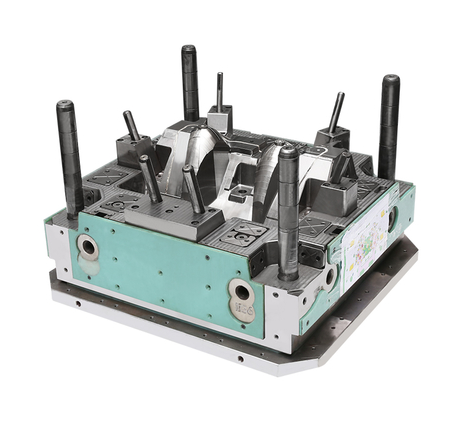
Automotive lighting components combine optical performance, structural strength, and precise assembly requirements. Headlamp lenses, rear lamp covers, reflector housings, and signal light components all rely on carefully controlled dimensions. Behind these parts is the Auto Lamp Mould, a specialized injection mould that transforms plastic resin into components designed to fit specific vehicle lighting systems.
The development of an Auto Lamp Mould starts with the geometry of the lamp component. Engineers review the 3D model, wall thickness, curvature, mounting points, and connection structures before planning the cavity and core. Transparent lamp lenses require particular attention to surface quality and optical consistency. Housing components, in contrast, may contain reinforcing ribs, screw bosses, clips, and positioning features that support assembly.
Material selection depends on the function of each molded part. Polycarbonate (PC) is frequently used for headlamp lenses because of its impact resistance and optical properties. PMMA can be selected for certain transparent lighting covers where surface clarity is important. ABS and PP are also used in selected lamp housings and internal components. Resin characteristics influence shrinkage, flow behavior, mould temperature, and processing conditions, so material data needs to be considered during Auto Lamp Mould design.
The mould itself generally consists of a mould base, cavity, core, guide components, ejection system, and cooling channels. Precision CNC machining creates the main cavity geometry, while EDM helps produce narrow grooves and detailed features. For transparent lenses, polishing and surface finishing require particular attention because minor imperfections on the mould surface may appear on the finished component.
Cooling system design is another significant factor. Uneven temperature distribution can lead to warpage, internal stress, or dimensional variation. An Auto Lamp Mould therefore needs cooling channels positioned according to the component's shape and thickness. Complex curved lenses may require carefully arranged cooling circuits to support consistent solidification across the moulded surface.
Some automotive lamp designs include undercuts, side openings, or complicated fastening structures. These features may require sliders, lifters, or angled mechanisms within the mould. Multi-cavity tooling can be considered for smaller lamp components, while larger headlamp lenses and housings often require dedicated cavity layouts.
An Auto Lamp Mould must also support accurate alignment between the lens, reflector, housing, and mounting interfaces. Dimensional control helps ensure that molded parts fit their corresponding assemblies without unnecessary adjustment. From automotive headlamps and tail lamps to fog lamps and signal lights, specialized tooling connects product design with repeatable component manufacturing.