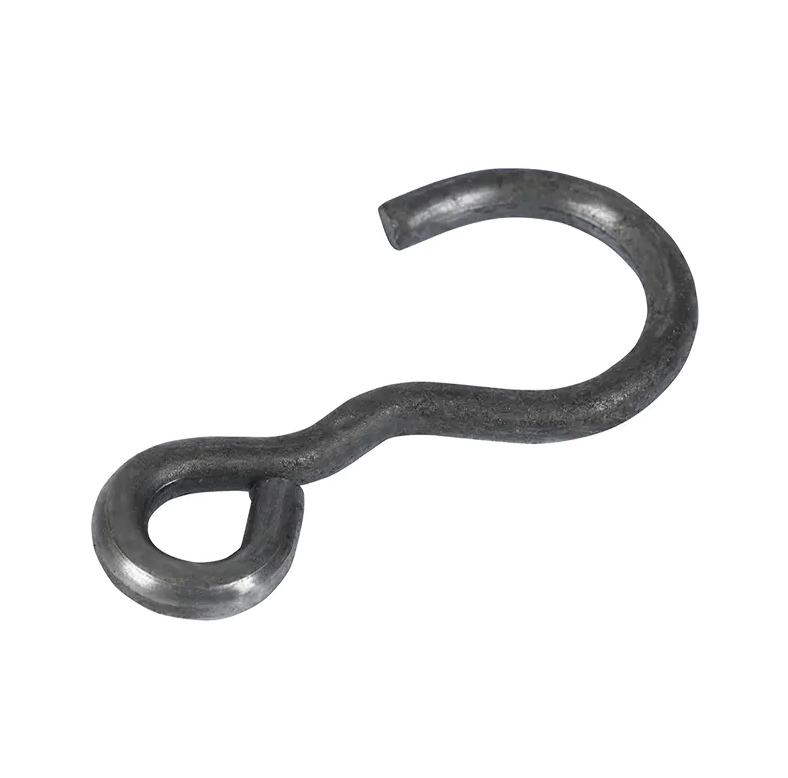
Understanding Customized Stainless Steel Solutions
Customized stainless steel refers to stainless steel products that are designed and manufactured to meet specific dimensional, functional, or aesthetic requirements. Unlike standard components, custom stainless steel parts are tailored to fit exact applications, making them essential in industries where precision, durability, and corrosion resistance are critical. This approach allows manufacturers to deliver components that perform reliably under demanding conditions.
Selecting the Right Stainless Steel Grade
Choosing the appropriate stainless steel grade is fundamental to successful customization. Austenitic grades such as 304 and 316 are widely used due to their excellent corrosion resistance and formability. Grade 316 is particularly suitable for marine or chemical environments. Ferritic and martensitic grades offer higher strength or magnetic properties when required. Manufacturers evaluate operating conditions, load requirements, and environmental exposure to determine the most suitable material.
Fabrication Methods for Custom Stainless Steel
Various fabrication techniques are used to produce customized stainless steel components. Common methods include laser cutting, CNC machining, bending, welding, and stamping. Laser cutting provides high precision and clean edges, while CNC machining ensures tight tolerances for complex geometries. Welding techniques such as TIG and MIG are applied to assemble parts while maintaining structural integrity.
Precision Manufacturing and Dimensional Accuracy
Precision is a key advantage of customized stainless steel manufacturing. Advanced machinery and digital design tools allow manufacturers to maintain accurate dimensions throughout production. Proper fixturing, controlled processing parameters, and skilled operators help minimize deviations and ensure consistent results across production batches.
Surface Finishing for Performance and Appearance
Surface finishing enhances both functionality and aesthetics. Options include polishing, brushing, bead blasting, and passivation. These finishes improve corrosion resistance, reduce surface roughness, and enhance visual appeal. In some applications, surface treatments also improve hygiene, making stainless steel ideal for food processing and medical equipment.
Quality Control and Inspection
Quality control is integrated at every stage of production. Manufacturers inspect raw materials, monitor fabrication processes, and perform final inspections using measuring tools and testing equipment. Non-destructive testing and visual inspections help ensure structural integrity and compliance with specifications.
Customization for Diverse Applications
Customized stainless steel products are used across many industries, including construction, food processing, medical devices, automotive components, and industrial machinery. Customization allows parts to meet specific performance, safety, and regulatory requirements while maintaining long service life.
Balancing Cost, Lead Time, and Performance
Customization can affect production cost and lead time, but efficient process planning helps manage these factors. By selecting appropriate materials, fabrication methods, and batch sizes, manufacturers deliver cost-effective solutions without compromising quality or performance.
Delivering Value Through Custom Stainless Steel
Customized stainless steel offers a reliable solution for applications requiring durability, precision, and corrosion resistance. By understanding material selection, fabrication techniques, and quality control practices, buyers can work effectively with suppliers to achieve tailored solutions that meet their exact needs.