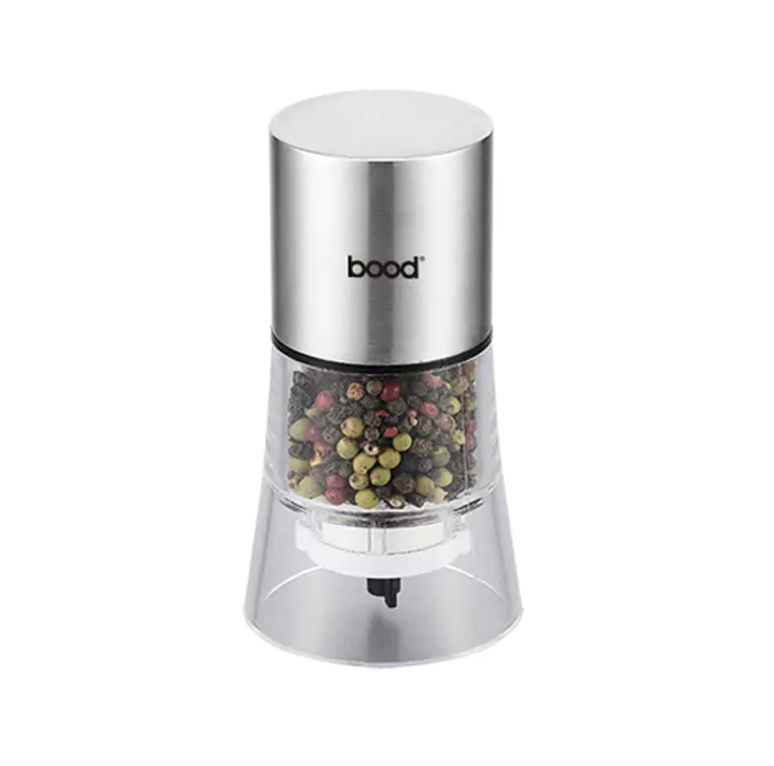
In an age of automated appliances and electric tools, simple kitchen devices continue to hold their place. The Manual Pepper Grinder remains a familiar item on dining tables and countertops, valued for its direct control and tactile experience. Rather than relying on power sources, this tool allows users to grind peppercorns by hand, connecting seasoning with personal preference and rhythm.
One reason the Manual Pepper Grinder continues to be widely used is its straightforward operation. Turning a handle or twisting the body applies mechanical force to crack peppercorns into smaller particles. This process releases aroma at the moment of use, supporting freshness during meal preparation. Many cooks appreciate being able to season dishes gradually, adjusting flavor as they go rather than dispensing a fixed amount at once.
Materials play an important role in the performance of a Manual Pepper Grinder. Common designs combine wood, stainless steel, glass, or durable plastics for the outer body. Inside, grinding mechanisms are often made from ceramic or hardened steel. Ceramic mechanisms resist corrosion and work well with different spices, while steel options provide consistent cutting action for peppercorns. The choice of materials affects weight, balance, and long-term use.
The internal mechanism is another defining element of a Manual Pepper Grinder. Burr-style grinders crush peppercorns between two surfaces instead of slicing them, producing more uniform particles. This consistency supports even seasoning across a dish. Some grinders are designed with fewer internal parts, making them easier to clean and maintain, while others focus on modular construction for part replacement.
Adjustability adds further appeal to a Manual Pepper Grinder. Many models include a simple dial or screw that allows users to change grind size from coarse to fine. Coarser grinds are often used for steaks or salads, while finer textures suit soups and sauces. This flexibility allows one tool to support multiple cooking styles without requiring additional equipment.
Maintenance is generally uncomplicated for a Manual Pepper Grinder. Refilling usually involves removing the top or base and adding whole peppercorns. Occasional cleaning with a dry cloth helps prevent residue buildup. Because the device does not rely on electronics, there is less concern about moisture damage or battery replacement, making it suitable for long-term kitchen use.
Beyond function, a Manual Pepper Grinder also contributes to the visual atmosphere of dining spaces. Designs range from traditional wooden forms to modern minimalist shapes. On restaurant tables, grinders often signal freshness and care in presentation. In home kitchens, they can complement cookware and tableware, becoming both a tool and a decorative element.
The Manual Pepper Grinder remains relevant due to its simplicity, control, and adaptability. Through thoughtful material choices, reliable mechanisms, and adjustable settings, it supports everyday cooking without unnecessary complexity. Whether used during meal preparation or at the table, this familiar tool continues to offer a practical way to season food while maintaining a hands-on connection to the cooking process.
https://www.pepper-grinder.com/product/manual-salt-pepper-mill/