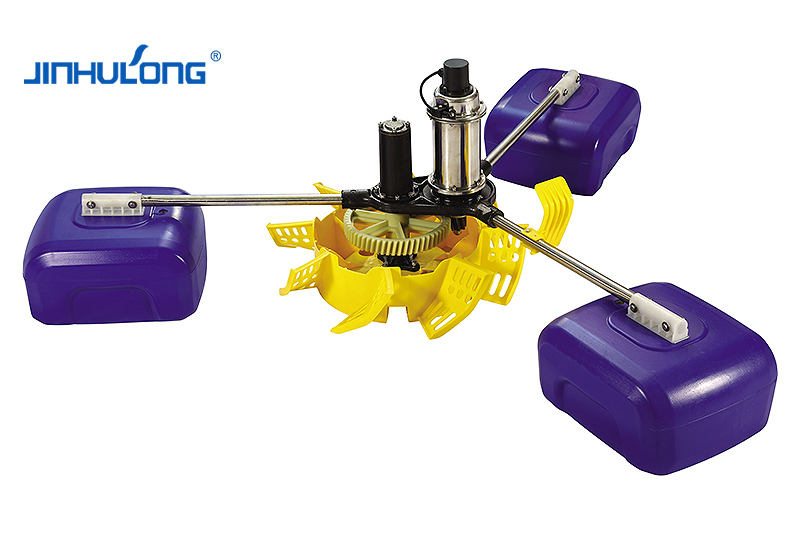
An Impeller Aerator is a highly effective water management device commonly used in aquaculture systems like fish ponds and shrimp farms. These aerators are designed to circulate water and introduce air into the system, promoting better oxygenation and improving overall water quality. In aquaculture, maintaining optimal water quality is essential for the health and growth of aquatic species. By enhancing oxygen transfer, preventing stratification, and increasing water circulation, an impeller aerator plays a crucial role in improving pond water conditions.
Oxygenation and Dissolved Oxygen Levels
The most immediate benefit of an Impeller Aerator is its ability to increase dissolved oxygen (DO) levels in the water. Oxygen is a vital element for the survival of fish, shrimp, and beneficial microorganisms within the pond ecosystem. Inadequate oxygen levels can lead to stress, disease, or even mass mortality of aquatic species. The impeller aerator uses its rotating blades to churn water, drawing air into the system and creating small oxygen bubbles that dissolve effectively in the water. This mechanism helps maintain adequate oxygen levels across the entire pond, including deeper areas that are harder to reach with surface aerators.
Preventing Stratification and Improving Circulation
One of the common challenges in aquaculture ponds is water stratification, where the oxygen-rich surface water sits on top of colder, oxygen-depleted water. This stratification can lead to anaerobic conditions at the bottom, which negatively impacts water quality and aquatic health. An Impeller Aerator combats stratification by continuously circulating water throughout the pond. Its rotating blades help to mix the upper and lower layers, ensuring that oxygen reaches all parts of the pond and preventing harmful low-oxygen zones from forming. The improved circulation also distributes nutrients more evenly, which is beneficial for both aquatic organisms and the natural filtration processes within the pond.
Enhancing Biological Filtration
In addition to improving oxygenation and circulation, the Impeller Aerator indirectly boosts the biological filtration process in the pond. Beneficial bacteria that break down organic waste (like uneaten food, fish waste, and dead plant matter) require sufficient oxygen to thrive. By increasing DO levels and promoting water movement, the aerator supports the growth and activity of these bacteria. As a result, organic matter is broken down more efficiently, reducing the accumulation of harmful substances such as ammonia, nitrites, and nitrates. This helps maintain a cleaner and healthier pond environment, reducing the need for chemical treatments and minimizing the risk of waterborne diseases.
Improving Water Clarity
Another significant benefit of an Impeller Aerator is its ability to improve water clarity. The enhanced circulation helps to suspend particles in the water column, allowing them to be filtered out more efficiently by natural or mechanical filtration systems. In addition, the aerator helps to break up biofilms and algae mats that can cloud the water. Clearer water not only improves the aesthetic quality of the pond but also contributes to a healthier environment for aquatic life by allowing better light penetration and promoting plant growth.
An Impeller Aerator plays a vital role in improving water quality in fish and shrimp ponds by increasing dissolved oxygen levels, preventing stratification, enhancing biological filtration, and improving water clarity. These benefits contribute to a healthier, more stable aquatic environment, leading to better growth and survival rates for aquatic species. Whether used in small-scale farms or large commercial operations, the Impeller Aerator is an essential tool for maintaining optimal water quality in aquaculture systems.