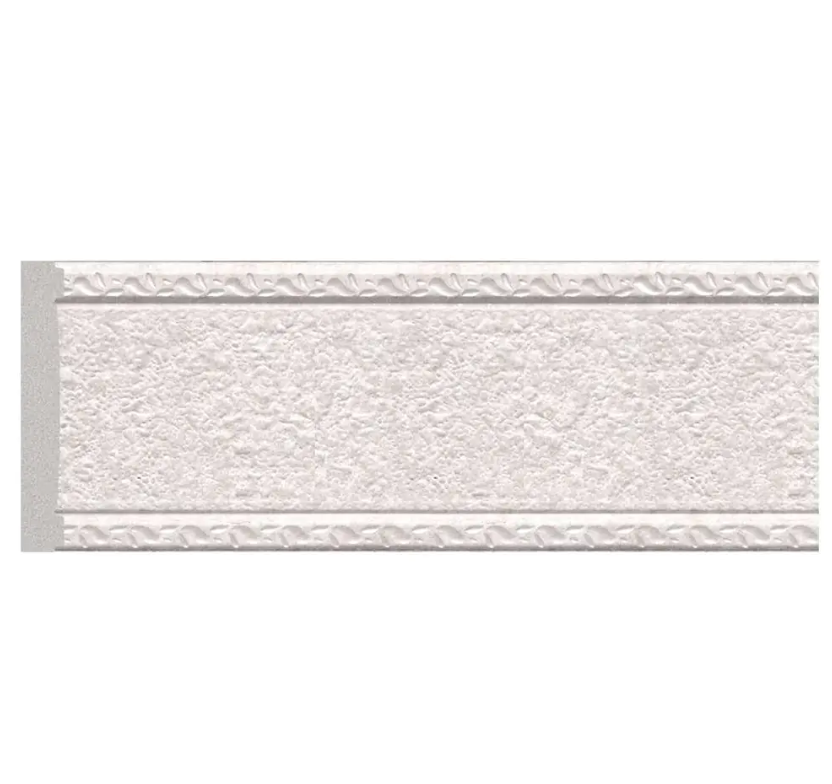
Introduction: Understanding the Durability of MDF Moulding
MDF Framing Moulding is widely used in interior design due to its smooth texture, affordability, and ease of installation. However, many homeowners and contractors question the long-term durability of MDF when compared to traditional wood or other materials. Durability is an essential factor when selecting moulding, especially in high-traffic areas or spaces exposed to moisture. This article explores the key durability features of MDF Framing Moulding, its strengths, limitations, and the best practices for enhancing its lifespan.
Durability in Various Environments
MDF is a highly versatile material, but its durability largely depends on its exposure to moisture and physical wear. MDF Framing Moulding is highly resistant to warping, shrinking, and swelling compared to natural wood. However, it is not as naturally moisture-resistant, which can lead to issues in high-humidity areas such as bathrooms, kitchens, or basements. When exposed to excessive moisture, MDF may swell or degrade, which compromises its structural integrity. To improve its durability in such environments, it is crucial to seal the surface properly with a protective coating or laminate.
Impact Resistance and Longevity
MDF Framing Moulding is relatively strong and resistant to the type of minor dents or scratches that can affect softer materials like plaster or drywall. However, it is more prone to damage from heavy impacts than hardwood moulding, which is naturally more resilient. Over time, MDF can lose its smooth finish if subjected to significant physical wear, especially in areas with high foot traffic or where furniture may be moved around frequently. The material is less prone to cracking or splitting than wood but can chip if handled improperly during installation or transport.
Preventing Damage and Enhancing Durability
To enhance the durability of MDF moulding, it is important to take certain preventive steps. For areas prone to moisture, such as kitchens or bathrooms, using a moisture-resistant MDF variant or applying a protective coating such as polyurethane can significantly improve the material’s lifespan. Additionally, painting MDF with high-quality primer and paint can further protect it from moisture and daily wear. Proper sealing around the edges of the moulding helps prevent water from seeping into the material, ensuring it maintains its strength and appearance for longer periods.
Balancing Durability and Practicality
MDF Framing Moulding offers a good balance of durability and affordability, making it a suitable choice for many interior applications. While it is not as naturally durable as hardwood, it can still provide long-lasting results with proper care and maintenance. By sealing it correctly, using moisture-resistant types, and avoiding exposure to excessive physical damage, MDF moulding can serve as a reliable and cost-effective solution for home and commercial spaces alike.