Introduction: Understanding Drill Performance
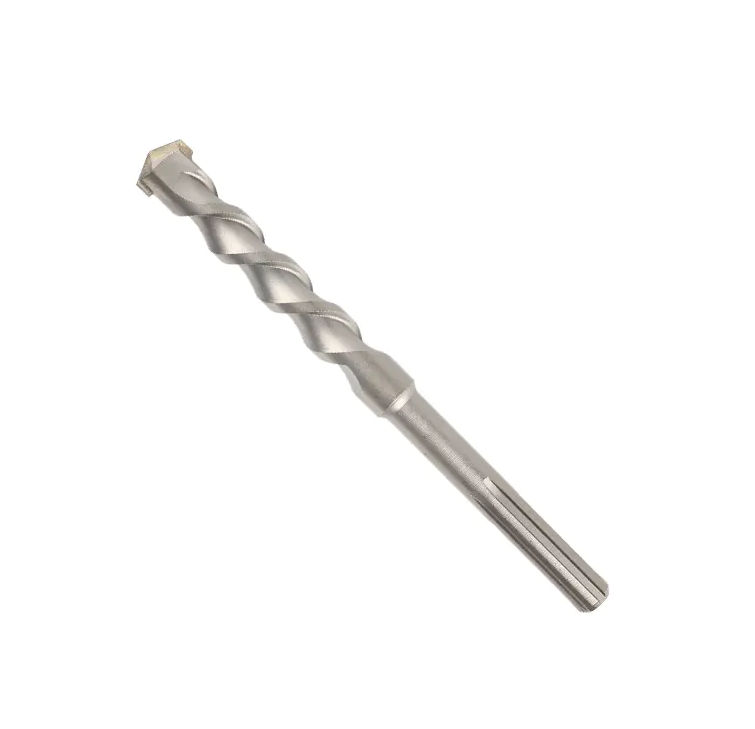
The SDS Plus Hammer Drill is a versatile tool commonly used in construction and masonry for drilling into concrete, brick, and stone. One of the most frequently asked questions by professionals and DIY users is how its performance varies under different speeds. Understanding the relationship between speed and drilling efficiency helps users optimize results, minimize wear on the tool, and achieve precise, clean holes without damaging the workpiece.
Low-Speed Performance
At low speeds, the SDS Plus Hammer Drill provides increased torque, making it ideal for drilling into dense materials such as reinforced concrete or thick masonry. Lower RPM allows the drill to apply greater force with each hammer stroke, ensuring efficient penetration even in tough surfaces. Additionally, low-speed operation reduces heat buildup, preventing premature wear on the drill bit and extending its lifespan. This speed setting is especially useful when using larger diameter bits or when precision is critical, as it minimizes the risk of bit wandering or cracking the material.
Medium-Speed Performance
Operating the drill at medium speed balances torque and speed, making it suitable for general-purpose drilling. Medium RPM provides a faster drilling rate while maintaining sufficient torque to handle moderately hard materials. This setting is often preferred for everyday construction tasks, such as drilling into brick walls, tile, or softer concrete. The combination of speed and torque ensures consistent hammering action, producing clean holes without excessive effort. Users benefit from improved efficiency while maintaining control over the tool, making medium speed a versatile choice for most projects.
High-Speed Performance
High-speed operation is best suited for lighter materials or when rapid drilling is required. At high RPM, the hammer drill generates more rotations per minute, allowing smaller diameter bits to penetrate quickly through softer concrete, wood, or masonry. However, excessive speed can reduce torque, making it difficult to drill into very dense materials. Additionally, high-speed drilling generates more heat, which can shorten the life of both the drill bit and the tool if used continuously without breaks or cooling. Therefore, high-speed performance should be applied selectively and monitored carefully to avoid overheating or bit damage.
Optimizing Drill Use
The performance of an SDS Plus Hammer Drill varies significantly across different speeds. Low speed maximizes torque for dense materials, medium speed provides balanced efficiency for general tasks, and high speed is suitable for lighter materials or rapid drilling. Understanding these differences allows users to select the appropriate speed for each application, ensuring precise, efficient, and safe drilling. Proper speed selection not only improves results but also extends the longevity of the drill and its bits.