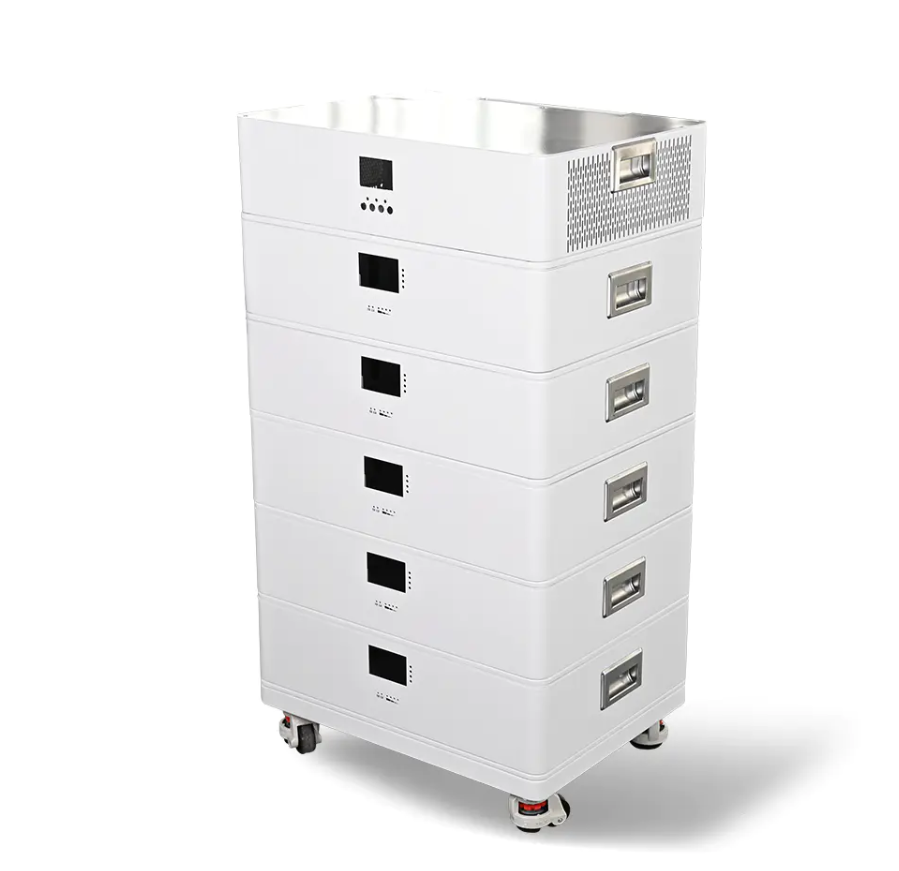
Introduction: What Is a Home Energy Storage System?
A Home Energy Storage System (HESS) is designed to store excess energy produced by renewable sources like solar panels or wind turbines. It enables homeowners to use the stored energy during periods of low production or high demand. While Home Energy Storage Systems are often seen as similar to traditional battery storage solutions, there are notable differences in their design, function, and application. These distinctions can significantly affect their performance, efficiency, and overall suitability for different use cases.
Design and Functionality Differences
Traditional battery storage systems, like lead-acid batteries or lithium-ion batteries used in off-grid applications, are primarily designed to store energy without integrating directly into a home’s power grid or renewable energy sources. These systems are often simpler, with basic charge and discharge functionality. Their primary purpose is to provide backup power during outages or to store energy for later use, without necessarily being optimized for long-term integration with renewable energy production.
In contrast, a Home Energy Storage System is specifically designed to work seamlessly with renewable energy sources, such as solar or wind. It often includes advanced features like smart energy management, monitoring software, and integration with a home's power grid. This allows the system to store excess renewable energy when generation is high (e.g., during sunny days for solar systems) and release it during peak demand or at night, thereby optimizing energy efficiency.
Capacity and Scalability
One of the key differences between Home Energy Storage Systems and traditional battery storage is capacity. Home energy systems are typically designed with larger capacities to store the significant amount of energy generated by renewable sources. For instance, solar panels can generate a considerable amount of energy during the day, and a Home Energy Storage System is built to store that excess energy for later use, ensuring that the household can continue using clean energy even when the sun isn't shining.
Traditional batteries, on the other hand, tend to have smaller capacities and are less scalable. They are generally used for backup power or small-scale energy storage needs. While some larger traditional batteries can be connected to home energy systems, they are often less efficient or more costly in comparison to purpose-built home energy storage solutions.
Efficiency and Cost
Another significant difference is the efficiency and cost of Home Energy Storage Systems. These systems are optimized for energy storage and release, with advanced battery management systems (BMS) that monitor and manage charge cycles, ensuring maximum efficiency. Home energy storage systems can also include features like time-of-use optimization, where the system releases stored energy during peak electricity rates, thus helping homeowners save on their electricity bills.
Traditional battery systems are often less efficient and more focused on basic energy storage, without the advanced management capabilities of a home energy storage system. Furthermore, while traditional batteries can be cheaper upfront, their long-term performance and cost-efficiency might not match that of a Home Energy Storage System that is integrated with renewable energy sources.
Maintenance and Lifespan
The lifespan of both Home Energy Storage Systems and traditional battery storage solutions depends on the type of battery and its usage. However, home energy systems typically include warranties and support services that cover maintenance and performance for longer periods, often ranging from 10 to 20 years, especially in the case of lithium-ion battery systems used in solar power applications.
Choosing Between Home Energy Storage and Traditional Batteries
While Home Energy Storage Systems and traditional battery storage solutions serve similar purposes—storing energy for later use—the differences between them are significant. A Home Energy Storage System is specifically designed for integration with renewable energy sources, providing more efficient energy management, greater capacity, and long-term benefits. Traditional battery storage, on the other hand, is simpler, smaller in capacity, and often used primarily for backup power.