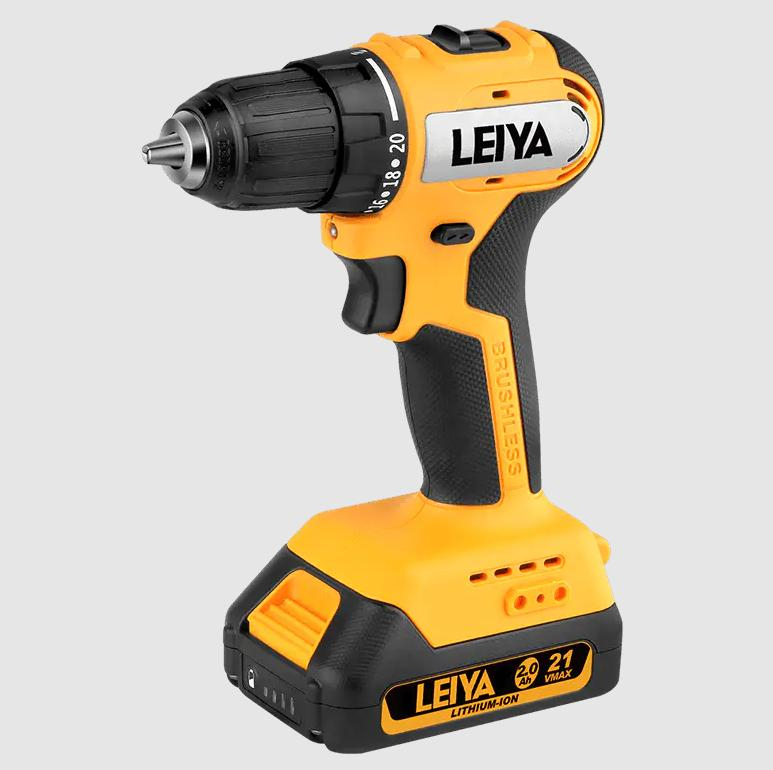
Understanding Power Drills and Their Core Functions
Power drills are essential tools designed for drilling holes and driving fasteners across a wide range of materials. They are widely used in construction, woodworking, metal fabrication, home improvement, and industrial assembly. By combining rotational force with controlled speed, these tools allow users to complete tasks more efficiently than manual alternatives.
Modern drills are designed to handle multiple applications. With interchangeable bits and adjustable speed settings, one tool can support drilling, screw driving, and even light mixing tasks. This versatility makes them a fundamental part of both professional toolkits and household workshops.
Corded and Cordless Drill Options
One of the primary choices users face is between corded and cordless designs. Corded drills provide continuous and stable power, making them ideal for extended work sessions or heavy-duty applications. They are often preferred in workshops where access to electrical outlets is reliable.
Cordless drills, on the other hand, offer mobility and convenience. Powered by rechargeable batteries, they allow users to work in confined spaces or remote locations without power constraints. Advances in battery technology have significantly improved runtime, charging speed, and overall performance, narrowing the gap between cordless and corded options.
Performance Factors: Speed, Torque, and Control
Performance is largely determined by speed and torque. Variable speed control allows precise drilling in different materials, preventing damage or bit slippage. High torque output is especially important for driving screws into dense materials or drilling through metal surfaces.
Clutch settings provide additional control by limiting torque output, which helps prevent over-tightening screws or stripping threads. These features make modern drills suitable for both delicate assembly tasks and demanding construction work.
Materials, Build Quality, and Durability
Durability is a critical factor in drill design. Quality drills use reinforced housings, metal gear assemblies, and efficient motor systems to withstand long-term use. Internal components are engineered to resist heat buildup and mechanical wear, ensuring consistent performance under load.
For industrial or professional use, drills are often tested under strict quality standards to ensure reliability. This focus on build quality reduces downtime and maintenance costs over the tool’s lifespan.
Ergonomics and User Comfort
User comfort plays a major role in productivity. Ergonomic handles, balanced weight distribution, and vibration reduction features help minimize fatigue during extended use. Rubberized grips improve control and reduce the risk of slipping, especially in demanding work environments.
Integrated LED lights are another practical feature, improving visibility in low-light conditions such as cabinets, corners, or indoor construction sites.
Safety Features and Proper Use
Safety is essential when working with rotating tools. Modern drills often include electric brakes, lock-off switches, and overload protection to reduce accident risks. Proper bit selection, secure material clamping, and protective equipment further enhance safe operation.
Training and correct usage are just as important as built-in safety features, especially in professional environments.
Maintenance and Long-Term Care
Routine maintenance helps ensure consistent performance. Cleaning ventilation openings, checking chuck tightness, and storing tools in dry conditions can significantly extend service life. For cordless models, proper battery charging and storage practices help maintain battery health.
Well-maintained tools perform more efficiently and reduce unexpected failures during critical tasks.
Customization and Industry Applications
Drills can be customized to meet specific industry requirements. Manufacturers may adjust motor power, speed ranges, or exterior design to suit woodworking, metalworking, or assembly line operations. Branding, packaging, and accessory selection can also be tailored for different markets.
This adaptability makes drills suitable for diverse applications, from DIY projects to large-scale manufacturing.
Who Uses These Tools
These tools are used by contractors, technicians, manufacturers, maintenance teams, and home users. Their adaptability and efficiency make them indispensable across industries that require precision and productivity.
Selecting a Reliable Manufacturer
Choosing a reliable manufacturer ensures consistent quality, technical support, and long-term value. Experienced suppliers invest in research, quality control, and user-focused design, helping buyers source dependable tools that meet both performance and safety expectations