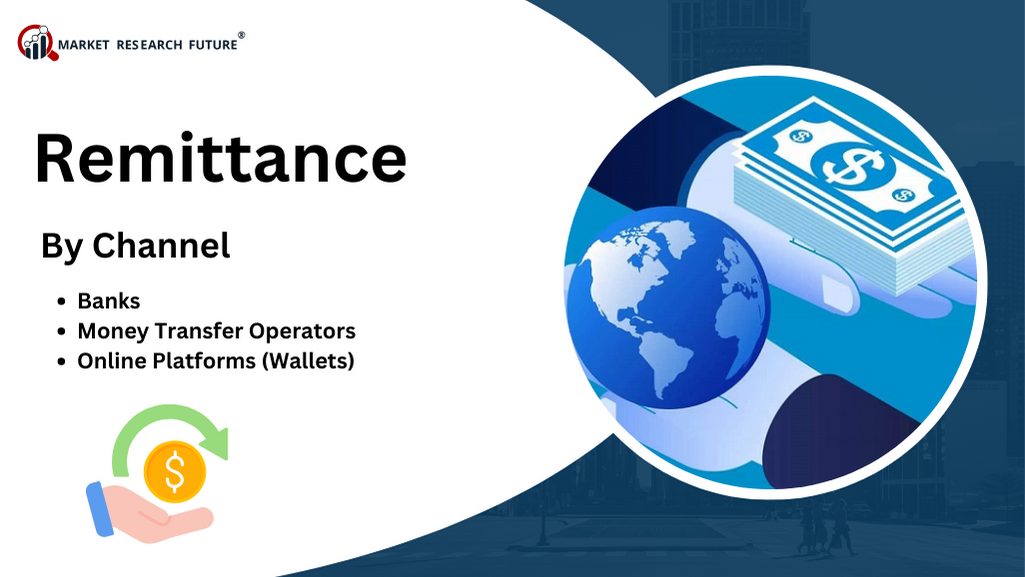
The global Remittance Industry represents a colossal and vital artery of the world economy, facilitating the cross-border transfer of funds from migrant workers to their families back home. This flow of money is not just a financial transaction; it is a critical lifeline that supports households, alleviates poverty, and drives economic development in many low- and middle-income countries. The industry is a complex ecosystem composed of traditional Money Transfer Operators (MTOs) like Western Union and MoneyGram, established banking institutions, and a burgeoning new wave of digital-first fintech disruptors. These players compete and collaborate to move hundreds of billions of dollars annually across thousands of corridors. The core function of this industry is to provide a secure, reliable, and increasingly efficient mechanism for individuals to support their loved ones across distances, making it a sector with profound social and economic significance on a global scale.
For decades, the industry was dominated by traditional players, primarily the major MTOs and banks. MTOs like Western Union, MoneyGram, and Ria built their empires on vast, global networks of physical agents, located in convenience stores, post offices, and local shops. Their business model was centered on cash-to-cash transactions, allowing senders to pay in cash and receivers to pick up cash, often in areas with limited banking infrastructure. The key strengths of this model are its unparalleled global reach and the high level of brand trust built over many years. However, this traditional approach has significant drawbacks, including notoriously high transfer fees, opaque exchange rate markups, and slower processing times. Banks also participate through international wire transfers, typically using the SWIFT network, but these are often even more expensive and slower, making them less suitable for the small, frequent payments typical of personal remittances.
The last decade has witnessed a revolutionary shift with the rise of digital disruptors. Fintech companies such as Wise (formerly TransferWise), Remitly, WorldRemit, and Xoom (a PayPal service) have entered the market with a digital-first, mobile-centric model. Their value proposition is simple and powerful: lower fees, better and more transparent exchange rates, faster transfer speeds, and superior convenience. By leveraging technology, these companies have built lean operational models that bypass much of the costly physical infrastructure and correspondent banking networks of their legacy competitors. Customers can now initiate transfers 24/7 from a smartphone app, paying with a bank account or debit card. On the receiving end, funds can be deposited directly into a bank account or a mobile money wallet, often within minutes. This focus on a seamless user experience and radical price transparency has resonated strongly with digitally-savvy migrants, allowing these disruptors to capture a significant and rapidly growing market share.
The complete remittance ecosystem extends beyond the direct service providers. Regulatory bodies at national and international levels play a crucial role, enforcing strict Anti-Money Laundering (AML) and Counter-Financing of Terrorism (CFT) rules that all players must adhere to, which adds complexity and cost. Technology enablers, such as payment gateway providers and cross-border payment infrastructure companies, provide the rails upon which digital remittances run. A particularly important set of players, especially in developing regions, are the Mobile Network Operators (MNOs). Companies like Safaricom with its M-Pesa service in Kenya have created massive mobile money ecosystems that have become a primary channel for receiving remittances in Sub-Saharan Africa. This intricate web of transfer operators, regulatory bodies, technology partners, and MNOs forms the dynamic and constantly evolving structure of the modern remittance industry.
Explore More Like This in Our Regional Reports:
US Digital Storage Devices Market Share