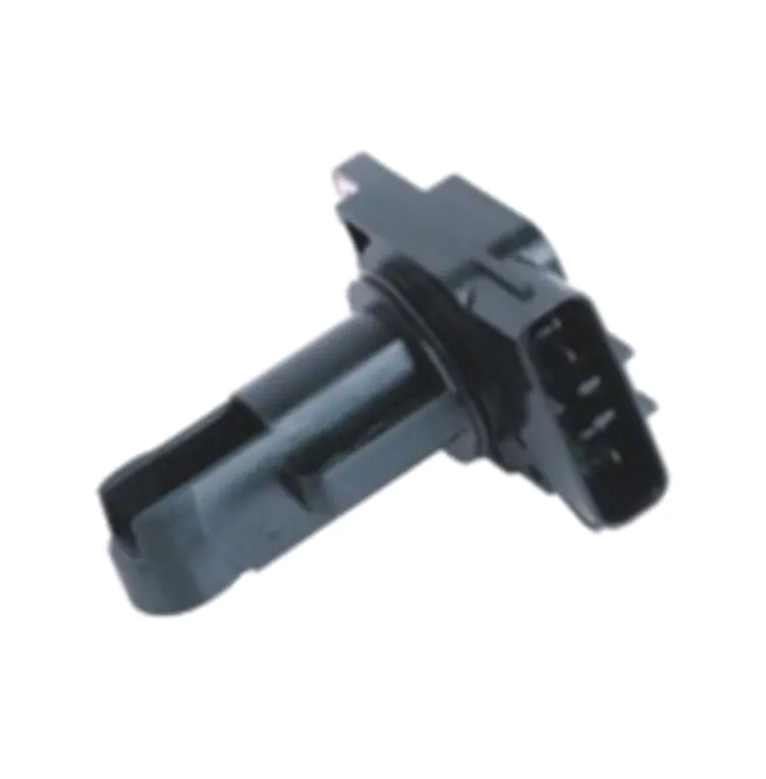
Understanding the Air Flow Meter and Its Role in Mazda Engines
An air flow meter for Mazda plays a crucial role in ensuring the engine receives the correct mixture of air and fuel. Modern engines rely on precise airflow data to calculate fuel injection, combustion timing, and emissions control. Without accurate measurements from this component, a Mazda may experience performance issues, reduced fuel efficiency, or increased emissions.
The air flow meter, sometimes called a mass air flow (MAF) sensor, sits between the air filter and the intake manifold. It measures the amount of air entering the engine so the engine control unit (ECU) can adjust fuel delivery accordingly. Because air density changes with temperature and pressure, accurate airflow data is necessary for consistent engine operation across varying conditions.
Common Signs of a Faulty Air Flow Meter
When the air flow meter begins to fail, drivers often notice a combination of drivability issues. One of the most common symptoms is a rough or unstable idle. The engine may fluctuate in RPMs at idle because the air-to-fuel ratio is no longer balanced. Hesitation or lack of power during acceleration can also occur, especially when merging or climbing hills, because the engine’s fuel management system isn’t receiving correct airflow data.
Another frequent sign is a drop in fuel economy. When the ECU receives incorrect airflow information, it may deliver too much fuel, causing the engine to run “rich.” Rich mixtures burn inefficiently, reducing mileage. Additionally, a malfunctioning air flow meter can trigger the check engine light, often leading to diagnostic trouble codes related to airflow or mixture imbalance.
Diagnosing and Testing the Sensor
Testing this component typically involves both visual inspection and electronic measurement. A technician will first check for loose connections, damaged wiring, or contaminants on the sensor element. Because dust and oil can build up on the sensing surface over time, cleaning with a proper sensor cleaner can sometimes restore performance without replacement.
Using a diagnostic scan tool, live airflow readings can be observed as the engine runs. Comparing these values to expected ranges helps determine whether the meter is functioning accurately. Some Mazda models allow live data read-outs for airflow in grams per second or similar units, making it easier to spot anomalies.
OEM vs. Aftermarket Options
When replacement is necessary, buyers must decide between OEM (original equipment manufacturer) or aftermarket versions. OEM parts are made to the carmaker’s specifications and often fit without modification, providing confidence in compatibility. Aftermarket options can offer cost savings and comparable performance, but quality varies between brands. Choosing reputable manufacturers or parts with good reviews helps ensure reliable operation.
Installation and Maintenance Tips
Installing a new air flow meter requires careful handling. Because the sensing element is delicate, touching it directly with fingers or tools can damage it. The intake system should also be checked for vacuum leaks, torn hoses, or dirty air filters, as these can mimic airflow problems or shorten sensor life.
Maintenance includes regular air filter changes and periodic sensor cleaning. Keeping the intake system clean reduces contamination and helps maintain accurate airflow readings over time.
Impact on Driving Experience
A properly functioning airflow measuring device contributes to smoother power delivery, better fuel economy, lower emissions, and responsive throttle behavior. For drivers who notice performance issues, addressing airflow sensor problems early often prevents more serious and costly engine issues.