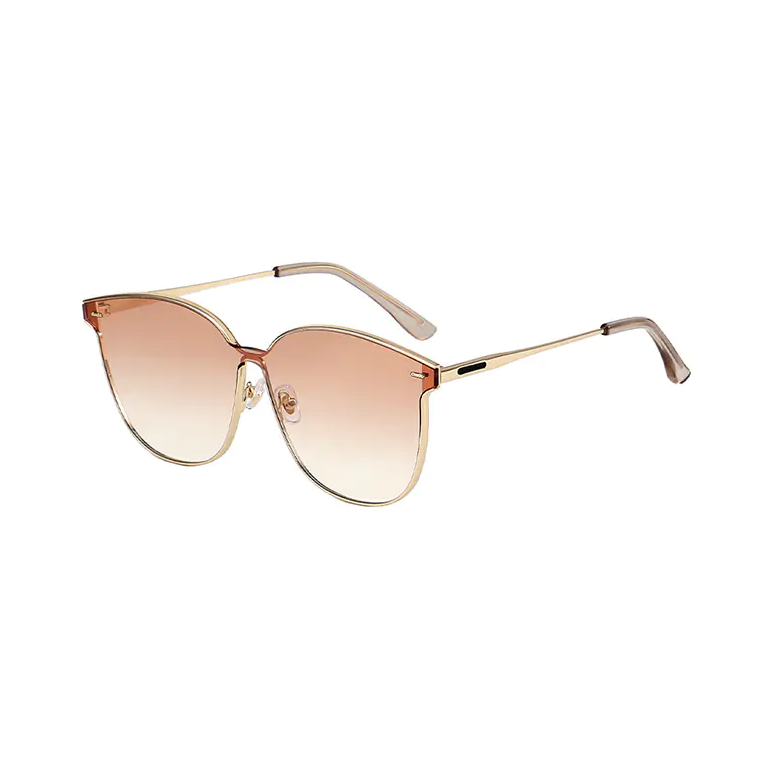
Why Unisex Sports Sunglasses Are Increasingly Popular
Unisex sports sunglasses have become a preferred choice for brands and consumers seeking versatile eyewear that performs well across a wide range of activities. Designed to suit both men and women, these sunglasses focus on universal comfort, balanced proportions, and functional performance rather than gender-specific styling. This approach allows brands to reach broader markets while simplifying product lines.
In sports and outdoor environments, performance is more important than fashion alone. Unisex designs emphasize stability, lightweight construction, and protective coverage, making them suitable for running, cycling, hiking, and other active pursuits. Their adaptability makes them ideal for both professional athletes and recreational users.
Key Design Elements for Universal Fit
A successful unisex sports sunglasses design starts with fit. Frames are engineered to accommodate a wide range of face shapes by using flexible materials and ergonomic contours. Adjustable nose pads and curved temple arms help ensure a secure fit without causing pressure points during extended wear.
Wraparound designs are commonly used to improve coverage and reduce peripheral light intrusion. This shape not only enhances visual clarity but also protects the eyes from wind, dust, and debris. Neutral frame styling and balanced proportions make these sunglasses visually appealing to all users.
Lens Technology and Visual Performance
Lens performance is a defining feature of unisex sports sunglasses. High-quality lenses enhance contrast, reduce glare, and provide clear vision in changing light conditions. Polarized lenses are especially popular because they minimize glare from reflective surfaces such as water, snow, and roads.
UV protection is essential for outdoor use. Reliable sports sunglasses block harmful ultraviolet rays, helping protect eye health during prolonged exposure. Some designs also incorporate anti-fog coatings or ventilation channels to maintain clarity during intense physical activity.
Materials Used in Sports Sunglasses
Material choice directly affects durability and comfort. Lightweight plastics such as TR90 or PC are commonly used for frames due to their flexibility and impact resistance. These materials can withstand bending and sudden impacts without breaking, making them suitable for active environments.
Lens materials are selected for clarity and strength. Polycarbonate lenses are widely used because they are shatter-resistant and lightweight. The combination of durable frames and resilient lenses ensures long-term performance under demanding conditions.
Comfort and Stability During Movement
Unisex sports sunglasses are designed to stay in place during movement. Non-slip rubber inserts on nose pads and temples help prevent slipping caused by sweat or motion. Proper weight distribution reduces fatigue, allowing users to wear the sunglasses comfortably for long periods.
Ventilation features are also important. Strategic airflow helps reduce fogging and keeps lenses clear, especially during high-intensity sports.
Applications Across Multiple Sports
These sunglasses are suitable for a wide range of activities, including cycling, running, fishing, skiing, and trail hiking. Their versatile design eliminates the need for multiple pairs of sunglasses for different sports. This practicality appeals to consumers looking for value and convenience.
Customization Opportunities for Brands
Brands working with manufacturers can customize unisex sports sunglasses through frame colors, lens options, logo placement, and packaging. Customization allows products to align with brand identity and target market preferences while maintaining functional performance.
Manufacturing and Quality Control
Manufacturing unisex sports sunglasses requires precision to ensure consistency across large production volumes. Quality control processes typically include lens testing, frame stress tests, and fit inspections. These steps help ensure reliability and user satisfaction.