Why Liner Shape Matters in Baking
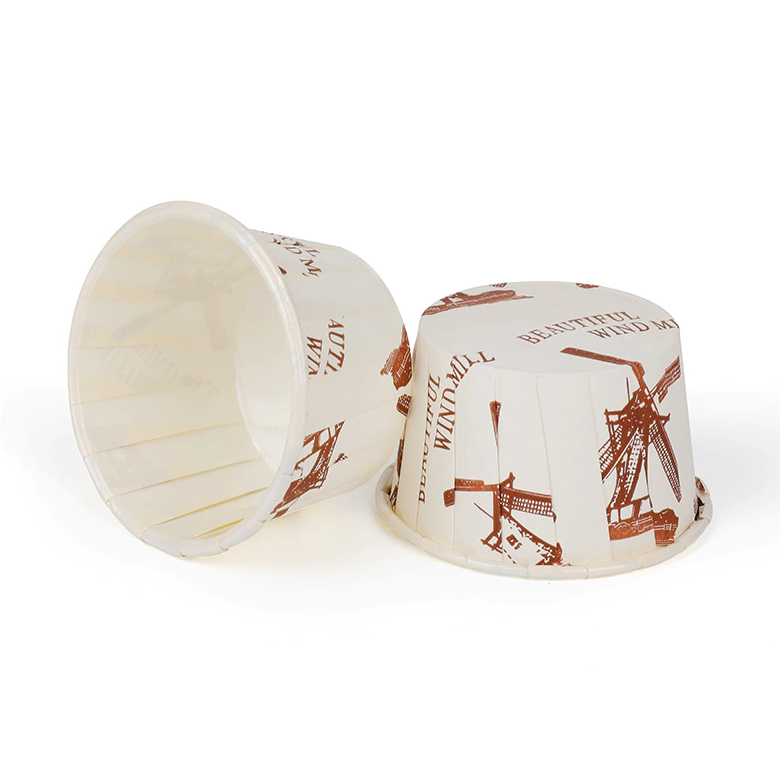
Cupcake liners play a crucial role beyond simply preventing sticking. Their ability to hold shape during baking directly affects portion control, heat distribution, and the final appearance of baked goods. Many bakers experience problems with liners collapsing, spreading, or losing definition once the batter is added and heat is applied. This has led to increased interest in Roll Mouth Baking Paper Cupcake Liners, which are often considered more stable than standard flat-edge paper liners.
Structural Features of Roll Mouth Liners
The defining characteristic of roll mouth liners is the rolled rim at the top edge. This design creates a reinforced ring that adds strength to the liner walls. Unlike flat-edge liners that rely solely on paper stiffness, the rolled rim distributes stress more evenly when batter is poured in. As a result, the liner is less likely to flare outward, wrinkle excessively, or collapse under the weight of dense mixtures.
Performance Under Heat and Moisture
During baking, liners are exposed to rising temperatures, steam, and melting fats. These factors can soften paper fibers and cause deformation. Roll mouth liners are typically made from thicker, higher-density baking paper, which helps them withstand these conditions. The reinforced rim maintains the vertical structure even as moisture and heat affect the lower sections, making them more resistant to distortion throughout the baking process.
Interaction with Baking Trays
Another factor influencing liner stability is how well it fits into baking trays. Roll mouth liners are designed to sit snugly in standard muffin and cupcake pans, with the rolled edge resting securely against the pan walls. This contact provides additional support, reducing movement and helping the liner retain its intended shape. In contrast, thinner liners may shift or fold unevenly, especially when trays are filled quickly in commercial environments.
Suitability for Different Battery Types
Different batters place different demands on liners. Light sponge batters exert minimal pressure, while thick, high-sugar, or high-fat mixtures are heavier and more likely to cause deformation. Roll mouth liners handle these variations more effectively due to their enhanced rigidity. For recipes that rise significantly during baking, the reinforced rim also helps guide expansion upward, contributing to a more uniform cupcake shape.
Visual Consistency After Baking
Consistency is essential for professional presentation. Deformed liners can make baked goods appear uneven or poorly finished, even if the recipe is executed well. Roll mouth liners tend to emerge from the oven with cleaner edges and a more uniform profile. This visual stability is particularly valuable for retail displays, events, and branded baked products where appearance influences customer perception.
Limitations and Proper Usage
While roll mouth liners are more resistant to deformation, they are not entirely immune to misuse. Overfilling, excessive moisture, or extreme baking temperatures can still affect performance. Using appropriately sized liners and following recommended fill levels ensures optimal results. Choosing liners from reliable suppliers also ensures consistent paper quality and manufacturing standards.
Are Roll Mouth Liners the Better Choice?
For bakers seeking improved stability and shape retention, roll mouth liners offer clear advantages over standard paper options. Their reinforced design and material quality make them less prone to deformation during baking, supporting both functional performance and aesthetic appeal. By understanding how design influences behavior in the oven, bakers can make informed choices that lead to better, more consistent results.