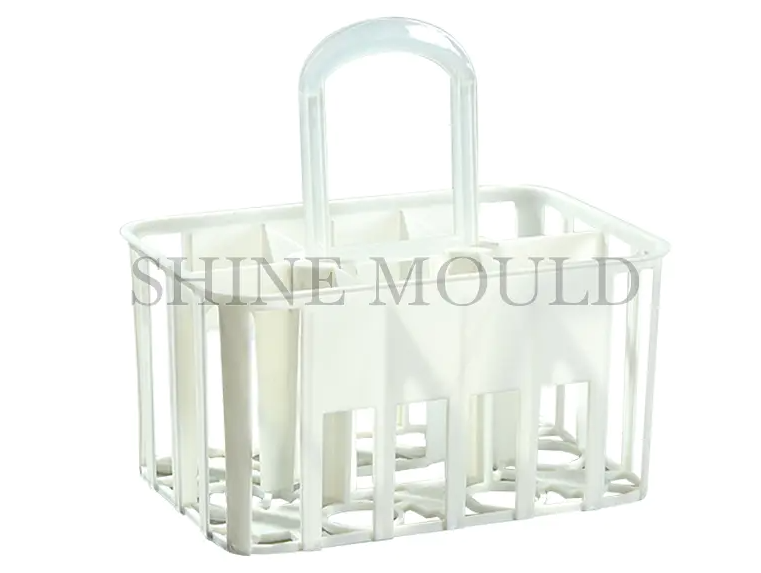
Introduction to Crate Moulds
A Crate Mould is a crucial tool in the production of plastic, wooden, or composite crates used in storage and transportation. The lifespan and durability of these moulds directly influence production efficiency, product quality, and manufacturing costs. Extended mould life reduces downtime for repairs or replacements, while improved wear resistance ensures consistent product quality over time. Understanding the factors that affect mould longevity and implementing proper maintenance techniques are key to maximizing performance.
Selecting High-Quality Materials
The first step in prolonging the service life of a crate mould is choosing the right materials. High-grade steel or alloy is commonly used for its superior hardness and resistance to wear and deformation. For certain applications, surface-hardened steel or coated metals can further enhance durability. Material selection should consider not only the expected production volume but also the type of material being molded, as abrasive resins or additives can accelerate wear. A well-chosen material foundation is essential for long-term mould reliability.
Proper Design and Fabrication
Design plays a critical role in reducing stress and wear on the crate mould. Smooth transitions, rounded corners, and uniform wall thickness help distribute forces evenly during the molding process, minimizing localized stress that can lead to cracks or erosion. Precise machining and finishing of the mould surfaces also reduce friction and abrasion during repeated use. Incorporating features like wear inserts or replaceable components can further extend the operational life of the mould, allowing worn parts to be swapped out without replacing the entire unit.
Regular Maintenance and Cleaning
Routine maintenance is essential to preserve the integrity and performance of a crate mould. Cleaning the mould after each production cycle prevents material buildup, which can cause sticking and surface damage. Lubrication of moving parts, such as ejector pins or sliding cores, reduces friction and wear. Periodic inspections to identify minor cracks, dents, or surface wear allow for timely repairs before major damage occurs. Consistent maintenance practices significantly prolong the mould’s operational lifespan and maintain product quality.
Surface Treatments and Coatings
Applying surface treatments or coatings is another effective method to enhance wear resistance. Techniques such as nitriding, chrome plating, or hardening treatments improve surface hardness and reduce abrasion. Coatings can also protect against corrosion or chemical attack from certain polymers or cleaning agents. Proper application of these treatments helps the mould withstand repetitive stress, high temperatures, and chemical exposure, ensuring long-term durability.
Extending the lifespan and wear resistance of a Crate Mould involves careful material selection, thoughtful design, routine maintenance, and protective surface treatments. By combining these strategies, manufacturers can achieve longer-lasting moulds, maintain consistent product quality, reduce production downtime, and ultimately improve cost efficiency. Proper attention to these factors ensures that crate moulds remain reliable and durable throughout high-volume manufacturing operations.