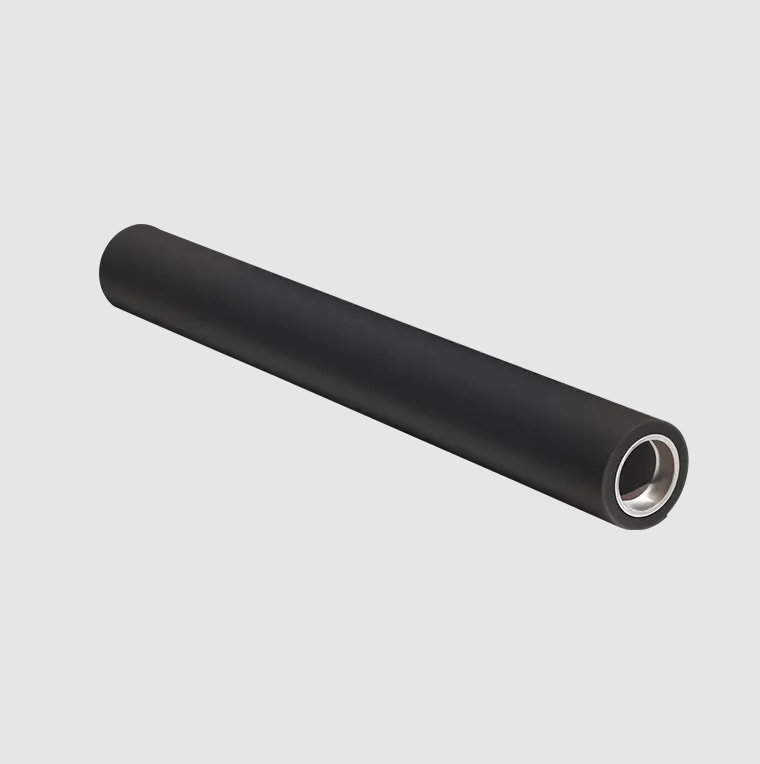
The Importance of Load-Bearing Capacity in Rubber Rollers
Rubber rollers are a key component in a wide range of industrial applications, from printing presses to manufacturing lines and conveyor systems. One of the most important factors in determining the effectiveness and longevity of a rubber roller is its load-bearing capacity. This characteristic defines how much weight or force the roller can support during its operation without compromising its performance or durability. Understanding this capacity is essential for ensuring the longevity and reliability of equipment that uses rubber rollers.
Factors Affecting the Load-Bearing Capacity of Rubber Rollers
The load-bearing capacity of a rubber roller depends on several factors, including the material composition of the rubber, the roller's diameter and width, and its internal structure. The type of rubber used—whether natural rubber, synthetic rubber, or a mixture—plays a significant role in determining the roller's ability to withstand pressure and stress.
Natural rubber is known for its high resilience and ability to absorb shock, which makes it a good choice for lighter-duty applications. However, synthetic rubbers, such as nitrile or polyurethane, can offer better resistance to wear, abrasion, and high temperatures, making them more suitable for heavier-duty applications.
The diameter and width of the roller also influence its load-bearing capacity. Larger diameter rollers tend to distribute weight more evenly across the surface area, reducing the stress on any single point. Wider rollers also have a greater surface area in contact with the material being processed, which helps distribute the load more effectively and reduces the risk of deformation or failure under heavy loads.
The Role of Internal Structure in Load Capacity
In addition to the material and dimensions of the roller, its internal structure plays a critical role in its load-bearing capacity. Many rubber rollers are reinforced with steel or other materials to improve their strength and ability to handle heavier loads. This internal reinforcement helps the roller maintain its shape and structural integrity under high pressure, preventing deformation or collapse during operation.
Some rubber rollers are designed with a solid core, while others may have a hollow core to reduce weight. The choice of internal structure depends on the specific requirements of the application. Solid-core rollers are typically used for higher load applications, as they offer greater strength and support. Hollow-core rollers, on the other hand, are lighter and are generally used for less demanding tasks.
How to Maximize Load-Bearing Capacity
To maximize the load-bearing capacity of a rubber roller, it is essential to ensure that it is correctly sized for the application. Using a roller that is too small or too weak for the task at hand can result in premature wear, deformation, or failure. It is also important to regularly inspect the roller for signs of wear or damage, as cracks, gouges, or flat spots can compromise the roller's ability to handle loads.
Proper maintenance, including lubrication and cleaning, can also help maintain the roller's load-bearing capabilities and extend its lifespan. Additionally, operators should avoid overloading the roller beyond its specified capacity to ensure optimal performance and prevent premature failure.
Understanding Rubber Roller Load-Bearing Capacity
The load-bearing capacity of a rubber roller is influenced by factors such as material composition, roller dimensions, and internal structure. By selecting the right type of rubber roller for the specific application and ensuring proper maintenance, manufacturers can maximize the roller's performance and longevity. Understanding the limits of a rubber roller’s load capacity is essential for preventing premature wear and ensuring that machinery operates efficiently and safely over time.