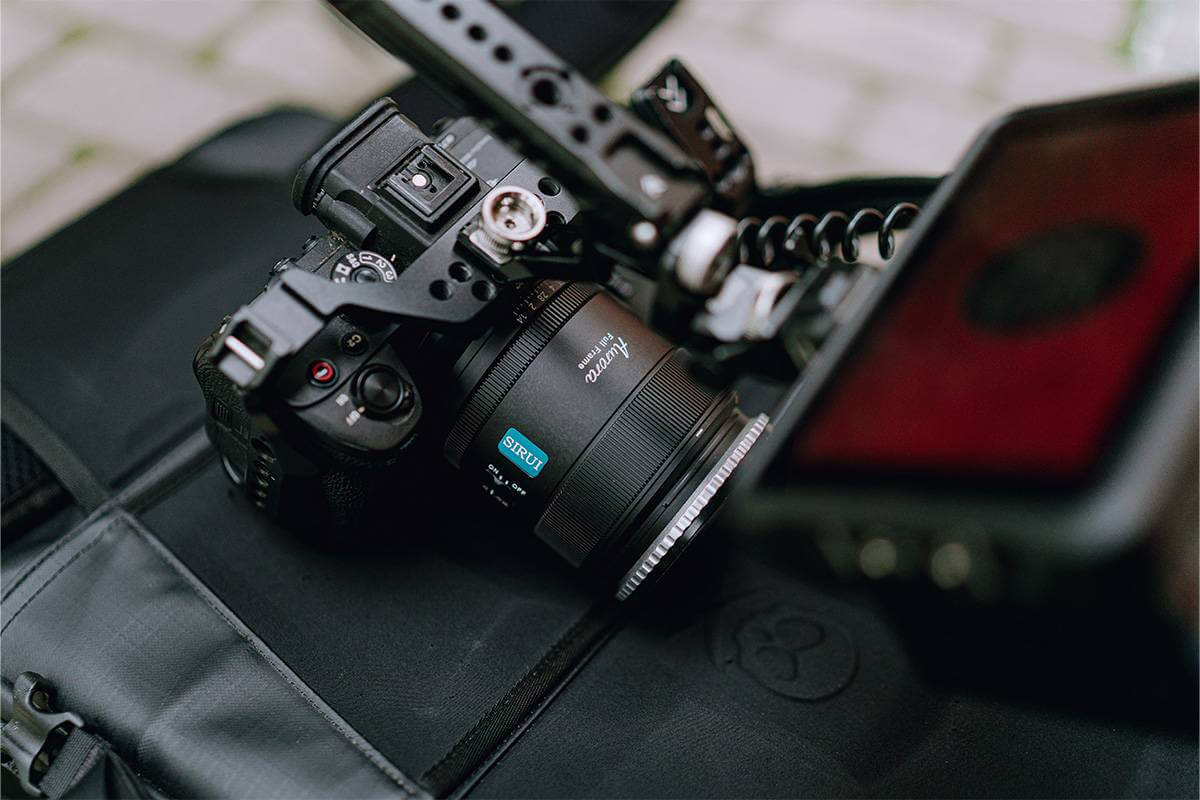
For filmmakers and videographers, understanding the tools that shape cinematic storytelling is crucial. What is anamorphic lens? This specialized lens compresses the horizontal field of view onto the camera sensor, allowing creators to capture wide, cinematic shots without losing resolution.
One of the main advantages of anamorphic lenses is their distinctive visual style. They produce characteristic horizontal lens flares, oval-shaped bokeh, and a widescreen aspect ratio that gives footage a professional, cinematic look. These unique effects help filmmakers create visuals that stand out from standard lenses.
Anamorphic lenses also provide greater compositional flexibility. By capturing more horizontally, directors can include expansive landscapes, intricate set designs, or crowded scenes in a single frame. This helps create immersive shots that draw viewers into the story. The subtle optical distortion and enhanced depth add to the cinematic feel, emphasizing subjects while maintaining engaging backgrounds.
Using anamorphic lenses requires careful attention to focus, lighting, and post-production techniques. Their design often demands specific lens mounts and editing workflows to maximize the widescreen effect and maintain image quality.
In conclusion, knowing what is anamorphic lens enables filmmakers to leverage its unique characteristics—wider framing, cinematic flares, and creative depth—to produce professional-quality, visually compelling content for modern storytelling.