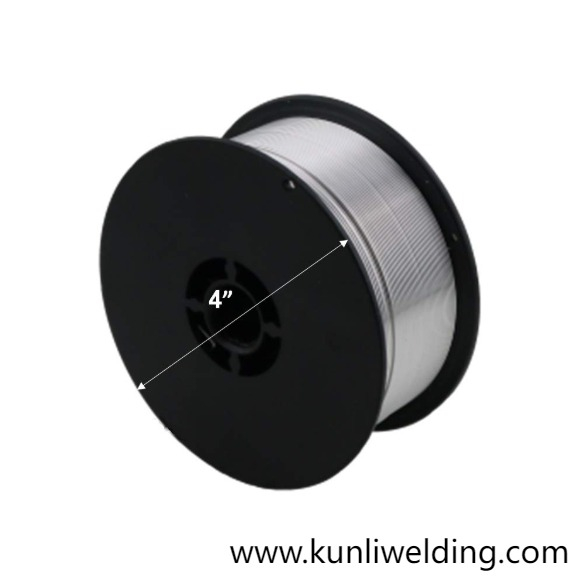
Marine environments demand materials that withstand constant exposure to saltwater and humid conditions. Fabricators building boats, dock structures, and offshore equipment rely on filler materials that provide corrosion resistance alongside mechanical strength. Kunli Aluminum Welding Wire ER5356 serves these applications through its magnesium content, which enhances durability in maritime settings where standard alloys might deteriorate rapidly under aggressive corrosive attack.
Transportation industries utilize this filler material extensively across multiple vehicle types. Truck bodies, trailers, and railcar construction benefit from welds that maintain integrity under dynamic loading and weather exposure. The combination of strength and corrosion resistance suits applications where weight reduction improves fuel efficiency without compromising structural requirements. Repair operations on transportation equipment also employ this wire when restoring damaged components to serviceable condition.
Pressure vessel fabrication represents another common application where this filler material proves valuable. Tanks storing liquids or gases require weld joints that maintain strength while resisting corrosion from contents or external environment. The magnesium alloying creates welds with good ductility and crack resistance, important characteristics for vessels experiencing thermal cycling or pressure fluctuations during service. Fabricators follow strict welding procedures to ensure pressure boundary integrity in these critical applications.
Architectural metalwork incorporates this wire for both structural and aesthetic reasons. Building facades, curtain walls, and decorative elements require welds that remain sound through years of environmental exposure while maintaining attractive appearance after finishing treatments. Anodizing compatibility makes this filler suitable for projects where color matching matters, as weld zones blend with surrounding base metal after surface treatment. The material handles well during position welding required for field installation work.
Food processing equipment and pharmaceutical manufacturing facilities choose this filler for its combination of corrosion resistance and cleanability. Tanks, piping, and processing vessels must withstand aggressive cleaning chemicals and sanitation procedures without degrading. Welds created with this material resist pitting and crevice corrosion that could harbor bacteria or compromise product purity. Regulatory compliance in these industries often specifies filler materials with proven performance in sanitary applications.
Repair work across various industries keeps this wire in constant demand. Maintenance shops servicing equipment exposed to corrosive conditions select filler materials matching original fabrication specifications. Marine vessel repairs, chemical plant maintenance, and transportation equipment refurbishment all benefit from this versatile alloy. The availability of this wire in multiple diameters accommodates different repair scenarios, from thin sheet patches to heavy structural reinforcement.
Aluminum Welding Wire ER5356 finds application in recreational equipment manufacturing as well. Pontoon boats, bicycle frames, and camping equipment utilize aluminum for weight savings and corrosion resistance. Welds must withstand outdoor exposure and occasional rough handling while maintaining structural integrity. The balance of strength and ductility prevents brittle failure modes that could create safety hazards during recreational use.
Industrial equipment operating in coastal or humid environments benefits from corrosion-resistant welding materials. Conveyor systems, material handling equipment, and processing machinery exposed to moisture or chemical vapors require welds that maintain strength while resisting environmental degradation. Maintenance intervals extend when welded joints resist corrosion that would otherwise necessitate frequent replacement or repair.
Custom fabrication shops maintain inventory of this wire to address diverse client requirements. The material's versatility across applications makes it a practical choice for operations handling varied projects. From architectural commissions to industrial repairs, fabricators appreciate filler materials that perform reliably across different base metals and service conditions.
Educational institutions teaching welding skills include this alloy in curriculum because of its widespread industrial use. Students learn proper techniques for working with magnesium-bearing aluminum while developing skills transferable to employment settings. Understanding when and how to use Aluminum Welding Wire ER5356 prepares welders for careers across multiple industries where this material remains standard specification.
The material continues serving manufacturing and repair sectors where its properties address specific performance requirements. From initial fabrication through service life maintenance, this filler material supports applications demanding reliable corrosion resistance and mechanical properties in aluminum welding operations. Welding wire products and application guidance are available at www.kunliwelding.com .