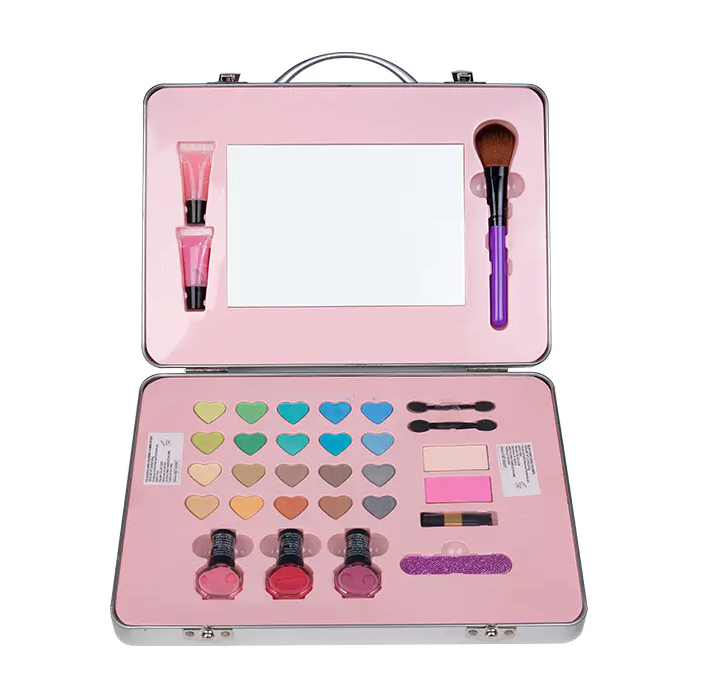
Many parents ask how regulations classify products like Cosmetic Pre-School Toy sets and Kids Cosmetics. Understanding product categories and how they’re regulated can clarify safety expectations and help caregivers make smarter choices. In many areas, a fundamental distinction exists between products regulated as toys and those regulated as cosmetics.
Cosmetics intended for application to human skin usually must follow specific safety rules, including ingredient disclosure and toxicological assessment. In contrast, toy makeup sets are often regulated under toy safety standards, which emphasize mechanical safety, size of parts, and compliance with toy-specific tests. Because of this difference, some products that look like makeup are legally not considered cosmetics at all.
Recent guidance from regulators has stressed that products containing eyeshadow, lip color, or similar items should not be used as cosmetic products unless they have passed cosmetic safety assessments. Items manufactured purely as toys may not have undergone such testing—even if packaging suggests they are “safe for kids.”
In some regions, new labeling marks have been introduced to help caregivers identify products intended for children’s skin use, though such marks do not replace full safety evaluation. Educating yourself about these standards helps you spot products that meet relevant safety expectations.
Equally important is staying aware of market trends and discussions in parenting communities. Many caregivers share questions about ingredient transparency, acceptable age ranges, and whether certain play makeup might cause allergic reactions. Learning from these conversations, combined with understanding regulation basics, promotes safer play experiences and helps caregivers advocate for clearer product information.