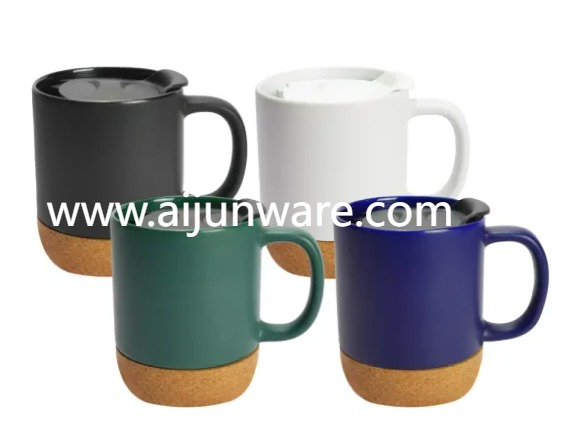
Natural materials bring warmth and functionality to everyday items but require specific care approaches. The Aijun Cork Bottom Mug combines practical insulation with an attractive base that protects surfaces from heat and prevents slipping. Understanding how to maintain this cork component ensures your mug remains both functional and visually appealing throughout years of daily use, while neglect can lead to deterioration that compromises both aesthetics and protective properties.
Cork is harvested bark with a cellular structure containing millions of tiny air pockets that make it lightweight, compressible, and naturally water resistant to a degree. However, this organic material responds differently to cleaning agents and moisture exposure than synthetic plastics or rubbers. The same cellular structure that provides cushioning and insulation can trap liquids, dirt, and bacteria if you apply inappropriate cleaning methods. Treating cork like any other mug component leads to damage that could be easily prevented with proper techniques.
Regular dry cleaning prevents most problems before they develop. After each use, wipe the cork base with a dry cloth to remove any liquid residue, coffee drips, or condensation that accumulated during your beverage consumption. This simple habit takes seconds but prevents moisture from penetrating deeper into the cork structure where it can promote mold growth or cause the material to soften and break down. Many cork maintenance issues stem from letting small amounts of liquid sit on the surface repeatedly until they work their way into the material's interior.
When the cork base requires deeper cleaning beyond dry wiping, use minimal moisture rather than soaking or submerging. Dampen a soft cloth with plain water, wring it thoroughly so it feels barely moist rather than wet, then gently wipe the cork surface. This light moisture lifts dirt and residue without saturating the material. Avoid scrubbing aggressively, as this can damage the cork's surface structure and create rough spots that trap more dirt in the future. Let the area air dry completely before using the mug again or storing it away.
Mild soap solutions work safely for stubborn stains that plain water cannot remove. Mix a few drops of gentle dish soap in water, dampen your cloth with this solution, wring it well, and apply to stained areas using light circular motions. The soap helps break down oils and organic residues without the harsh chemicals found in stronger cleaners. Rinse your cloth with clean water, wring it again, and wipe the cork to remove soap residue. This rinsing step matters because soap left in the cork can attract more dirt and create a sticky feeling over time.
Never use bleach, ammonia, or other harsh chemical cleaners on cork. These substances break down the natural waxes and resins that give cork its water resistant properties, causing the material to become brittle, crumbly, and prone to staining. Similarly, avoid alcohol based cleaners that dry out the cork and damage its cellular structure. Even natural cleaners like vinegar should be avoided or heavily diluted, as their acidity can degrade cork fibers with repeated application. When in doubt, stick with plain water or very mild soap solutions that pose minimal risk to the material.
Drying technique significantly affects cork longevity. After any cleaning involving moisture, place your mug upside down or on its side in a well ventilated area, ensuring the cork base remains exposed to air circulation. Never store a mug with a damp cork base in a closed cabinet or sealed container, as trapped moisture creates ideal conditions for mold and mildew. If you notice the cork feeling soft or spongy after cleaning, it absorbed too much water and needs extended drying time before you should use the mug again or store it.
Preventing stains proves easier than removing them once they set into cork's porous structure. Use coasters under your mug even though the cork bottom protects your furniture, because this practice also protects the cork from sitting in spilled liquids or condensation puddles on surfaces. Wipe up beverage drips from the exterior before they run down and soak into the cork. If you use your mug for beverages besides water, rinse the exterior promptly to prevent sugary or acidic liquids from contacting the cork base where they might cause discoloration or stickiness.
Conditioning cork occasionally helps maintain its suppleness and water resistance. Food grade mineral oil applied sparingly with a soft cloth penetrates the surface and replenishes natural oils that evaporate over time. Use tiny amounts, as excess oil makes the cork feel greasy and can transfer to surfaces. Rub the oil in gentle circles, let it absorb for several minutes, then buff away any excess with a clean dry cloth. This treatment once every few months keeps cork looking fresh and helps prevent drying and cracking that can occur with frequent washing.
Addressing damage promptly prevents minor issues from becoming major problems. If you notice a small stain developing, clean it immediately rather than waiting until it sets deeply into the material. Small cracks or lifting edges should be addressed by checking whether adhesive failure is allowing moisture underneath, which accelerates deterioration. Some manufacturers provide replacement cork bases for their mugs, making it possible to refresh the component rather than replacing the entire container when the cork eventually shows its age.
Temperature extremes affect cork differently than the metal or ceramic mug body. Avoid placing mugs with cork bottoms directly in dishwashers, as the combination of heat, harsh detergents, and water saturation damages cork rapidly. Similarly, don't microwave mugs with cork components or leave them in hot cars where extreme heat can dry out and shrink the material. Room temperature storage in moderate humidity conditions keeps cork stable and functional far longer than exposure to environmental extremes.
Cork's natural beauty and functionality justify the modest additional care required compared to all synthetic mug bottoms. The material provides genuine benefits in protecting surfaces, insulating against heat transfer, and creating stable non slip bases that prevent accidents. Taking a few minutes regularly to maintain your cork bottom properly ensures these benefits continue throughout the mug's lifetime, while neglect can lead to premature deterioration that forces you to replace an otherwise functional container. For mugs combining quality construction with natural cork bases designed for durability when properly maintained, explore the collection at https://www.aijunware.com/product/ where thoughtful material selection meets practical daily use requirements.