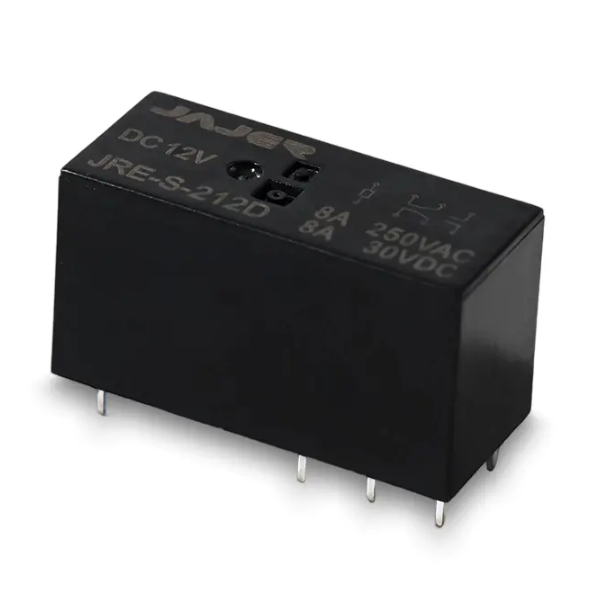
Across various engineering forums and technical discussions, users frequently ask about safety and reliability when working with DC protection and switching devices. One key topic is how to ensure that a DC overload relay and associated switching devices do not become a safety hazard in the event of fault conditions.
A major concern is the potential for arcing when relays switch DC power. Because DC current does not cross zero as AC does, arcs can persist longer and cause more contact wear or even welding of contacts. Users often ask how to mitigate this, and replies suggest arc suppression techniques like snubbers or flyback diodes for inductive loads, as well as choosing relays rated appropriately for DC switching.
Another safety issue users raise involves ensuring the protective device is placed correctly so it truly protects the equipment it is meant to guard. Improper wiring or placement can result in a situation where an overload condition does not properly interrupt current, leaving motors or power supplies vulnerable to damage. Discussions emphasize verifying wiring diagrams and conducting testing before commissioning a system.
Users also ask how to balance protection with system uptime. Some worry that overly sensitive settings on an overload device will cause nuisance trips, while others worry that thresholds set too high will allow damage before a trip occurs. The solution recommended in many discussions is understanding the load characteristics and adjusting settings based on measured operating currents and expected load behavior.
A related question involves how to incorporate relay feedback into control systems such that fault conditions are logged, alarms are triggered, and maintenance personnel are alerted promptly. Combining a DC overload relay with PLC inputs or monitoring systems is often discussed as a way to improve safety oversight and lifecycle management of equipment.
Finally, users share concerns about environmental conditions and relay longevity, such as humidity, vibration, or dust, which can affect contact corrosion and performance over time — factors that influence both daily operation and long-term safety.