Understanding the Core Mechanisms
Selecting an effective electric ear hair trimmer requires more than comparing brands and prices; it necessitates an understanding of the fundamental technology at work. The two dominant and distinct designs on the market are the rotary trimmer and the blade-type (or cutting block) trimmer. Each employs a different mechanical principle to capture and cut hair, resulting in variations in performance, sensation, and suitability for different users and hair types. Recognizing these differences is key to finding a tool that aligns with individual comfort and grooming priorities.
The Rotary Trimmer: A Spiral Approach
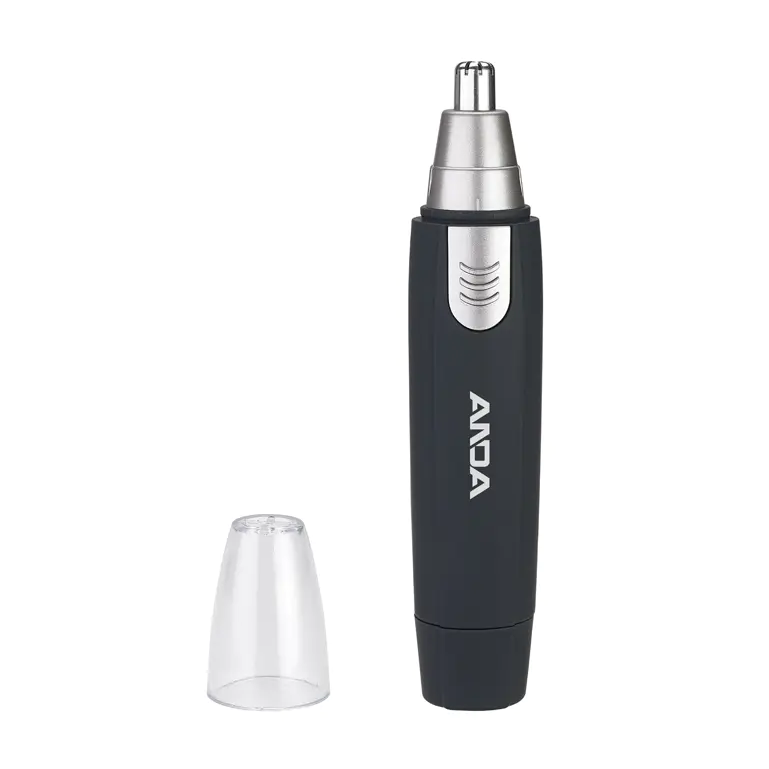
The rotary system is characterized by a single, cylindrical head. Inside a protective casing, a small, slotted metal cylinder spins at high speed. When the device is inserted into the ear canal or nasal passage, stray hairs enter these slots. The rotating motion of the inner cylinder, pressing against the stationary outer guard, shears the hairs caught in the slots.
Primary Advantages: The design is often perceived as safer for first-time users. The rounded, fully guarded head presents no exposed sharp edges, making it difficult to nick or cut the sensitive skin inside the ear. The cutting action is generally very fast, and the mechanism is typically simple and durable.
Potential Drawbacks: The efficiency of a rotary trimmer can be highly dependent on hair thickness and the angle of entry. Coarse or wiry hairs may sometimes slip through the slots without being cut, requiring multiple passes. Some users report a "tugging" sensation, particularly if the blades are not perfectly sharp or if the hair is thick. The cutting length is usually fixed, determined by the distance the slots are set from the guard.
The Blade-Type Trimmer: A Precision Scissor Action
This design more closely mimics the action of a hair clipper but on a micro scale. It features a set of tiny, sharp, reciprocating blades—often arranged in a rounded or tapered "cutting block." A small motor drives these blades to move back and forth rapidly. The cutting edges are protected by a fine, comb-like safety guard that allows hair to enter while keeping skin at a safe distance.
Primary Advantages: Blade-type trimmers are frequently cited for their precision and consistent cutting power. The scissoring action tends to cleanly slice through hairs of various thicknesses without tugging. Many models offer adjustable trimming lengths via snap-on comb attachments, providing more grooming versatility. The cutting action can feel more direct and efficient to many users.
Potential Drawbacks: Because the sharp blades are a core part of the design (albeit guarded), there is a marginally higher perceived risk if the device is used with excessive pressure or at an awkward angle. The intricate blade assembly can also be slightly more challenging to clean thoroughly than a simple rotary head, requiring careful brushing to remove all micro-hair clippings from between the teeth.
Making the Informed Choice
The choice between the two often comes down to personal preference shaped by specific needs. Individuals with very sensitive skin, coarse hair, or a strong preference for a "no-nick" guarantee may gravitate towards the enclosed safety of a rotary system. Those who prioritize maximum efficiency in a single pass, desire adjustable length settings, or have finer hair might find the blade-type trimmer more effective. Modern iterations of both styles have seen significant improvements—rotary systems now feature sharper, more precise slots, while blade systems incorporate advanced skin-safe guards and hypoallergenic materials.
Ultimately, both designs are engineered to perform the same task safely. The user's individual experience—encompassing comfort, perceived effectiveness, and ease of maintenance—will determine which mechanical philosophy delivers the optimal grooming result. Testing different models, when possible, or carefully reviewing detailed product specifications and user experiences focused on these mechanical differences, provides the best pathway to a satisfactory long-term grooming tool.