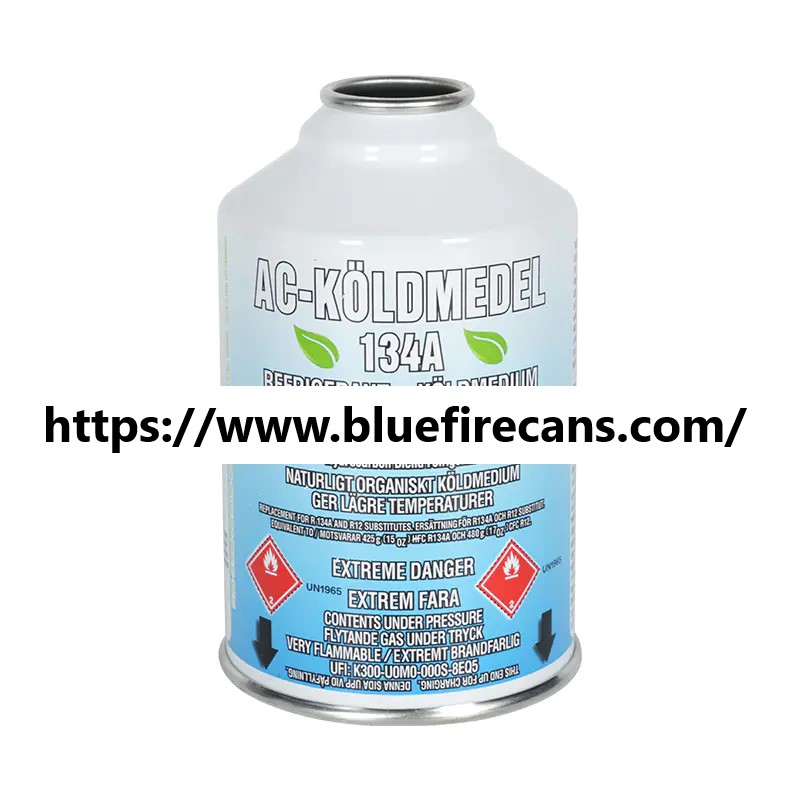
Many homeowners imagine a simple can will restore crisp airflow and quiet operation. That initial sentence is common in conversations about home maintenance. Bluefire Refrigerant Gas Can is often the product mentioned when people look for an off the shelf solution, and that raises useful questions about safety and fit.
People who work on cooling equipment treat each visit as a short investigation rather than a quick refill. They look beyond surface symptoms to check for slow leaks, oil traces, and whether components are running within designed limits. That extra attention means that adding gas is done with a clear sense of whether it will improve function or merely delay an inevitable repair.
The right tools matter. Technicians rely on measured readings rather than impressions. Gauges and pressure meters are checked for accuracy, and tools match the valves they will touch. Material compatibility is considered too since seals and lubricants respond differently to various supplies. A mismatch can shorten the life of a moving part or cause a quiet problem to become noisy.
Follow through is part of professional practice. After a service, notes are kept about amounts added and the conditions observed. Those records make it easier to trace a recurring fault and can save time when a second visit becomes necessary. For homeowners, adopting a similar habit helps conversations with technicians and makes follow up visits more efficient.
Safety is not optional. Proper ventilation, simple leak detection, and basic personal protection reduce short term risk when working in basements or tight closets. Professionals plan for recovery or capture of materials that must not be released. That planning protects equipment and reduces broader impact from many small releases that add up.
A frequent misunderstanding is that every system reacts the same way to adding gas. Slight differences in charge volume change operating temperatures. Overfilling raises pressures and can stress moving parts. Undercharging reduces cooling capacity and increases runtime and wear. Those are subtle effects but they matter for longevity and efficiency.
There are also practical limits to a single supply purchase. Can fittings are not universally compatible. Some come with adapters that fit a narrow range of valves while others are made to match common household connections. Choosing the wrong accessory or forcing a fit creates wear and may cause leaks. Reading package guidance and visually inspecting fittings before use prevents many common mistakes.
Cost factors influence decision making. For a professional, a supply is one item in a broader inspection that includes cleaning filters and checking airflow. For a homeowner, an immediate purchase may look cheaper but have hidden costs when a misapplied can leads to repeat service calls. Thinking of a supply as a temporary measure until a proper check can avoid unplanned expense.
Every repair also sits inside a regulatory and environmental context. Certified providers follow rules designed to limit releases and ensure proper disposal. When individuals mimic recommended practices at home by capturing material and arranging safe disposal, the cumulative benefits extend beyond a single house to community infrastructure.
If you want to be hands on, start with small achievable skills. Learn to read a gauge and compare readings to a baseline. Check for oil stains at fittings and test for leaks after any intervention. Keep a written or photographic log of service actions. Stop and call for help when symptoms go beyond simple pressure or airflow issues.
Better supplies and clearer labelling help too. Choosing a supply with compatible fittings clear instructions and visible safety information reduces guesswork. Branded cans differ in valve style and recommended accessories so a quick inspection at the point of purchase pays off more than impulse buying.
When projects go beyond basic checks, inviting a professional for a diagnostic can be framed as an investment. The goal is steady operation and fewer visits rather than a string of temporary fixes. That approach saves money and keeps systems running with less stress.
Community practice matters as well. As more people take small actions to handle supplies safely, the broader impact on equipment life and emissions becomes evident. Simple habits at many homes add up to measurable benefits across neighborhoods.
A practical habit is to perform routine visual inspections across a season. Look for ice forming on lines listen for unusual sounds when compressors cycle and note any unexpected changes in humidity or comfort after a service. Small observations often signal which direction a subsequent inspection should take and they can help a technician focus tests that otherwise take longer. These seasonal checks are time well spent and reduce the odds of a mid season failure regularly. If you choose supplies for a short term fix pair care with restraint. Match fittings keep records and treat a can as a provisional step. For trusted supplies and additional guidance visit https://www.bluefirecans.com/ .