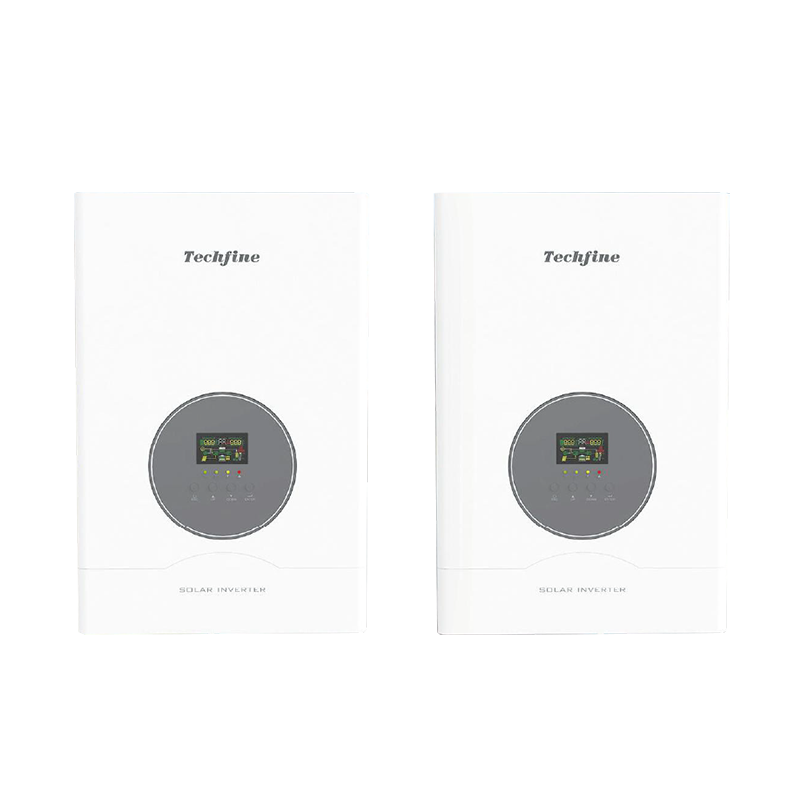
An Off-Grid Inverter is a specialized power electronic device designed to provide alternating current (AC) electricity in systems that are not connected to the public utility grid. Its primary function is to convert direct current (DC) electricity, typically stored in a battery bank charged by solar panels, wind turbines, or generators, into stable, pure sine wave AC power suitable for running standard household appliances, tools, and lighting. Unlike grid-tied inverters, an Off-Grid Inverter operates independently, forming the heart of standalone power systems for remote homes, cabins, telecommunications sites, and mobile applications where reliable grid access is unavailable or impractical.
The operational demands on an Off-Grid Inverter are significant. It must efficiently convert DC battery voltage (e.g., 12V, 24V, 48V) to standard AC output (e.g., 120V/240V, 50Hz/60Hz). A high-quality unit produces a pure sine wave output, which is essential for the safe and efficient operation of sensitive electronics, motors, and medical equipment. It incorporates a built-in battery charger that can accept power from an auxiliary AC source, like a backup generator, to recharge the batteries when renewable energy is insufficient. Furthermore, it includes critical protection features such as overload protection, short-circuit protection, and low/high battery voltage disconnect to safeguard both the inverter and the connected loads.
System sizing is crucial for reliability. The inverter's continuous and surge power ratings must exceed the total wattage of all simultaneously operated AC loads, with extra capacity for motor start-up surges. The robust design and autonomous operation of an Off-Grid Inverter make it the indispensable control center for any self-sufficient power system, enabling modern electrical conveniences in locations far from traditional infrastructure.