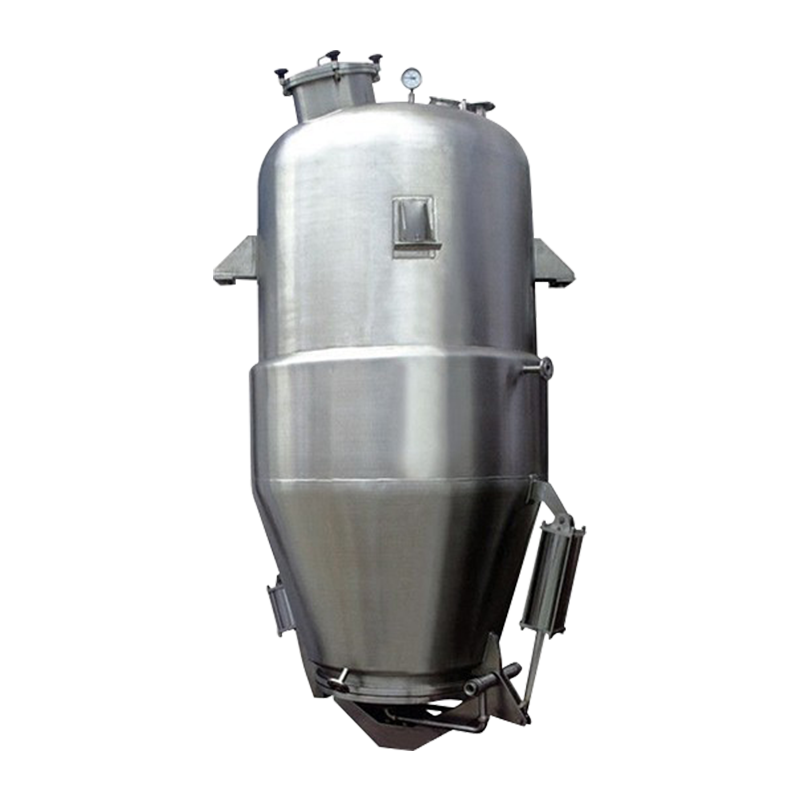
An extraction tank serves as a foundational piece of equipment in numerous sectors where the isolation of specific compounds is required. In the food and flavor industry, it is used to obtain essential oils from citrus peels, spices, and herbs, and to produce natural colorants and flavors. The beverage industry employs extraction tanks for decaffeinating coffee and tea and for producing hop extracts for beer. In these applications, food-grade solvents like water, ethanol, or supercritical CO2 (in specialized vessels) are used to ensure product safety and quality.
The pharmaceutical and nutraceutical industries rely heavily on extraction tank systems to isolate active pharmaceutical ingredients (APIs) from botanical sources, such as paclitaxel from yew trees or various alkaloids and glycosides. Here, the tanks are part of Good Manufacturing Practice (GMP)-compliant processes, requiring designs that support rigorous cleaning, validation, and documentation. The chemical industry uses these tanks for purifying intermediates, recovering catalysts, and in petrochemical processes like solvent deasphalting.
Process efficiency is paramount across all applications. Factors such as solvent choice, extraction time, temperature, and the number of extraction stages are optimized for maximum yield and purity. The spent solvent is often recovered and recycled within the process to reduce costs and environmental impact. The broad utility and process-critical nature of the extraction tank underscore its role as an enabling technology. Its design and operation are central to the economic and technical feasibility of producing a vast array of purified natural and synthetic products that define modern consumer goods, medicines, and industrial materials.