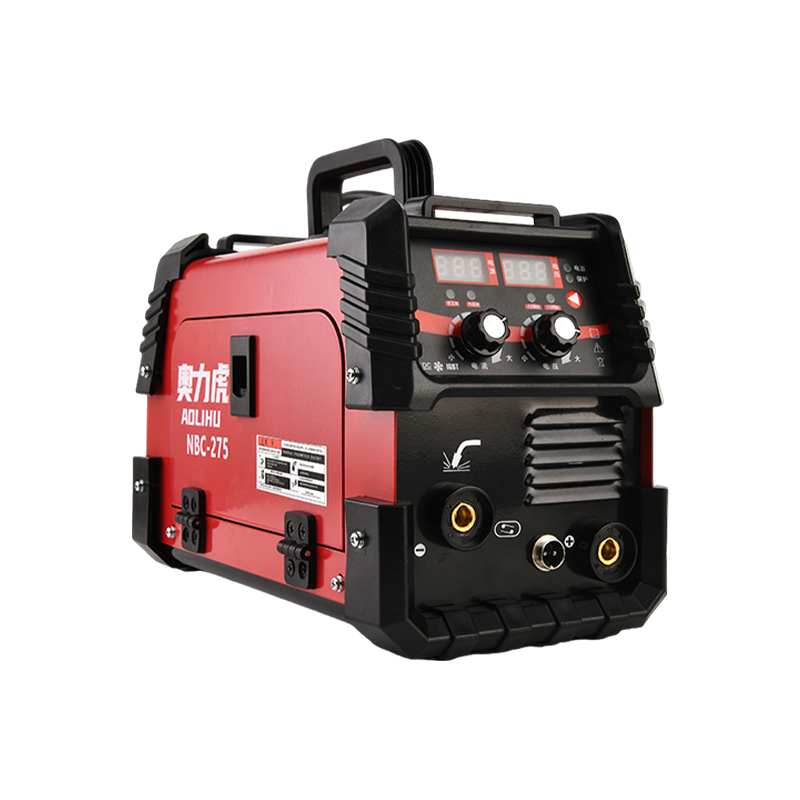
The internal technology of an electric welding machine defines its capabilities, efficiency, and suitability for different tasks. Traditional transformer-based machines use a heavy iron-core transformer to step down the high-voltage AC input to a low-voltage, high-current AC output. Some incorporate a rectifier to produce DC output. While robust, these machines are often large and less energy-efficient. The advent of inverter technology represented a major advancement. An inverter machine first rectifies AC input to DC, then uses fast-switching transistors to convert it back to high-frequency AC, which is then transformed to welding current. This allows for a much smaller, lighter transformer and provides superior control over the arc characteristics.
Beyond the primary power conversion circuit, several subsystems are critical. Control circuitry allows precise adjustment of output via dials or digital interfaces. Cooling fans and heatsinks manage the heat generated by electronic components and the transformer. Output terminals and welding cable connections must be robust to handle high currents without overheating. For wire-feed processes like MIG welding, the machine integrates a wire feeder and a solenoid valve for shielding gas. Modern digital machines may include programmable settings for different materials and joint types, and synergic controls that automatically adjust multiple parameters.
The choice between technologies involves trade-offs in portability, power requirements, arc quality, and cost. The continuous innovation in power electronics and digital controls aims to make the electric welding machine more user-friendly, energy-efficient, and adaptable. This technological evolution enhances the welder's ability to produce high-quality, consistent joints across a broader range of applications and skill levels.