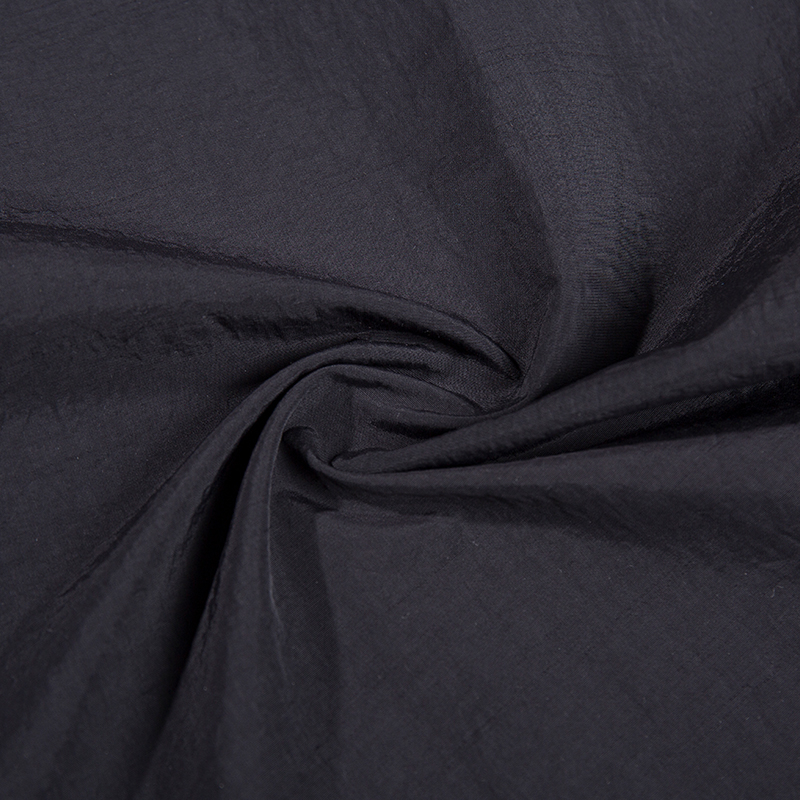
The manufacturing of Recycle Nylon is a technical process that reclaims value from nylon waste through a series of defined steps. It begins with the sourcing and aggregation of waste materials, such as post-industrial nylon carpet fluff, fabric scraps, or discarded fishing gear. These materials are rigorously sorted by nylon type (e.g., Nylon 6 or Nylon 6,6) and color to ensure a consistent feedstock. They are then cleaned to remove contaminants like dirt, metals, or other plastics. For mechanical recycling, the cleaned waste is ground into flakes, melted, filtered to remove impurities, and re-extruded into chips or directly spun into filament.
Chemical recycling offers a different route. In processes like depolymerization, nylon waste is broken down at the molecular level using heat, pressure, and chemical agents. For Nylon 6, this often means converting it back to its monomer, caprolactam. The monomer is then distilled and purified before being re-polymerized into new nylon resin. This "closed-loop" method can produce Recycle Nylon with properties that match virgin material, making it suitable for high-specification applications. Both mechanical and chemical recycling require significant energy input, but lifecycle assessments generally show a net reduction in environmental impact compared to producing virgin nylon from crude oil.
Quality control is essential to ensure the recycled polymer meets performance standards for strength, elasticity, and dyeability. The advanced chemical processes involved in producing high-grade Recycle Nylon demonstrate the potential for sophisticated waste recovery. As technologies mature and scale up, they pave the way for a more sustainable material base for countless products, reducing dependency on fossil fuels and mitigating plastic waste.