Introduction to High-Speed Wear Challenges
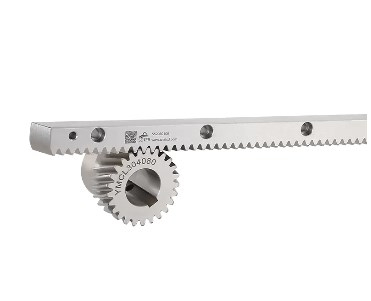
Helical Gear Racks are widely used in precision machinery, CNC systems, and automation equipment where smooth and efficient motion is required. At high speeds, these gear racks face increased friction, heat generation, and surface stress, which can accelerate wear. Controlling wear is critical for maintaining operational accuracy, reducing maintenance costs, and prolonging service life. Manufacturers, such as a Helical Gear Rack Factory, often recommend specific design and maintenance strategies to mitigate high-speed wear.
Importance of Material Selection
Material choice is a primary factor in controlling wear under high-speed operation. High-strength alloy steels, heat-treated or carburized, provide improved hardness and surface durability. Materials with uniform microstructure reduce the risk of premature pitting, micro-cracking, or abrasive wear. Selecting wear-resistant coatings or surface treatments, such as nitriding or shot peening, further enhances the load-bearing capability of the teeth and minimizes friction during rapid engagement.
Precision Manufacturing and Tooth Alignment
Accurate machining and alignment are essential for reducing wear. Helical Gear Racks with precisely cut teeth ensure smooth meshing with the pinion, minimizing localized stress concentrations that can cause accelerated abrasion. CNC-controlled grinding or hobbing allows tight tolerances in tooth spacing and helix angle. Proper installation with correct alignment also prevents uneven load distribution, which is especially important at high speeds where minor misalignment can significantly increase wear.
Lubrication and Cooling
Adequate lubrication is crucial in high-speed applications to reduce friction and dissipate heat. Selecting the right lubricant, whether oil or grease, with high load-carrying capacity and thermal stability, prevents metal-to-metal contact and minimizes surface degradation. Continuous lubrication systems or automatic oiling devices maintain a consistent lubricant film, while cooling mechanisms can reduce thermal expansion and prevent softening of the gear material, both of which contribute to lower wear rates.
Load Management and Operational Control
Wear can be further controlled by managing load and operating conditions. Avoiding sudden acceleration, shock loads, or excessive torque ensures that the stress on the gear teeth remains within safe limits. Helical Gear Racks experience distributed contact due to the helix angle, which naturally reduces instantaneous load per tooth, but careful design and controlled operation are still necessary to prevent overloading and uneven wear.
Regular Maintenance and Monitoring
Routine inspection and maintenance help identify early signs of wear, such as pitting, scoring, or backlash. Measuring gear alignment, checking lubricant quality, and monitoring operating temperature are all part of an effective maintenance program. Preventive measures, including timely replacement of worn components, ensure continued high-speed performance and reduce the risk of catastrophic failure.
Conclusion
Controlling wear in Helical Gear Racks during high-speed operation requires a combination of material optimization, precise manufacturing, proper alignment, effective lubrication, controlled loading, and regular maintenance. By implementing these strategies, manufacturers and operators can enhance the durability, performance, and reliability of high-speed rack and pinion systems. Consulting a Helical Gear Rack Factory can guide material selection, surface treatment, and design parameters for long-lasting operation.