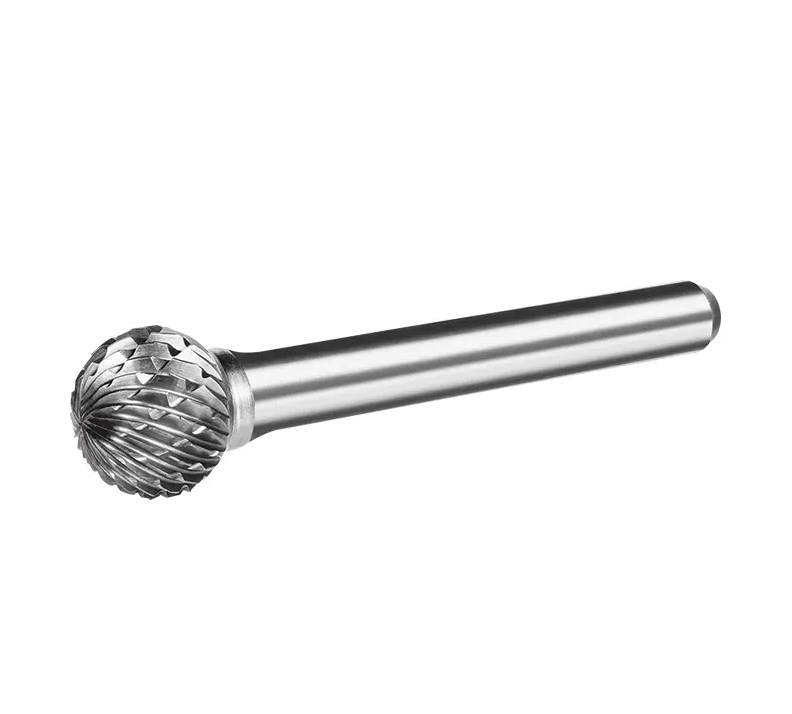
Introduction to Carbide Endmills
Carbide Endmills are essential cutting tools used in milling machines for precision metalworking and machining applications. Made from tungsten carbide, these tools offer exceptional hardness, wear resistance, and heat tolerance compared to traditional high-speed steel cutters. Carbide Endmills are widely used in industries such as aerospace, automotive, and mold-making due to their ability to maintain sharpness and accuracy even under high-speed, high-temperature conditions.
Material Advantages
The primary advantage of Carbide Endmills lies in the material itself. Tungsten carbide provides superior cutting performance, allowing for faster feed rates and longer tool life. Carbide Endmills resist deformation, chipping, and wear, making them ideal for machining hard metals like stainless steel, titanium, and hardened alloys. These properties reduce downtime from frequent tool changes and improve overall productivity in precision manufacturing.
Design and Geometry
Carbide Endmills come in various designs, including flat, ball nose, corner radius, and tapered styles. The geometry of the cutting edges, flute design, and helix angle influence performance, chip evacuation, and surface finish. Proper selection of Carbide Endmills based on material and cutting requirements ensures efficient removal of material while maintaining dimensional accuracy and high-quality surface finishes.
Cutting Performance and Efficiency
Carbide Endmills excel in high-speed machining, allowing for increased feed rates and spindle speeds. Their rigidity and hardness reduce vibration and deflection, resulting in smoother cuts and better tolerances. These endmills also handle dry and wet cutting conditions, providing flexibility in different machining environments. By optimizing cutting parameters, Carbide Endmills improve efficiency and reduce production time without sacrificing quality.
Applications in Industry
Carbide Endmills are used extensively in milling, slotting, profiling, and contouring operations. They are suitable for machining metals, composites, and certain plastics. Industries such as aerospace, automotive, and tooling rely on Carbide Endmills for creating molds, dies, and precision components. Their durability and precision make them indispensable for high-performance applications where accuracy and tool life are critical.
Maintenance and Best Practices
Proper care and maintenance enhance the performance of Carbide Endmills. Regular inspection for wear, proper storage, and correct machining speeds prevents premature failure. Using the right coolant and lubrication helps manage heat generation, extending the life of the endmill. Following manufacturer guidelines ensures optimal performance, reduces downtime, and maintains consistent cutting quality.
Conclusion
Carbide Endmills offer unmatched performance for precision machining and industrial applications. With their hardness, wear resistance, and ability to operate at high speeds, they improve efficiency, accuracy, and tool longevity. Selecting the appropriate geometry, material, and operating conditions ensures that Carbide Endmills remain a reliable and valuable asset in modern manufacturing environments.