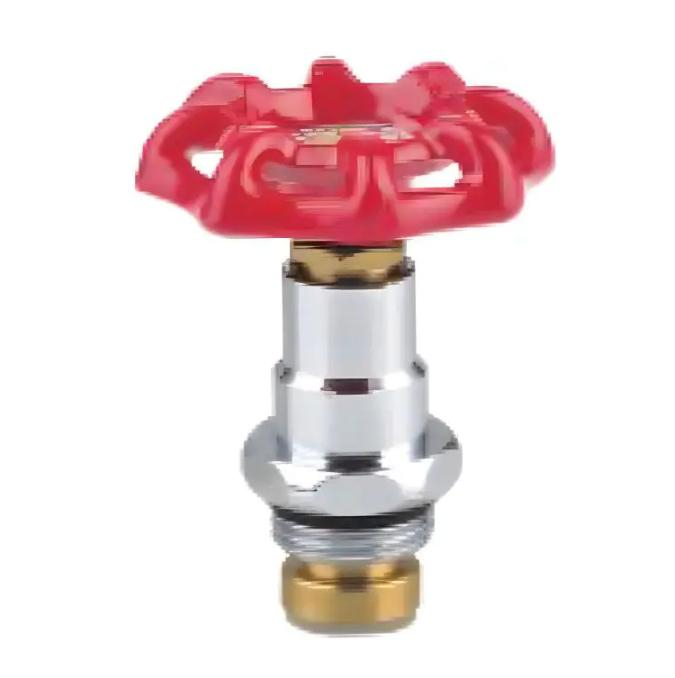
The Essential Outdoor Water Gateway
A bibcock valve, commonly known as a hose bibb or outdoor faucet, is a fundamental plumbing fixture designed to provide controlled water access on the exterior of a building. Its primary function is to serve as a dedicated connection point for a garden hose, but its role extends to being the interface between the protected interior plumbing and the variable external environment. More than just a simple on/off valve, a well-designed bibcock must address challenges like backflow prevention, freeze resistance, and durable operation under frequent use and weather exposure. Its correct selection and installation are crucial for convenient water access, water conservation, and protecting the home's main water supply from contamination or damage.
Anatomy and Operation: From Handle to Seat
The classic bibcock design features a spigot (a threaded nozzle for hose attachment) and a handwheel operating a stem assembly. Turning the handwheel clockwise rotates a threaded stem, which presses a replaceable rubber or polymer washer against a valve seat inside the body, shutting off the water flow. This simple compression washer system is effective but subject to wear, making it the most common maintenance point. Modern designs may incorporate ceramic disc cartridges for longer life and smoother operation. A critical internal feature, often mandated by plumbing codes, is an integral vacuum breaker or anti-siphon device. This is a one-way check valve that prevents contaminated water from a hose (e.g., submerged in a pool or fertilizer sprayer) from being siphoned back into the home's potable water supply if a pressure drop occurs.
The Frost-Free Innovation: A Critical Design Evolution
The standard bibcock's vulnerability is its water chamber extending outside the building's insulated envelope, making it prone to freezing and bursting. The frost-free bibcock solves this with an elongated stem design. The actual shut-off seat is located several inches inside the warm(er) space of the building wall. When the valve is closed, the water drains out of the exterior spigot section, leaving an empty cavity that cannot burst from ice expansion. To operate correctly, it must be installed with a downward pitch toward the outside to ensure complete drainage, and the hose must be disconnected after each use. This design has dramatically reduced winter pipe damage and is now considered a standard for climates with freezing temperatures.
Material Selection and Durability Factors
Given its constant exposure to the elements, material choice defines longevity. Cast brass (often with a chrome finish) is the traditional and most durable choice, offering excellent corrosion resistance and strength. Forged brass bodies provide even higher mechanical integrity. Stainless steel models are used in coastal areas for superior resistance to salt-induced corrosion. Thermoplastic bibcocks (like PVC or reinforced polymer) are a cost-effective option for mild climates but lack the durability and temperature resistance of metal. Internally, the stem is typically brass, and the washer is Buna-N rubber or a more durable EPDM compound. High-quality valves feature replaceable seat designs, allowing the worn valve seat to be repaired or replaced without changing the entire fixture.