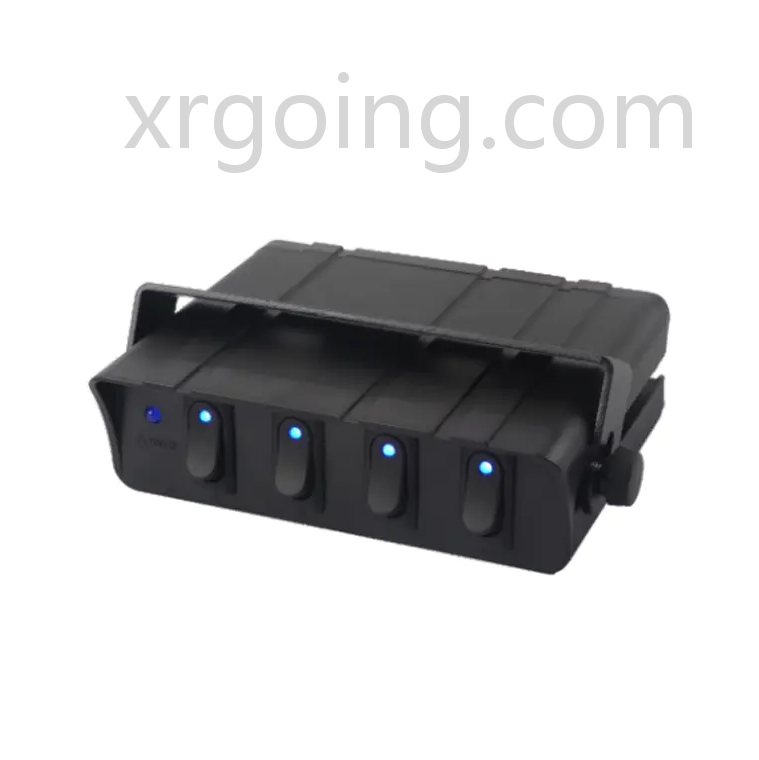
Introduction to Multiple Switch Panel Protection
In modern vehicles, marine vessels, and industrial equipment, multiple switch panels are central to controlling various electrical functions. Ensuring that these panels remain operational under harsh conditions is critical. Exposure to water, dust, and other environmental factors can damage internal circuitry, leading to system failures or safety hazards. Manufacturers have addressed this challenge by designing multiple switch panels with integrated protection features that enhance their reliability and longevity.
Waterproof Design Considerations
A quality multiple switch panel often includes waterproofing measures to prevent moisture from entering the internal components. This may involve using sealed gaskets around the panel edges, silicone coatings over electrical contacts, or fully enclosed housings that meet industry standards. Waterproof panels are particularly important in marine and outdoor applications, where splashes, rain, or accidental submersion could otherwise compromise the functionality of switches and connected systems. Properly designed panels ensure consistent operation even in challenging environments.
Dustproof Design Considerations
Dust and particulate matter can interfere with electrical contacts, leading to poor performance or complete failure of switches. To combat this, multiple switch panels incorporate dustproof features, such as tight-fitting housings, protective covers, and precision sealing. Panels rated for dust resistance allow for smooth operation in environments like construction sites, factories, or off-road vehicles, where dirt and debris are common. The combination of dustproofing and waterproofing significantly increases the panel’s durability and reliability.
Industry Standards and Ratings
Multiple switch panels designed for protection often adhere to IP (Ingress Protection) ratings. An IP rating, such as IP65 or IP67, specifies the panel’s resistance to dust and water. Higher ratings indicate greater protection, ensuring that the panel can function effectively under submersion or in environments with high particulate exposure. Understanding these ratings helps users select the right panel for their application and guarantees long-term performance under environmental stress.
Maintenance and Longevity
Even with waterproof and dustproof designs, regular maintenance is important for optimal performance. Cleaning the panel surfaces, inspecting seals for wear, and avoiding prolonged exposure to extreme conditions extend the life of the switches. Investing in high-quality panels with robust protective features reduces the risk of failures, minimizes downtime, and maintains the safety and efficiency of the electrical system.
Conclusion
Multiple switch panels that support waterproof and dustproof designs provide essential protection in challenging environments. By incorporating sealed housings, protective coatings, and adhering to industry IP standards, these panels ensure reliable operation, prevent damage from environmental factors, and extend the life of electrical systems. Choosing a well-designed, protected switch panel is crucial for durability, safety, and consistent performance across a wide range of applications.