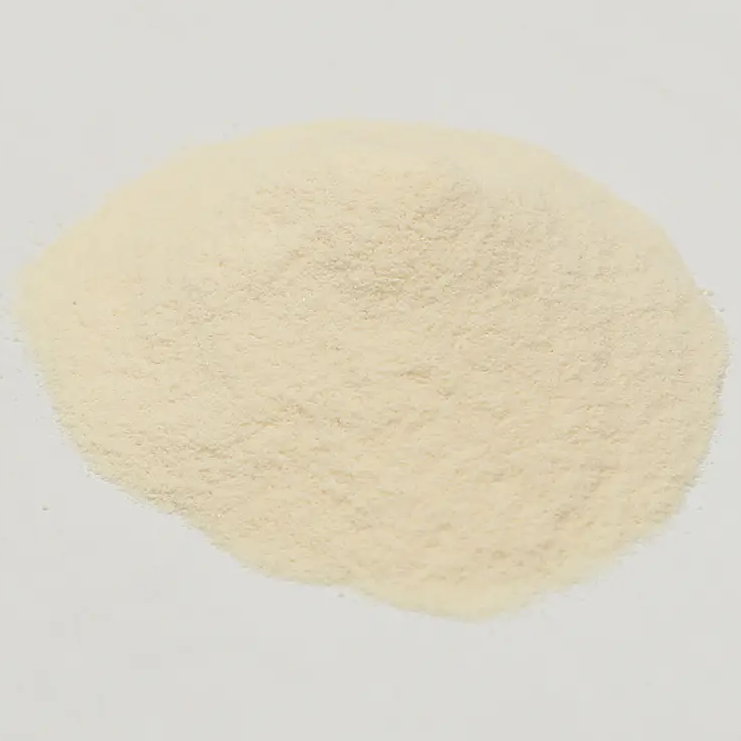
Introduction to Rubber Accelerator
A Rubber Accelerator is an essential additive in the rubber industry, primarily used to speed up the vulcanization process and improve the mechanical properties of rubber products. Determining the correct usage amount and proper ratio is critical for achieving optimal performance. Incorrect dosing can lead to under-vulcanized rubber, poor mechanical strength, or excessive crosslinking, which may compromise elasticity, durability, and overall product quality.
Factors Influencing Dosage
The dosage of a rubber accelerator depends on several factors, including the type of rubber, the specific accelerator used, and the desired properties of the final product. Natural rubber and various synthetic rubbers, such as styrene-butadiene rubber (SBR) or nitrile rubber (NBR), have different reactivities and require adjustments in accelerator concentration. Additionally, the type of vulcanizing system—whether sulfur-based, peroxide-based, or other chemical systems—also affects the recommended usage amount. Understanding these variables is key to achieving consistent and high-quality results.
Determining Proper Ratio
The proper ratio of rubber accelerator is usually expressed as a percentage of the total rubber compound. Manufacturers provide guidelines and recommended ranges based on extensive testing. For example, some accelerators are effective at very low concentrations, while others may require higher percentages to achieve the same curing rate. It is important to follow these guidelines carefully while considering the specific rubber formulation and processing conditions, such as temperature and mixing time.
Impact of Incorrect Dosage
Using too little rubber accelerator can result in slow vulcanization, weak mechanical strength, and increased production time. Conversely, excessive accelerator may cause scorching, over-curing, or poor elasticity, reducing the product's overall lifespan. Balancing the accelerator concentration ensures the rubber achieves the desired crosslink density without compromising flexibility, tensile strength, or resistance to wear and aging.
Practical Tips for Adjustment
Testing small batches before full-scale production is a common practice to fine-tune the dosage. Gradual adjustments allow manufacturers to observe the effects on curing time, hardness, and other physical properties. Documentation of these tests ensures consistency in large-scale production and reduces waste. Additionally, combining different accelerators in controlled ratios can optimize performance for specific applications, such as tires, seals, or footwear.
Determining the correct Rubber Accelerator usage and ratio is crucial for producing high-quality rubber products with optimal mechanical properties and durability. Considering factors such as rubber type, vulcanization system, and processing conditions helps achieve the right balance, while careful testing and adjustment ensure consistency and reliability. Proper management of accelerator concentration not only improves product performance but also enhances production efficiency and cost-effectiveness.
Molecular formula :[C 16 H 18 04]2 Si
Uses: This product is non-toxic and environmentally friendly. It is suitable for natural rubber and synthetic rubber, which has an obvious plasticizing effect and good dispersion function on rubber materials. The mixing time can be shortened. Speed up filler dispersion. Make it have good uniformity, and it can effectively prevent product blooming. The general dosage is 1-3 servings.