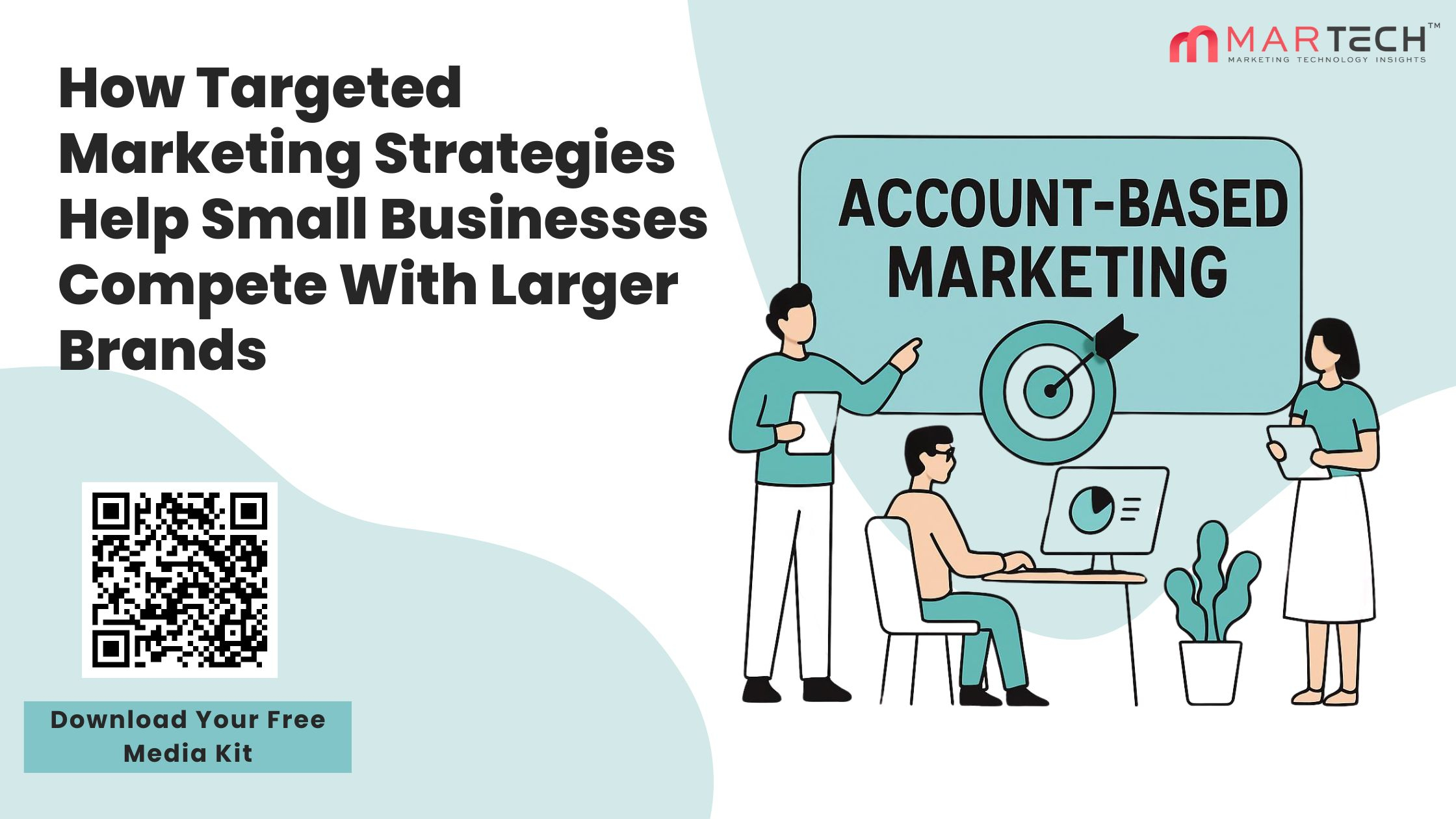
Small businesses rarely win by outspending larger competitors—but they can win by out-targeting them. In today’s data-driven marketing landscape, precision often beats scale. Targeted marketing strategies allow smaller organizations to focus resources on the right audiences, deliver highly relevant messaging, and build stronger relationships. By prioritizing relevance over reach, small businesses can compete effectively with brands that have significantly larger budgets.
Precision Targeting Maximizes Limited Resources
Large enterprises often rely on broad campaigns designed to reach massive audiences. Small businesses, however, benefit from narrowing their focus. Targeted marketing identifies specific customer segments based on industry, behavior, needs, or geographic relevance.
By concentrating efforts on high-fit prospects, smaller teams reduce wasted spend and improve conversion efficiency. Instead of marketing to everyone, they engage audiences most likely to buy. This precision ensures that every marketing dollar contributes directly to measurable outcomes.
Personalization Creates Competitive Advantage
Smaller organizations often possess a unique strength: proximity to customers. Targeted strategies allow businesses to leverage this closeness through personalized messaging and tailored experiences.
Personalized emails, localized content, and role-specific messaging help small businesses appear more attentive and relevant than larger brands using standardized communication. Customers increasingly value authenticity and relevance over brand size, giving smaller companies an opportunity to build trust faster.

Niche Expertise Builds Authority Faster
Targeted marketing enables small businesses to position themselves as specialists rather than generalists. By focusing on specific industries or problems, they can develop deeper expertise and clearer messaging.
Niche authority attracts customers seeking focused solutions rather than broad offerings. Content that directly addresses specialized challenges resonates more strongly, improving engagement and credibility. Over time, this expertise differentiates smaller brands from larger competitors trying to serve multiple markets simultaneously.
Faster Adaptation to Market Signals
Large organizations often move slowly due to complex approval processes and rigid strategies. Small businesses can use targeted marketing to adapt quickly based on feedback and performance data.
Campaign messaging, offers, or channels can be adjusted rapidly when market signals change. This agility allows smaller brands to capitalize on emerging opportunities before larger competitors respond, creating momentum despite resource constraints.
Community and Relationship Marketing Strengthen Loyalty
Targeted strategies also enable deeper community engagement. Small businesses can focus on building relationships through local engagement, social interaction, and personalized customer experiences.
These connections foster loyalty and advocacy—powerful advantages that large brands often struggle to replicate at scale. Loyal customers not only return but also recommend the business, expanding reach organically.
Measurable ROI Drives Smarter Growth
Targeted campaigns generate clearer performance insights because audiences and objectives are well defined. Small businesses can track which segments convert best and refine strategies accordingly.
This data-driven approach supports sustainable growth. Instead of guessing where to invest, businesses allocate resources based on proven results, improving marketing efficiency over time.
Implementation Checklist
Define a clear ideal customer profile and niche focus. Use behavioral and demographic data to refine targeting. Personalize messaging based on customer needs and context. Invest in channels where target audiences are most active. Continuously test and optimize campaigns using performance insights. Build community engagement to strengthen loyalty and advocacy.
Takeaway
Targeted marketing empowers small businesses to compete with larger brands by replacing scale with precision—delivering relevance, agility, and authentic connection that turn focused audiences into sustainable growth opportunities.
About Marketing Technology Insights
Marketing Technology Insights is a leading digital publication dedicated to delivering timely news, expert analysis, and in-depth insights on the global marketing technology ecosystem. The platform serves B2B marketers, CMOs, growth leaders, and GTM teams seeking clarity in an increasingly complex martech landscape.
Marketing Technology Insights helps decision-makers stay informed about how emerging technologies, data-driven strategies, and AI-powered platforms are reshaping modern marketing.
About Marketing Technology Insights Coverage
Marketing Technology Insights focuses on the technologies, platforms, and strategies that drive measurable marketing and revenue outcomes. Our editorial coverage spans the full martech lifecycle — from awareness and demand generation to pipeline acceleration and customer experience.
Our core coverage areas include:
- Marketing Technology News: Product launches, partnerships, acquisitions, and platform innovations
- B2B Marketing & GTM Strategies: Account-based marketing, revenue operations, and growth frameworks
- Data, Analytics & AI: Marketing analytics, automation, personalization, and AI-driven decisioning
- Customer Experience & Engagement: CX platforms, omnichannel marketing, and journey orchestration
- Enterprise & SaaS Marketing: Insights for mid-market and enterprise marketing leaders
Our Editorial Approach
Marketing Technology Insights combines industry reporting with practical analysis to help marketers understand what matters, why it matters, and how to act on it. Our content is designed to be actionable, credible, and relevant for real-world marketing teams.
We work closely with technology providers, marketing leaders, and industry analysts to surface insights that go beyond announcements — highlighting impact, use cases, and strategic implications.
Who We Serve
Marketing Technology Insights is trusted by:
- B2B marketers and demand generation leaders
- CMOs and marketing executives
- Revenue, growth, and GTM teams
- Martech vendors and SaaS providers
- Analysts, consultants, and industry influencers
Get in Touch
For media inquiries, press releases, or partnership opportunities:
Media Contact: Contact us
To submit news, contribute insights, or advertise with us, visit: