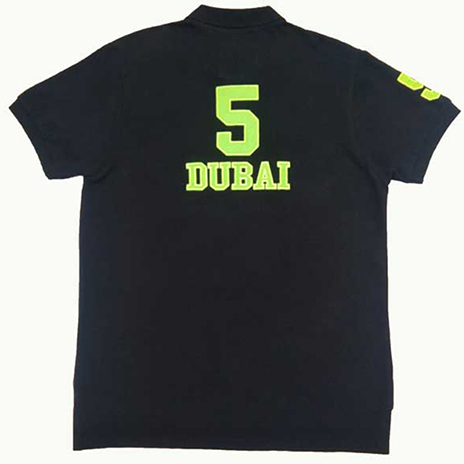
Performance apparel is undergoing a significant transformation. As lifestyles blend mobility, comfort, and technical functionality, the market has shifted from traditional cotton polos to high-performance engineered textiles designed for demanding environments. The Performance Polo—once viewed as a basic wardrobe staple—has become a specialized garment capable of moisture regulation, thermal control, UV protection, and long-duration durability.
Brands and manufacturers like XINLONG GARMENT have played a critical role in elevating the technical standard of performance polos. Leveraging advanced fabric engineering, ergonomic patternmaking, and specialized production techniques, they deliver polos that meet the evolving expectations of sports, corporate uniforming, outdoor recreation, and hospitality sectors.
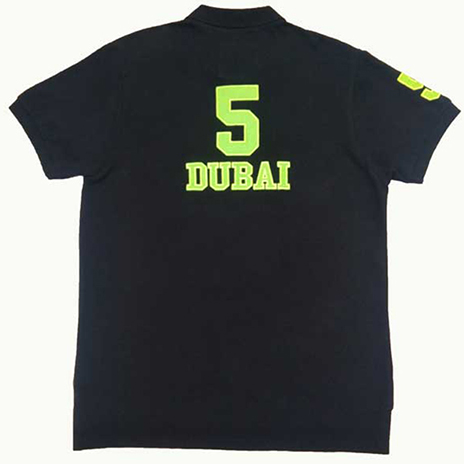
1. The Technical Evolution of Performance Polos
The modern performance polo incorporates engineered textiles and functional garment construction methods typically reserved for technical sportswear. Its primary objective is to support extended physical activity and maintain wearer comfort in dynamic workplaces or outdoor settings.
1.1 From Cotton Basics to High-Performance Blends
Traditional cotton polos are soft and breathable but struggle with sweat retention, slow drying, and deformation over time. Performance polos transition to materials such as:
polyester microfibers
nylon technical filaments
spandex/elasthane blends
recycled performance yarns
These fibers enable advanced moisture transfer, thermoregulation, colorfastness, and mechanical durability.
1.2 Moisture-Wicking and Vapor Management
Performance polos are engineered to transport moisture away from the skin using capillary action and hydrophobic fiber behavior. High-density microfilament structures accelerate evaporation, ensuring:
reduced cling
improved breathability
a consistently dry microclimate
lower risk of odor development
XINLONG GARMENT incorporates proprietary wicking treatments and cross-sectional fiber technologies to optimize vapor diffusion.
2. Fabric Engineering: The Core of Performance Apparel
What distinguishes a true performance polo is not only the fiber but the engineered knit structure, finishing processes, and mechanical properties of the fabric.
2.1 Technical Knits for Multi-Functional Stretch
Advanced knitting techniques—such as interlock, jacquard mesh, and warp-knit stretch—enable:
four-way mechanical elasticity
shape retention
enhanced airflow
improved abrasion resistance
This allows performance polos to function across athletic, corporate, and industrial use cases.
2.2 Anti-Microbial and Odor-Control Technologies
Modern work environments require polos that maintain hygiene over long wearing cycles. Finish technologies may include:
silver-ion antimicrobial treatments
botanical-based odor neutralizers
durable long-lasting anti-bacterial coatings
XINLONG GARMENT applies industry-certified anti-odor systems that retain efficacy even after repeated commercial laundering.
2.3 UV Protection and Outdoor Readiness
UPF-rated fabrics protect wearers from harmful UV radiation—critical for outdoor workers, golfers, hospitality staff, and field professionals.
3. Structural Design and Garment Construction
A performance polo’s effectiveness depends on how the panels are shaped, stitched, and assembled. Technical sewing processes ensure mobility, durability, and long-term structural integrity.
3.1 Ergonomic Patterning
Modern performance polos use 3D patterning to support natural body movement. Key design considerations include:
articulated sleeves for overhead reach
adaptive shoulder seams for reduced friction
side panel integration for ventilation
dropped hems for dynamic motion coverage
3.2 Seam Technology and Reinforcement
High-stress points—placket areas, armholes, and shoulders—require specific sewing treatments such as:
flatlock seams to reduce chafing
reinforced bartacks
twin-needle stitching for stability
stretch-thread seams compatible with athletic movement
XINLONG GARMENT maintains industrial-grade quality control, using precision-stitching equipment to ensure long-wear stability.
4. Performance Polos Across Industries: Why They Are Becoming Essential
Performance polos no longer serve only golfers and athletes. Industrial buyers and corporate apparel managers increasingly specify them for uniform programs due to their higher durability and lower lifecycle cost.
4.1 Corporate & Hospitality Uniforming
Companies are replacing traditional polos with performance-grade options because they offer:
consistent professional appearance
reduced wrinkling
faster drying after laundering
long-term color retention even under UV exposure
4.2 Athletic and Active-Lifestyle Applications
In sports environments, performance polos provide moisture control, airflow, and unrestricted range of motion—meeting the requirements of:
golf
tennis
sailing
outdoor recreation
4.3 Industrial Fieldwork
Oilfield teams, construction personnel, and logistics workers increasingly adopt performance polos for their:
sweat management
UV protection
high tear resistance
easy care and rapid drying
Conclusion
As the demand for versatile apparel grows, the Performance Polo stands out as a hybrid garment—combining athletic functionality, professional aesthetics, and long-wearing durability. Through advanced textile engineering, ergonomic construction, and quality-centric manufacturing, producers like XINLONG GARMENT are shaping the next generation of performance apparel.
The result is a product that not only looks refined but performs seamlessly from workplace environments to active outdoor conditions. In today’s fast-paced world, performance polos are no longer optional—they are essential.