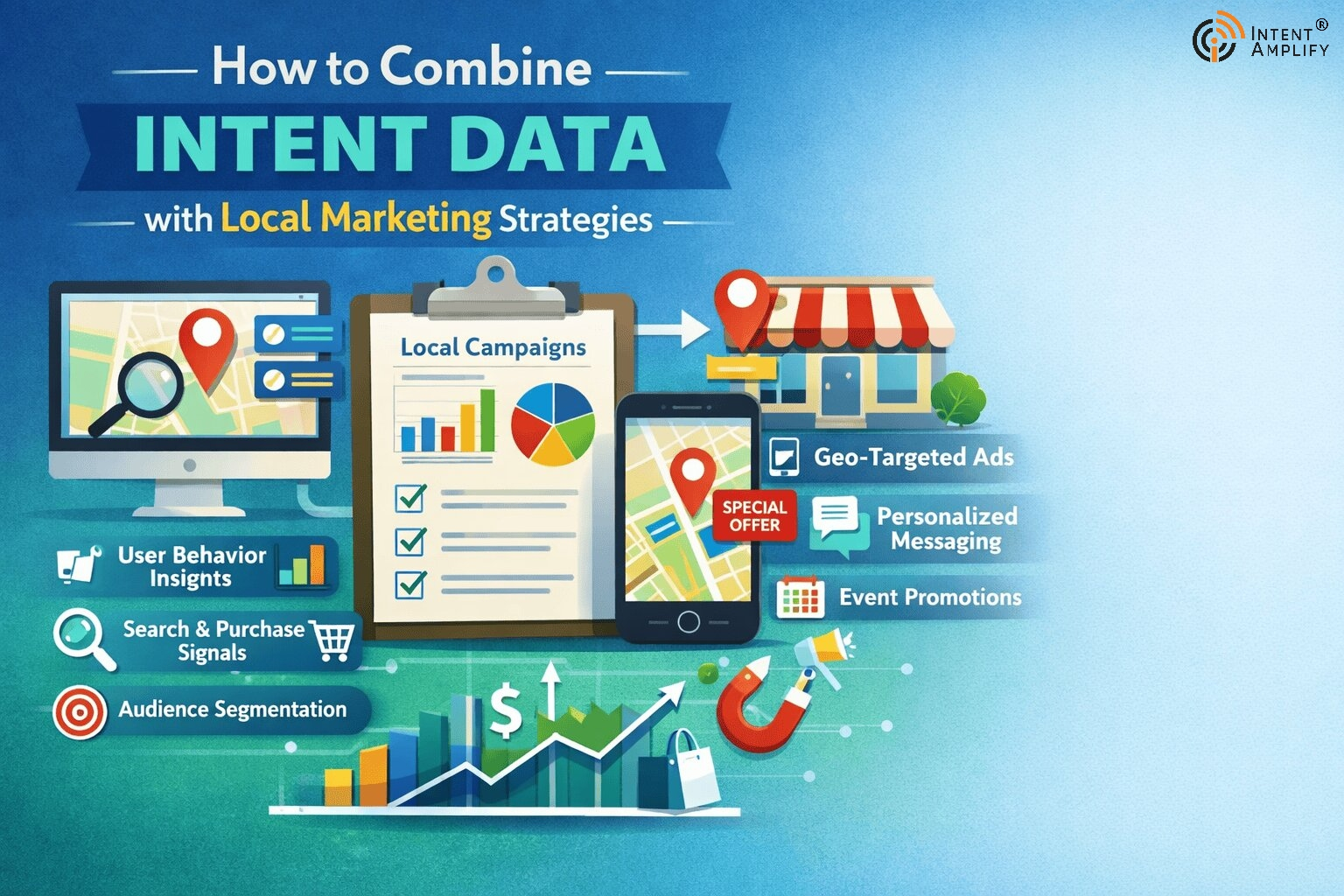
Understanding customer intent is now a key differentiator for businesses aiming to reach B2B audiences at the right moment in today’s digital marketing landscape. Traditional marketing strategies often rely on broad targeting methods that may not always capture real buyer interest. However, the use of intent data allows marketers to identify potential customers who are actively researching specific products, services, or solutions.
When combined with local marketing strategies, intent data becomes even more powerful. Businesses can identify prospects within specific regions or markets and deliver highly relevant messaging that aligns with their needs and purchasing behavior. This targeted approach enables organizations to enhance campaign efficiency, bolster brand visibility in key markets, and generate more qualified leads.
Integrating intent data with local initiatives can significantly boost engagement and conversions for companies refining their marketing strategies.
Understanding Intent Data in Modern Marketing
Intent data refers to behavioral signals that indicate a potential customer’s interest in a specific topic, service, or product. These signals are collected through various digital interactions, including online searches, content consumption, website visits, and engagement with industry publications.
By analyzing these behaviors, marketers can identify organizations or individuals who are actively researching relevant solutions.
Intent data typically helps businesses:
- Identify prospects who are currently exploring solutions.
- Understand the topics and products buyers are researching.
- Prioritize high-intent accounts for targeted outreach.
- Align marketing efforts with real-time buyer behavior.
This data-driven approach allows businesses to focus their resources on audiences that show genuine interest rather than relying solely on broad outreach campaigns.
Why Local Marketing Still Matters
While digital marketing has expanded global reach, local marketing strategies remain highly valuable for businesses targeting specific regions or industry clusters. Many purchasing decisions are influenced by local market dynamics, regional partnerships, and geographically relevant solutions.
Local marketing enables organizations to:
- Build stronger relationships with regional audiences.
- Increase brand recognition within targeted markets.
- Deliver messaging tailored to local industry needs.
- Strengthen trust through localized engagement.
By focusing on specific geographic areas, businesses can create more meaningful connections with prospects and improve marketing efficiency.
Combining Intent Data with Local Marketing
Integrating intent data with local marketing strategies allows businesses to focus on prospects who not only show interest in relevant solutions but also belong to targeted geographic regions.
This approach creates highly focused campaigns that address both buyer interest and location-based relevance.
Key ways to combine intent data with local marketing include:
Targeting High-Intent Accounts in Specific Regions
Marketers can identify companies within particular cities, regions, or markets that are actively researching certain products or services.
Delivering Localized Content
Creating region-specific articles, reports, or insights allows businesses to address the unique challenges and opportunities within each local market.
Running Geo-Targeted Digital Campaigns
Intent data can guide digital advertising and marketing campaigns toward audiences within targeted geographic areas who are already showing buying signals.
Promoting Regional Events and Webinars
Companies can invite high-intent prospects from specific regions to participate in webinars, industry discussions, or local networking opportunities.
The Role of Content and Digital Marketing
Content marketing plays a vital role in supporting intent-driven local marketing strategies. Informative articles, industry insights, and expert commentary help attract decision-makers who are actively researching relevant solutions.
When this content is distributed through strong digital marketing channels and trusted industry platforms, businesses can expand their visibility among high-intent audiences in targeted regions.
A strategic mix of search optimization, localized content distribution, and targeted campaigns ensures that marketing efforts reach the most relevant prospects.
Benefits of Integrating Intent Data with Local Strategies
Organizations that combine intent insights with localized marketing approaches can gain several important advantages.
Some of the key benefits include:
- Higher Quality Leads: Target audiences already researching related solutions
- Improved Campaign Efficiency: Focus resources on prospects most likely to convert
- Stronger Market Presence: Increase visibility within specific geographic regions
- Better Personalization: Deliver messaging aligned with both buyer intent and local context
- Enhanced Customer Engagement: Build stronger relationships with region-specific audiences
These benefits make intent-driven local marketing a powerful strategy for modern B2B organizations.
Best Practices for Implementing Intent-Based Local Marketing
To successfully integrate intent data into local marketing strategies, businesses should adopt a structured and data-driven approach.
Define Target Markets Clearly
Identify key geographic regions where your products or services have the strongest demand.
Use Data to Prioritize Accounts
Analyze intent signals to determine which organizations within those regions show active interest.
Develop Localized Content Strategies
Create content that addresses local industry trends, regulations, or challenges.
Align Sales and Marketing, Teams
Ensure both teams collaborate closely to engage high-intent prospects within targeted markets.
Measure and Optimize Campaigns
Regularly analyze campaign performance and refine strategies based on engagement data.
Conclusion
As marketing strategies become increasingly data-driven, combining intent data with local marketing strategies offers a powerful way for businesses to improve targeting, engagement, and lead generation.
By identifying prospects who are actively researching solutions and focusing on specific geographic markets, organizations can create highly relevant marketing campaigns that resonate with the right audience. This approach allows businesses to deliver personalized messaging, strengthen regional brand presence, and generate more qualified opportunities.
In a rapidly evolving digital landscape, companies that integrate intent insights with localized marketing initiatives will be better positioned to capture demand, build meaningful relationships, and achieve sustainable growth.