In today's highly competitive B2B landscape, reaching the right decision-makers at the right time is essential for successful lead generation and business growth. While many marketing strategies focus on industry targeting or company size, location-based marketing introduces another powerful dimension - geographic relevance.
Location-based marketing enables B2B organizations to deliver tailored messages and campaigns to specific regions, cities, or even business districts where their target audience operates. By combining geographic insights with digital marketing strategies, companies can better align their messaging with the needs of local markets, industry clusters, and regional business ecosystems.
For B2B brands looking to expand visibility, generate qualified leads, and strengthen relationships within key markets, location-based marketing has become an increasingly valuable strategy.
Understanding Location-Based Marketing in B2B
Location-based marketing involves using geographic data to target prospects within a specific region or location. While this strategy has long been used in consumer marketing, it is becoming increasingly relevant for B2B organizations as well.
In B2B environments, geographic targeting can help businesses connect with organizations operating in key technology hubs, healthcare clusters, financial centers, or manufacturing regions. Instead of running broad campaigns across multiple markets, companies can focus their efforts on locations where their ideal customers are concentrated.
This approach enables marketers to deliver more relevant messaging while improving campaign efficiency and engagement.
Why Location-Based Marketing Matters for B2B Brands
Geographic targeting offers several advantages for B2B organizations aiming to strengthen their marketing impact.
Some of the key benefits include:
- More Relevant Messaging: Campaigns can address region-specific challenges, regulations, or market trends.
- Improved Lead Quality: Targeting locations with high industry concentration increases the likelihood of reaching qualified prospects.
- Better Event and Webinar Promotion: Localized marketing helps promote regional conferences, virtual events, and networking opportunities.
- Enhanced Brand Visibility: Businesses can build stronger recognition within specific industry communities or business hubs.
By focusing on the right geographic markets, companies can allocate their marketing resources more efficiently while generating higher-value engagement.
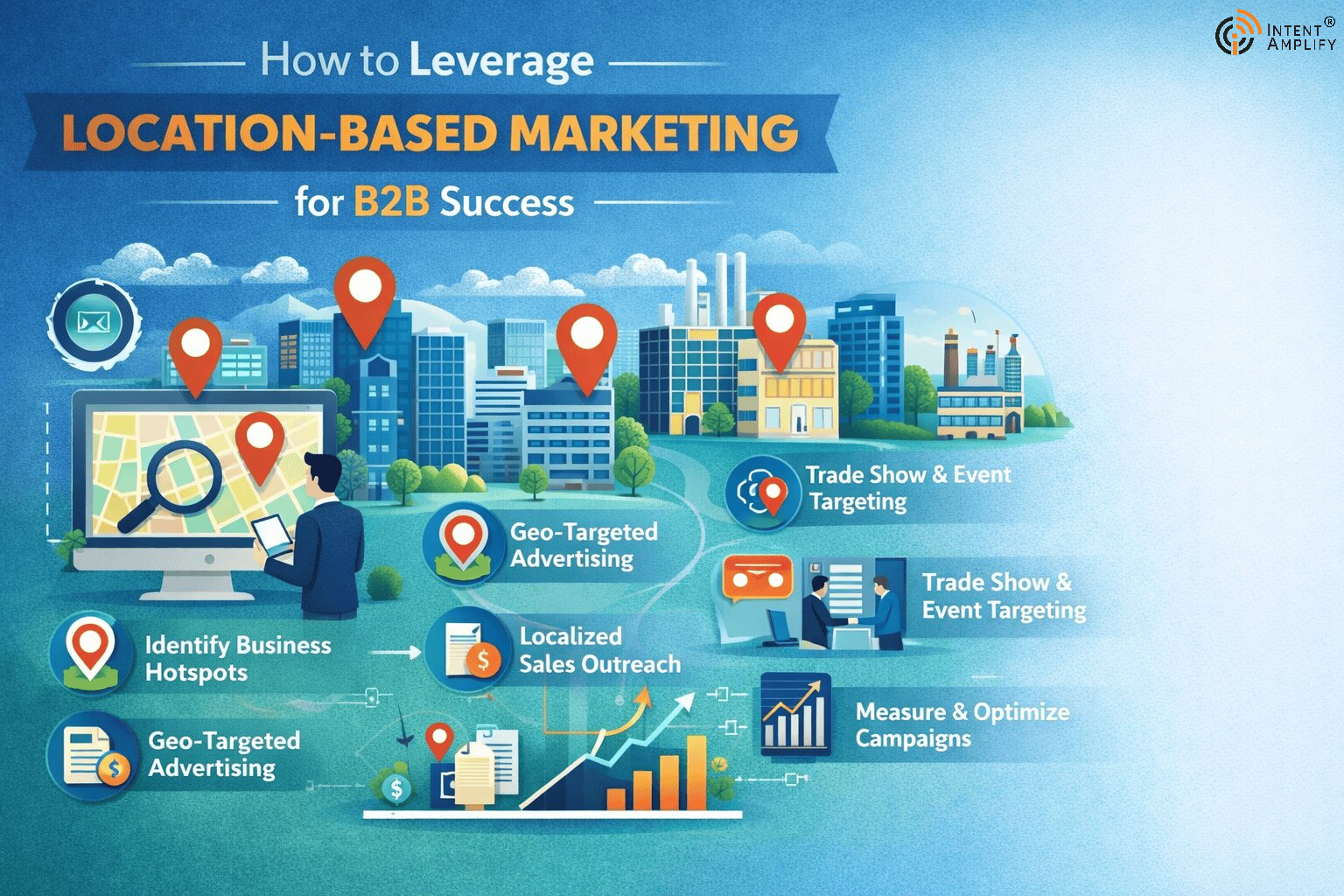
Key Strategies to Implement Location-Based B2B Marketing
Successfully leveraging location-based marketing requires a thoughtful combination of data insights, content strategy, and digital marketing execution.
- Identify High-Value Geographic Markets
Start by analyzing where your target audience is most active. Industry clusters, innovation hubs, and business districts often provide ideal opportunities for focused marketing campaigns.
- Localize Content for Target Regions
Content marketing plays a major role in geographic targeting. Creating articles, reports, or industry insights that highlight regional trends can attract professionals operating within specific markets.
For example, a technology-focused publication might publish content exploring digital transformation trends within key regional healthcare ecosystems or emerging technology hubs.
- Use Geo-Targeted Digital Advertising
Digital marketing platforms allow companies to run highly targeted campaigns based on geographic locations. These campaigns can include search advertising, display campaigns, and social media promotions focused on specific regions.
- Promote Regional Events and Webinars
Location-based strategies are particularly effective for promoting industry events, conferences, and virtual webinars that target professionals within certain markets.
Businesses can leverage digital channels to invite audiences from specific cities or regions where interest in a particular topic is strongest.
- Partner with Industry Platforms and Media Networks
Collaborating with established B2B media platforms and specialized marketing networks can help organizations expand their reach within specific professional communities and geographic markets.
These partnerships enable brands to distribute thought leadership content, sponsored articles, and industry insights to highly targeted audiences.
Integrating Location-Based Marketing with Digital and Content Strategies
Location-based marketing becomes even more powerful when integrated with broader digital marketing and content marketing strategies. Combining geographic targeting with valuable industry insights allows organizations to attract and engage audiences that are already exploring relevant business solutions.
For example, companies can publish region-specific thought leadership articles, industry analysis, and expert commentary while supporting these efforts with targeted digital promotion.
This approach not only improves visibility within key markets but also strengthens brand authority among decision-makers operating in those regions.
Best Practices for Effective Location-Based B2B Campaigns
To maximize results, businesses should follow several best practices when implementing location-based marketing strategies.
Leverage Data Insights
Use analytics and market research to identify geographic regions with high concentrations of target industries.
Focus on Relevant Messaging
Ensure campaigns address challenges and opportunities specific to the targeted region.
Combine Multiple Marketing Channels
Integrate search marketing, content distribution, email campaigns, and digital advertising to reach prospects across various touchpoints.
Monitor and Optimize Campaign Performance
Track engagement metrics, lead quality, and conversion rates to continuously refine geographic targeting strategies.
Conclusion
Location-based marketing offers B2B organizations a powerful opportunity to connect with high-value audiences in the markets where they operate. By leveraging geographic insights alongside digital marketing and content strategies, companies can deliver more relevant messaging, improve campaign targeting, and generate stronger engagement from decision-makers.
As competition continues to grow across industries, businesses that adopt data-driven, location-focused marketing approaches will be better positioned to build meaningful connections with their target audiences and drive sustainable growth.
When executed effectively, location-based marketing not only enhances visibility within key markets but also strengthens brand authority and lead generation efforts across the B2B ecosystem.