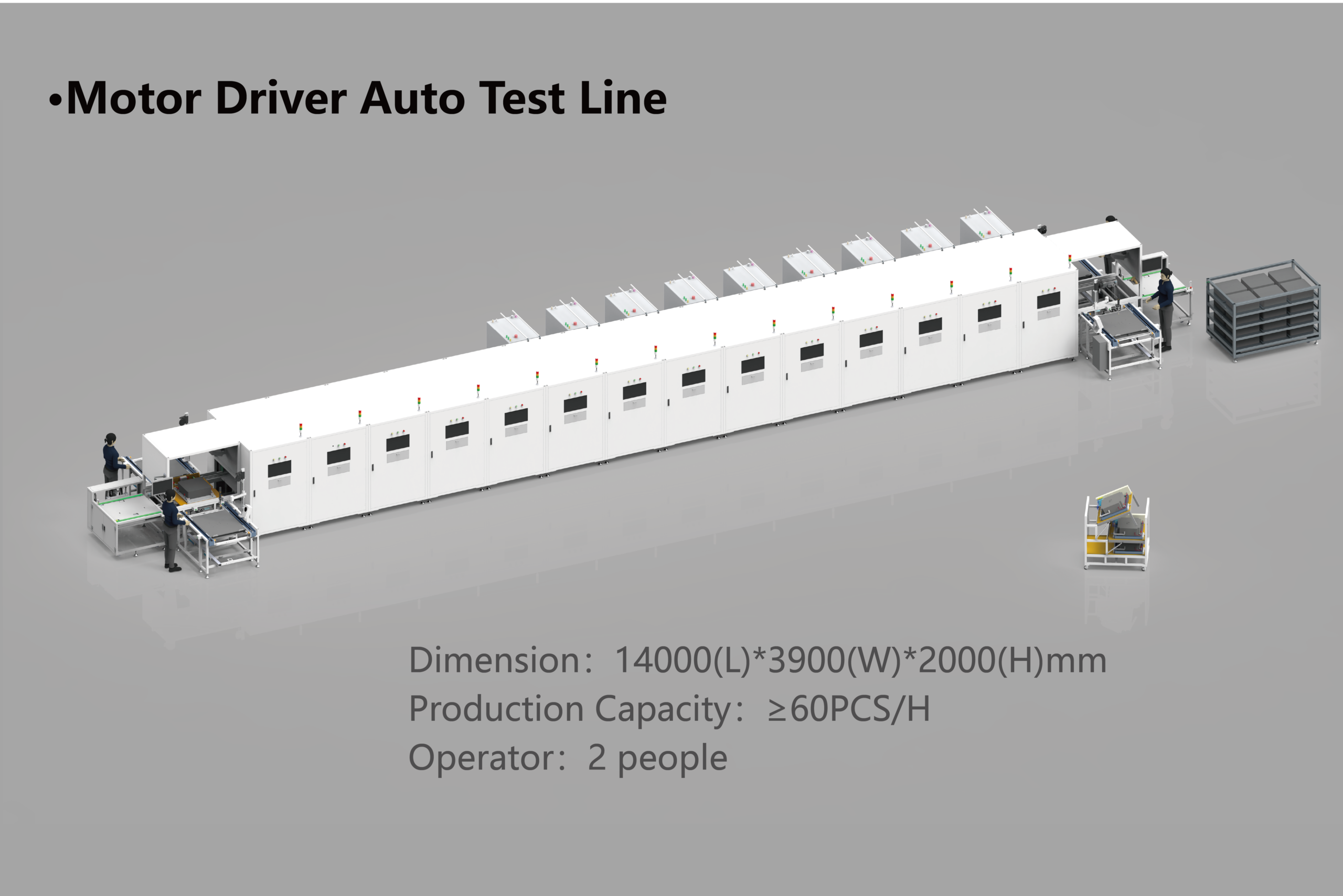
Manufacturing automation is reshaping industrial production through robotics, intelligent systems, and integrated software. Businesses are adopting manufacturing automation to improve efficiency, reduce costs, and maintain consistent product quality.
Understanding the Basics of Manufacturing Automation
Manufacturing automation refers to the use of advanced technologies such as robotics, sensors, software, and automated machinery to control and optimize production processes with minimal human intervention. These systems manage tasks like assembly, inspection, packaging, and material handling automatically, allowing factories to operate more efficiently and consistently.
In modern factories, manufacturing automation often integrates multiple technologies such as programmable logic controllers (PLCs), IoT sensors, and manufacturing execution systems (MES). These systems coordinate production lines and monitor equipment in real time to ensure that every stage of the manufacturing process operates smoothly.
Why Manufacturing Automation Is Essential for Modern Industry
Global competition has pushed companies to adopt manufacturing automation to maintain productivity and quality. Automated production lines can run faster than manual operations while minimizing human error. This allows companies to increase output while maintaining consistent product standards.
Another important advantage of manufacturing automation is its ability to reduce downtime. Automated monitoring systems detect potential equipment failures early, enabling maintenance teams to fix issues before they interrupt production. In many industries, automation has become the backbone of efficient operations and scalable manufacturing.
Core Technologies Behind Manufacturing Automation
Several key technologies power modern manufacturing automation systems. Industrial robots, smart sensors, and automated conveyor systems are commonly used to move materials and perform repetitive tasks with precision. Modern robotics systems can also adapt to changing production needs through intelligent control and data analysis.
Another important component of manufacturing automation is machine tending. In automated machine tending systems, robots load and unload materials, inspect parts, and even perform finishing operations such as cleaning or packaging. These systems increase productivity, reduce labor costs, and improve workplace safety.
The Role of Data and Smart Systems in Manufacturing Automation
Today’s factories are becoming smarter thanks to digital integration. Modern manufacturing automation relies heavily on data collected from sensors, production machines, and enterprise systems. These data streams allow engineers to monitor operations, optimize workflows, and predict maintenance needs.
Automation platforms can simulate real production scenarios and test different system configurations before deployment. By automating testing and validation processes, companies can ensure that production software and equipment function reliably across complex manufacturing environments.
Benefits of Implementing Manufacturing Automation
Companies that adopt manufacturing automation gain several strategic advantages. First, automation significantly increases production speed while maintaining high accuracy. Automated systems operate continuously and can run around the clock without fatigue.
Second, manufacturing automation improves product quality by ensuring consistent processes and reducing human error. Automated inspection systems detect defects earlier in the production cycle, helping manufacturers reduce waste and rework.
Finally, manufacturing automation enhances workplace safety. Robots and automated machines can perform hazardous tasks, protecting workers from exposure to dangerous environments or repetitive strain injuries.
Advanced Concepts in Manufacturing Automation
One of the most ambitious concepts within manufacturing automation is the “lights-out factory.” In these highly automated facilities, production processes operate with little or no human presence. Materials enter the system, and finished products are produced automatically through integrated robotic systems.
Another emerging concept is adaptive manufacturing systems. These systems automatically adjust production parameters based on product specifications, allowing factories to produce customized goods without extensive reconfiguration. This flexibility is becoming increasingly important in industries where product variety and rapid innovation are essential.
Challenges Companies Face with Manufacturing Automation
Despite its advantages, implementing manufacturing automation can present challenges. Initial investment costs for robotics, control systems, and integration can be significant. Companies must carefully plan their automation strategies to ensure a strong return on investment.
Another challenge in manufacturing automation is system integration. Modern factories often combine legacy equipment with new automation technologies, requiring specialized expertise to ensure that machines, software, and communication protocols work together effectively.
Additionally, workforce training is essential. Employees must learn how to operate, maintain, and troubleshoot automated systems to maximize their benefits.
The Future of Manufacturing Automation
Looking ahead, manufacturing automation will continue to evolve with advances in artificial intelligence, machine learning, and industrial IoT. These technologies enable factories to become more intelligent and responsive, allowing production systems to optimize themselves in real time.
As Industry 4.0 technologies mature, manufacturing automation will likely become even more interconnected. Smart factories will integrate data from design, production, and supply chains to create highly efficient and adaptive manufacturing ecosystems.
Final Thoughts on Manufacturing Automation
In today’s competitive industrial landscape, manufacturing automation is no longer optional—it is essential. Companies that invest in automation gain improved efficiency, higher product quality, and greater operational flexibility.
From robotic assembly lines to intelligent data-driven factories, manufacturing automation represents the future of production. By adopting automation technologies strategically, manufacturers can build resilient, innovative operations that thrive in the rapidly evolving global economy.