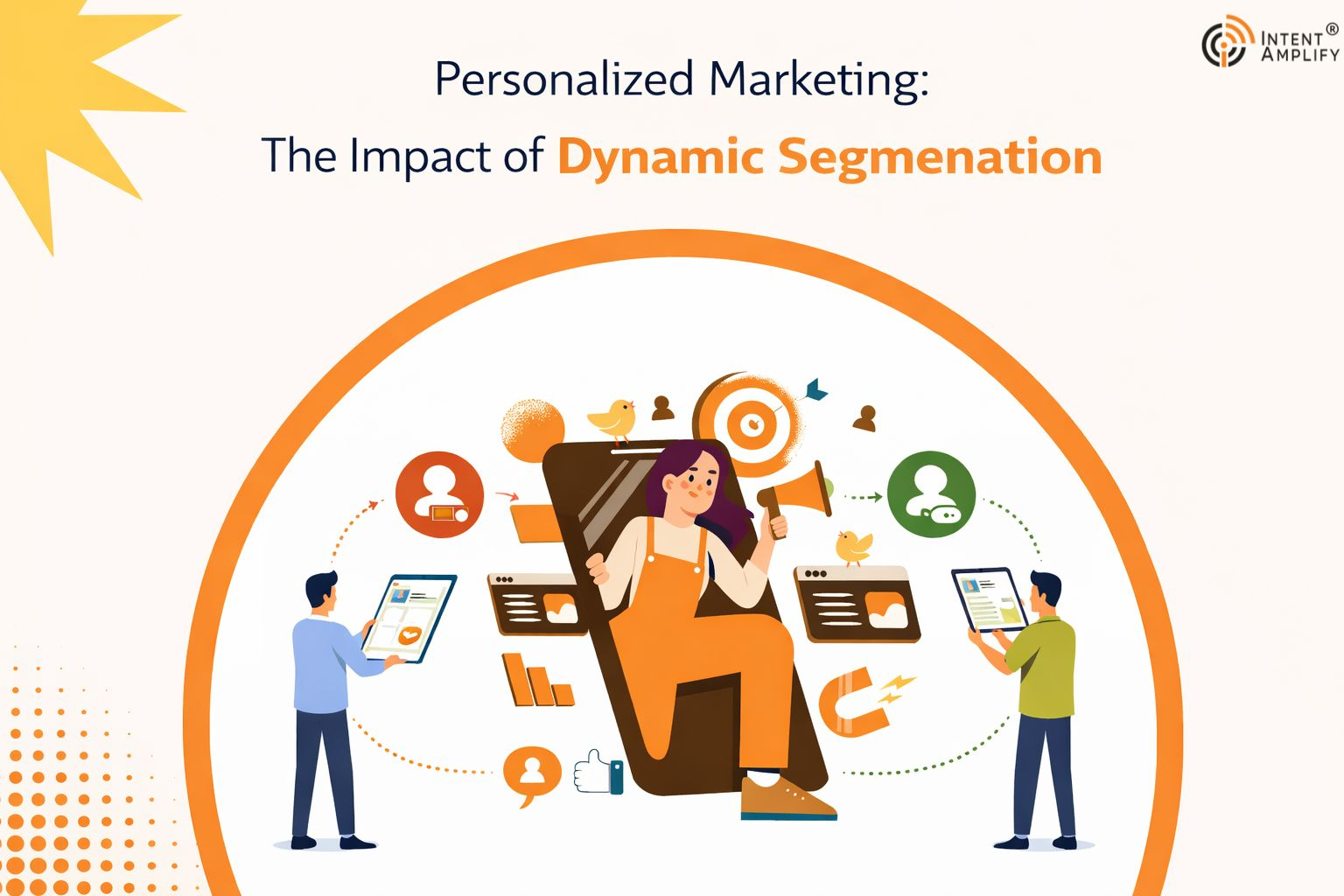
Modern B2B marketing is rapidly shifting toward personalization. Today’s buyers expect marketing messages, content, and recommendations that align closely with their specific interests, industry challenges, and purchasing stage. Generic campaigns that treat all prospects uniformly are becoming less effective in an increasingly competitive digital landscape.
Dynamic segmentation supports this shift by letting marketers continuously update audience groups based on real-time behavior and engagement data, resulting in more meaningful and timely marketing experiences for prospects.
For organizations investing in digital marketing, demand generation, and content-driven engagement, dynamic segmentation helps ensure that the right message reaches the right audience at the right time, improving both campaign performance and lead quality.
Before diving deeper, it's important to define what we mean by dynamic segmentation.
Dynamic segmentation refers to the process of automatically updating audience segments based on changing customer data, behaviors, and interactions. Unlike traditional segmentation, which often relies on fixed categories such as industry or job role, dynamic segmentation evolves continuously as new data becomes available.
This enables marketers to adjust their campaigns in real-time and deliver messaging that reflects a prospect’s current interests or stage in the buyer's journey.
Dynamic segmentation often uses data sources such as:
- Website interactions and content engagement
- Email campaign behavior
- Downloaded resources or gated content
- Webinar registrations and event participation
- CRM and marketing automation insights
By analyzing these signals, marketing teams can refine their targeting strategies and create more relevant audience segments.
Why Personalization Matters in Modern Marketing
Personalized marketing has become essential for attracting and retaining today’s B2B decision-makers. Buyers are exposed to a large volume of marketing messages every day, making it increasingly difficult for brands to stand out.
Personalization allows businesses to cut through this noise by delivering content that directly addresses the needs and priorities of their target audience.
When personalization is supported by dynamic segmentation, companies can:
- Deliver more relevant marketing messages.
- Increase audience engagement and interaction.
- Improve lead nurturing and conversion rates.
- Strengthen long-term relationships with prospects.
- Enhance overall marketing efficiency.
These benefits make dynamic segmentation a key component of modern marketing strategies.
How Dynamic Segmentation Enhances Marketing Campaigns
Dynamic segmentation empowers marketers to create more intelligent and responsive campaigns. Instead of sending the same message to an entire database, marketers can tailor content to specific audience groups based on their behavior and interests.
Some ways dynamic segmentation improves campaign performance include:
Behavior-Based Targeting
Segments can automatically update when prospects interact with specific content, allowing marketers to respond with relevant follow-up messaging.
Stage-Based Engagement
Prospects can be grouped according to their stage in the buying journey, enabling targeted campaigns for awareness, consideration, or decision stages.
Industry-Specific Messaging
Dynamic segmentation allows marketers to customize messaging based on industry verticals, ensuring that content addresses sector-specific challenges.
Real-Time Campaign Optimization
As audience behavior changes, marketing automation platforms can automatically adjust segmentation and campaign delivery.
The Role of Content and Digital Marketing
Content marketing plays a central role in successful personalization strategies. High-quality articles, research insights, case studies, and thought leadership content provide valuable engagement opportunities that help marketers better understand audience interests.
When combined with digital marketing initiatives such as email campaigns, sponsored industry placements, and targeted outreach, dynamic segmentation allows businesses to distribute relevant content to the most appropriate audience segments.
Organizations that maintain strong content ecosystems and collaborate with credible industry platforms can significantly expand their reach while delivering personalized experiences that resonate with decision-makers.
Best Practices for Implementing Dynamic Segmentation
To maximize the impact of personalized marketing strategies, organizations should follow several key practices.
Collect High-Quality Data
Accurate audience data is the foundation of effective segmentation. Businesses should focus on collecting reliable first-party data through digital interactions and engagement.
Integrate Marketing Technology Platforms
Connecting CRM systems, marketing automation tools, and analytics platforms allows marketers to create unified audience profiles.
Continuously Update Audience Segments
Dynamic segmentation requires ongoing analysis of audience behavior to ensure segments remain accurate and relevant.
Align Content with Audience Interests
Marketing teams should create targeted content designed to address specific industry challenges, business goals, and buyer stages.
Measure and Optimize Campaign Performance
Regularly reviewing engagement metrics helps marketers refine their segmentation strategies and improve campaign outcomes.
Conclusion
Personalized marketing is no longer optional for organizations seeking to remain competitive in today’s digital landscape. Buyers expect marketing experiences that reflect their interests, needs, and industry challenges.
Dynamic segmentation enables businesses to meet these expectations by continuously adapting audience targeting based on real-time data and engagement signals. By combining data-driven segmentation, valuable content strategies, and targeted digital marketing efforts, companies can deliver more meaningful marketing experiences and drive stronger engagement.
As marketing technologies continue to evolve, dynamic segmentation will play an increasingly important role in helping organizations build deeper relationships with their audiences and achieve sustainable growth through personalized marketing strategies.