Manufacturing, Materials, and Safety Standards
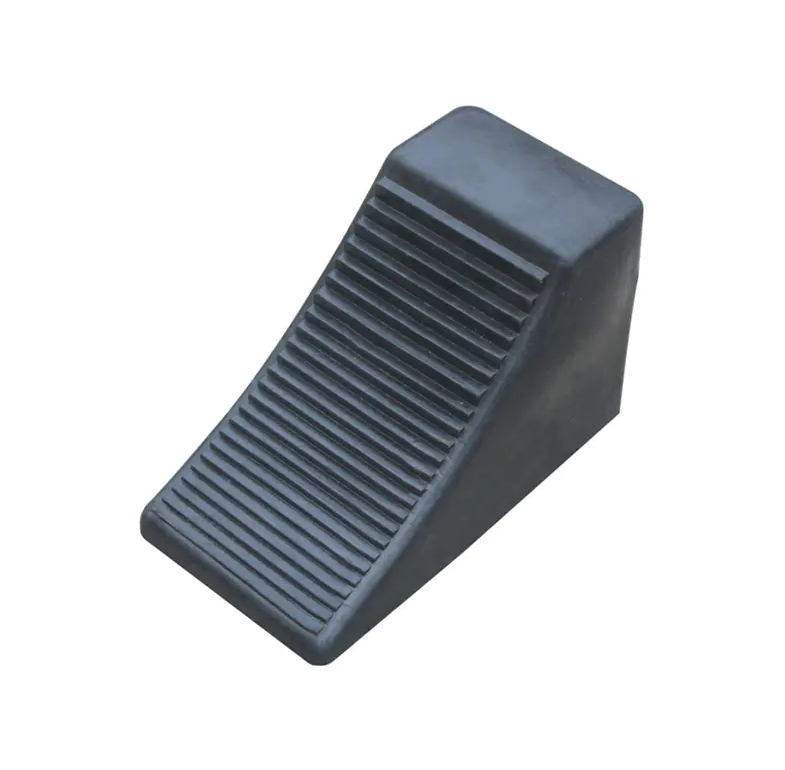
A Wheel Chock Manufacturer specializes in producing safety devices designed to prevent vehicles from moving when parked, particularly in areas with slopes or when heavy machinery is involved. Wheel chocks are essential in preventing accidents or unintentional vehicle movement in aviation, construction sites, garages, and transport areas.
The manufacturing process involves creating chocks from materials that provide maximum friction and resistance. Common materials include rubber, steel, aluminum, and plastic. Rubber wheel chocks are the most popular due to their excellent grip and durability. They also tend to be more flexible, reducing the risk of cracking or breaking compared to rigid materials. Metal chocks, such as those made of steel, are used for heavier vehicles or industrial applications where greater strength and load-bearing capacity are needed.
Manufacturers adhere to safety standards, ensuring that wheel chocks meet specific load-bearing capacities and other regulatory requirements. Many manufacturers provide certifications that indicate the products comply with industry standards, such as those set by OSHA (Occupational Safety and Health Administration) or ANSI (American National Standards Institute). Testing for factors like compression resistance, non-slip properties, and stability ensures that the chocks perform safely and effectively in real-world conditions.
Customization, Quality Control, and Applications
Customization options are commonly offered by wheel chock manufacturers. Clients can request wheel chocks of specific sizes, colors, and designs, including branding for their fleet or company. Features such as reflectors or high-visibility colors are also available to improve visibility, especially in low-light environments or for nighttime use in parking areas, garages, or airports.
Quality control is crucial in manufacturing wheel chocks. Manufacturers conduct rigorous testing to ensure that the chocks can withstand the intended pressure and weight without losing their effectiveness. Quality control tests typically include impact tests, testing for UV degradation, and long-term stress tests to simulate the wear and tear of daily use. Proper calibration and dimensional accuracy are also important to ensure that each chock provides consistent performance across a range of vehicles or equipment.
Wheel chocks are used across several industries and applications. In aviation, wheel chocks are critical for preventing aircraft from rolling during loading, unloading, or in transit. In construction and industrial sites, wheel chocks prevent equipment such as cranes, trucks, or forklifts from moving unintentionally. For personal use, wheel chocks are used in garages, parking areas, and when RVs or trailers are parked.
Selecting a Reliable Wheel Chock Manufacturer
When sourcing wheel chocks, buyers should consider factors such as material quality, load-bearing capacity, and customization options. A reputable manufacturer will offer products that are both durable and functional, providing ample testing data and certifications to back up their performance claims.
In addition, reliable manufacturers should offer clear guidance on selecting the right wheel chock for different vehicle types and environments. Whether you are looking for heavy-duty chocks for industrial applications or lightweight chocks for personal use, a trustworthy manufacturer will provide you with the right information and support.
For long-term performance, selecting a manufacturer that offers warranties, maintenance advice, and responsive customer service is essential.