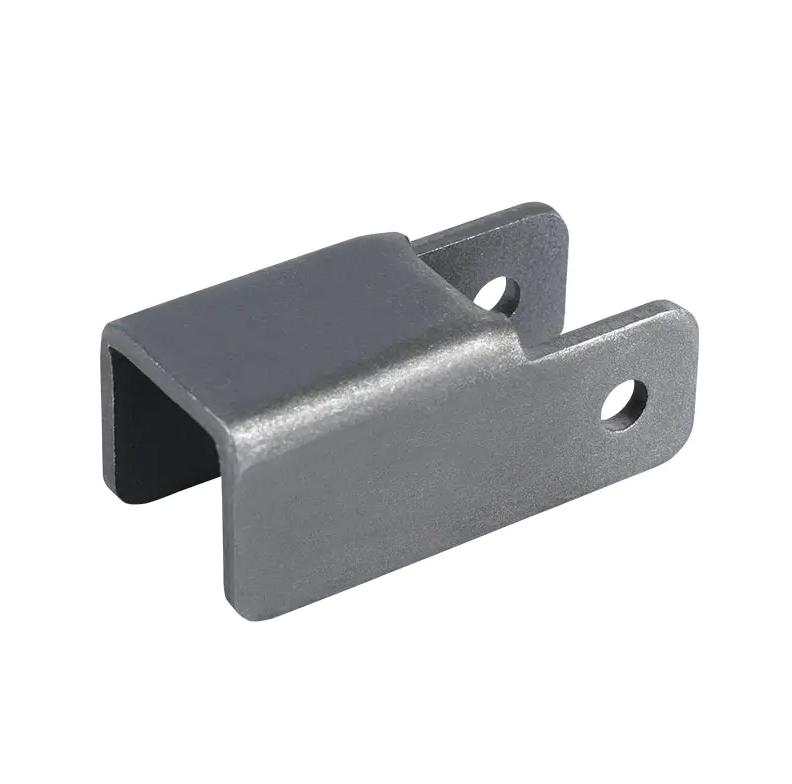
Core Manufacturing Operations
A stamping sheet metal factory transforms flat metal coils or blanks into shaped components using high-pressure presses and precision tooling. This process creates parts for automotive bodies, appliance housings, electronic enclosures, and countless other products. The factory floor houses presses ranging from small machines running simple brackets to massive transfer presses forming entire car door panels. Each stroke of the press delivers tons of force, reshaping metal through stretching, bending, or cutting operations that would be impossible through other methods.
From Coil to Finished Component
Raw material arrives as massive steel or aluminum coils weighing several tons. Decoilers unwind the metal while straighteners remove coil set curvature. Feeding systems advance precise lengths into the press workspace. Progressive dies then perform multiple operations with each stroke—piercing holes, forming contours, cutting profiles—until the finished part exits the final station. A well-organized stamping sheet metal factory coordinates steps seamlessly, with automated handling moving parts between presses for complex components requiring multiple forming stages.
Press Types and Capabilities
Different applications demand different press configurations. Mechanical presses deliver rapid strokes for high-volume simple parts. Hydraulic presses apply full force throughout the stroke, ideal for deep draws and complex forms. Servo-driven presses combine speed with programmability, changing motion profiles between products. Transfer presses move parts between stations within a single machine. The equipment mix within a stamping sheet metal factory determines what types of parts the operation can produce efficiently and economically.
Tooling Design and Maintenance
Dies represent the heart of stamping operations, custom-engineered for each specific part geometry. Toolmakers craft these precision assemblies from hardened tool steels, incorporating features for cutting, forming, and part ejection. Die maintenance requires constant attention because worn tools produce unacceptable parts. A professional stamping sheet metal factory employs skilled die technicians who inspect, sharpen, and repair tooling during scheduled press downtime, ensuring consistent quality across production runs that may extend for years.
Material Considerations and Selection
Metal selection dramatically affects stamping outcomes. Steel grades range from mild drawing qualities to high-strength variants requiring greater forming forces. Aluminum offers weight savings but demands different lubrication and tool clearance. Surface finish requirements influence coil purchasing decisions. An experienced stamping sheet metal factory guides customers toward appropriate materials, considering both part function and manufacturing practicality. Early material decisions prevent later problems with cracking, wrinkling, or dimensional variation.
Quality Control Systems
Stamped parts must meet strict dimensional specifications verified through multiple inspection methods. Coordinate measuring machines check critical features against CAD models. Optical comparators examine part profiles. Hardness testers confirm material properties after forming. Statistical process control tracks production trends, catching drift before parts exceed tolerance limits. A reputable stamping sheet metal factory maintains documentation tracing each production lot, providing customers with confidence in component quality and consistency.
Secondary Operations and Finishing
Many stamped parts require additional processing after forming. Deburring removes sharp edges from cutting operations. Tumbling smooths surfaces. Welding assembles multiple stampings into subcomponents. Cleaning prepares parts for painting or plating. Some stamping sheet metal factory operations include capabilities in-house, while others coordinate with specialized vendors. Understanding the complete manufacturing chain helps customers source fully finished components rather than managing multiple suppliers independently.
Industry Applications and Customers
Stamping serves virtually every manufacturing sector. Automotive customers consume enormous volumes of structural and body components. Appliance manufacturers need precisely formed panels and brackets. Electronics companies require enclosures shielding sensitive circuits. Medical device producers demand flawless cosmetic surfaces. A versatile stamping sheet metal factory serves multiple industries, applying lessons from each sector to improve quality and efficiency across all customer programs.