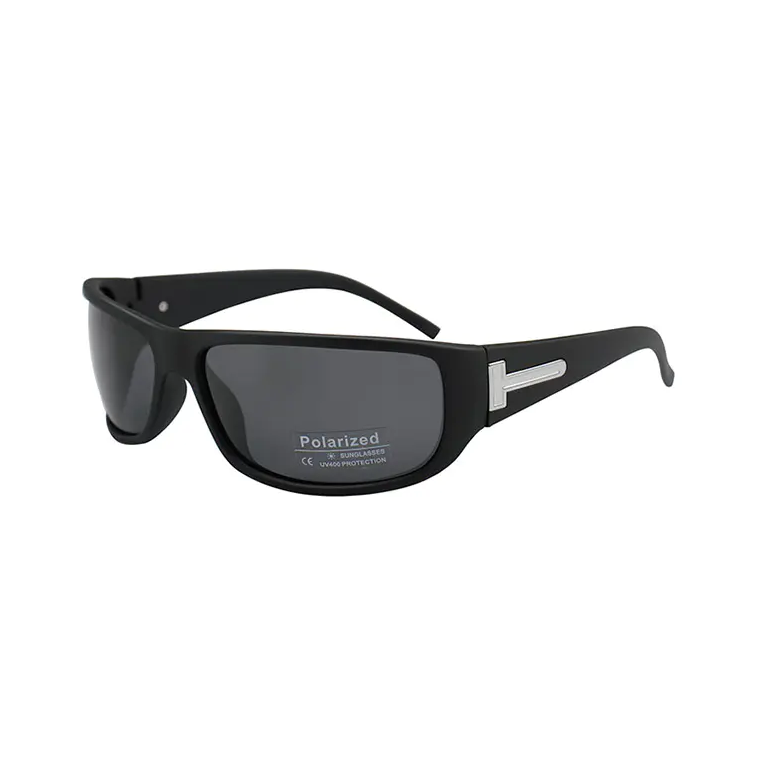
Core Product Definition
PC frame sunglasses are eyewear products featuring frames made from polycarbonate, a durable thermoplastic polymer known for exceptional impact resistance and lightweight properties. Polycarbonate frames offer significant advantages over traditional materials including superior flexibility, break resistance, and comfort for extended wear. These sunglasses combine the protective benefits of polycarbonate lenses with frames made from the same material, creating unified products ideal for sports, outdoor activities, and everyday use where durability matters most.
Material Properties and Advantages
Polycarbonate used in PC frame sunglasses possesses unique characteristics that make it ideal for eyewear applications. The material is virtually unbreakable under normal use, resisting impacts that would shatter conventional plastic or metal frames. It weighs significantly less than acetate or metal alternatives, reducing pressure on nose and ears during prolonged wear. Polycarbonate also naturally blocks harmful UV radiation, providing built-in protection regardless of lens tint. The material's flexibility allows frames to bend under stress without permanent deformation or breakage.
Manufacturing Process Overview
Production of PC frame sunglasses typically involves injection molding, where molten polycarbonate is forced into precision-machined molds under high pressure. The molds create complete frame fronts and temples with integrated hinge structures. After cooling, parts are removed, excess material trimmed, and components assembled with hinges and lenses. This process enables high-volume production with consistent quality and dimensional accuracy. Manufacturers like Wenzhou Focus Eyewear, with over twenty years experience, operate multiple injection lines producing millions of polycarbonate frames annually .
Injection Molding Technology
Injection molding for PC frame sunglasses requires specialized equipment and expertise. Material is heated to precise temperatures ensuring proper flow without degradation. Multi-cavity molds produce multiple frames simultaneously, maximizing production efficiency. Cooling rates are carefully controlled to prevent internal stresses that could cause warping. Advanced manufacturers utilize computer-controlled machines with real-time monitoring maintaining consistent quality across production runs. Some facilities maintain in-house tooling capabilities with CNC machines enabling rapid mold development and modification .
Design Flexibility and Customization
PC frame sunglasses offer extensive design possibilities through the injection molding process. Complex geometries including integrated hinge structures, textured surfaces, and multi-material combinations can be achieved in single molding operations. Color integration occurs during molding, eliminating painting requirements and ensuring color permanence. Manufacturers like Wenzhou Zhantai Glasses produce PC frames in various styles from classic designs to fashion-forward contemporary looks, serving global markets with OEM and ODM capabilities .
Quality Control Standards
Rigorous testing ensures PC frame sunglasses meet international quality and safety requirements. Frame durability testing includes flex tests simulating years of use, hinge cycle testing verifying mechanical reliability, and impact resistance validation. Dimensional inspection ensures consistent fit and lens alignment. Material verification confirms polycarbonate grade meets specifications. Reputable manufacturers maintain ISO 9001 certification and subject products to testing by accredited laboratories including SGS and Intertek, verifying compliance with CE, FDA, and other regional requirements .
Lens Integration and Compatibility
Most PC frame sunglasses utilize polycarbonate lenses that complement the frame material's impact resistance and lightweight properties. The lenses typically provide UV400 protection blocking one hundred percent of harmful UVA and UVB radiation. Options include polarized versions reducing glare for water and snow activities, gradient tints for variable light conditions, and mirrored coatings for enhanced glare reduction. Frame designs accommodate various lens shapes and sizes, with some manufacturers offering complete lens finishing services, including edging and coating.