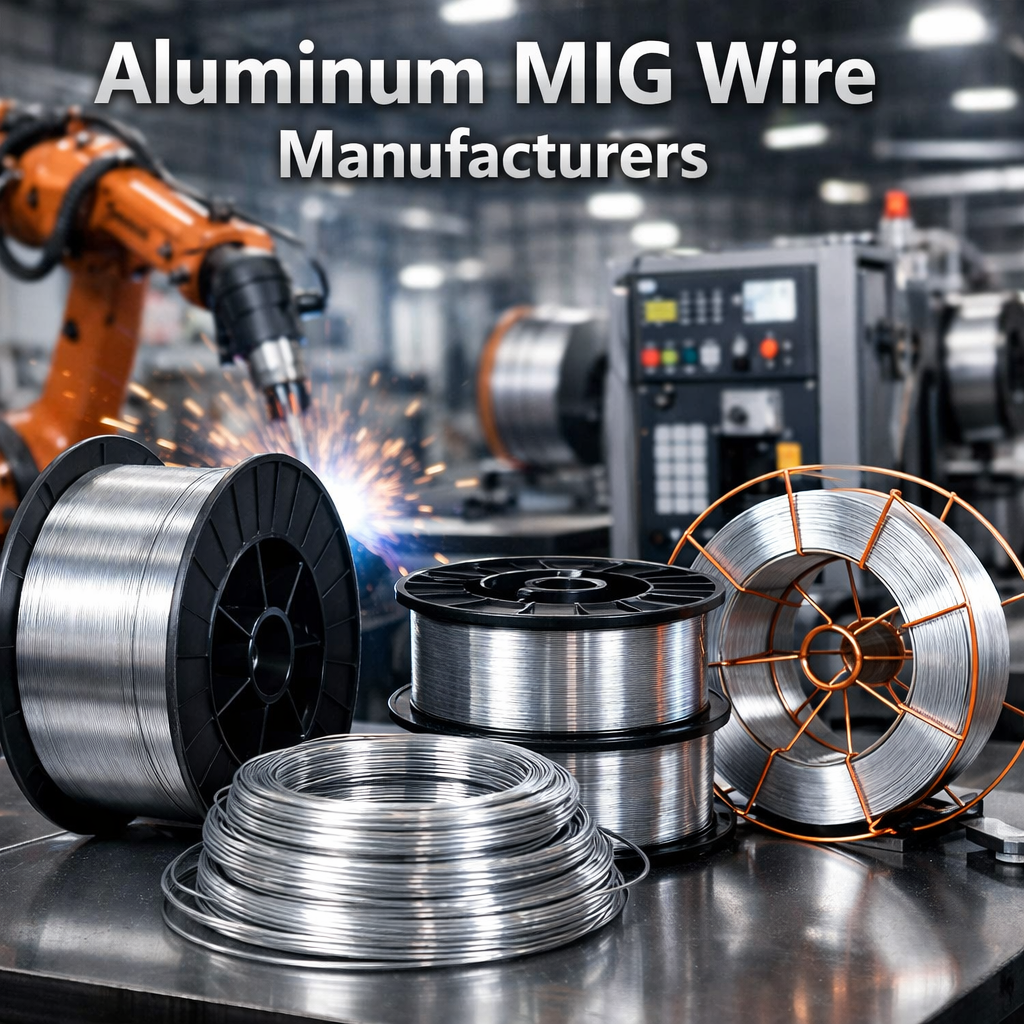
Aluminum Welding Wire ER5356 is widely recognized in metal fabrication for its reliability and versatility when working with aluminum alloys. For many professionals and manufacturers, understanding what ER5356 wire is used for can open the door to more efficient welding processes and stronger, more durable results. This type of welding wire is specifically designed to meet the demands of aluminum welding, offering a balance between strength, corrosion resistance, and ease of use.
ER5356 is a magnesium-alloyed aluminum filler wire, typically containing around 5% magnesium. This composition gives it enhanced mechanical properties compared to other aluminum welding wires. One of its primary uses is in welding 5xxx series aluminum alloys, which are commonly found in industries such as shipbuilding, automotive manufacturing, and structural engineering. Its chemical makeup allows it to provide solid weld strength while maintaining resistance to cracking during and after the welding process.
A key application of ER5356 wire is in environments where corrosion resistance is important. For example, marine structures and offshore equipment often rely on this type of welding wire because it performs well in saltwater conditions. The magnesium content contributes to improved resistance against oxidation and environmental wear, making it suitable for components that are exposed to moisture and varying temperatures over time.
Another important use of ER5356 is in the fabrication of transportation equipment. Aluminum is widely used in trailers, railings, truck bodies, and bicycle frames due to its lightweight properties. Welding these components requires a filler material that can handle dynamic stress and vibration. ER5356 provides the necessary ductility and toughness, helping welded joints maintain integrity even under repeated mechanical loads.
In addition, ER5356 wire is often selected for applications where color matching after anodizing is required. Compared to other aluminum filler wires, it produces a more consistent appearance after finishing processes. This makes it a practical choice for architectural structures, decorative panels, and consumer products where visual consistency matters alongside structural performance.
Ease of welding is another factor that contributes to the popularity of ER5356. It offers stable arc characteristics and smooth feeding during MIG welding processes, which helps reduce spatter and improve overall efficiency. Welders, whether experienced or new to aluminum work, often find this wire manageable and predictable in a range of operating conditions. This can translate into reduced rework and improved productivity in fabrication environments.
Furthermore, ER5356 is compatible with a variety of shielding gases, typically pure argon, which simplifies setup for many welding operations. Its adaptability makes it suitable for both manual and automated welding systems, allowing businesses to integrate it into different production workflows without significant adjustments.
When selecting a welding material, it is important to consider both the base metal and the service environment. ER5356 stands out as a dependable option for applications requiring strength, corrosion resistance, and good weld appearance. From marine components to transportation equipment and architectural elements, its range of uses demonstrates its value across multiple industries.
If you are looking to enhance your aluminum welding projects with reliable materials and consistent performance, exploring more about ER5356 solutions can be a practical step. For additional information and product details, you can visit https://www.kunliwelding.com/ to learn more about available options and how they can support your specific welding needs.