Understanding the Core Business Definition
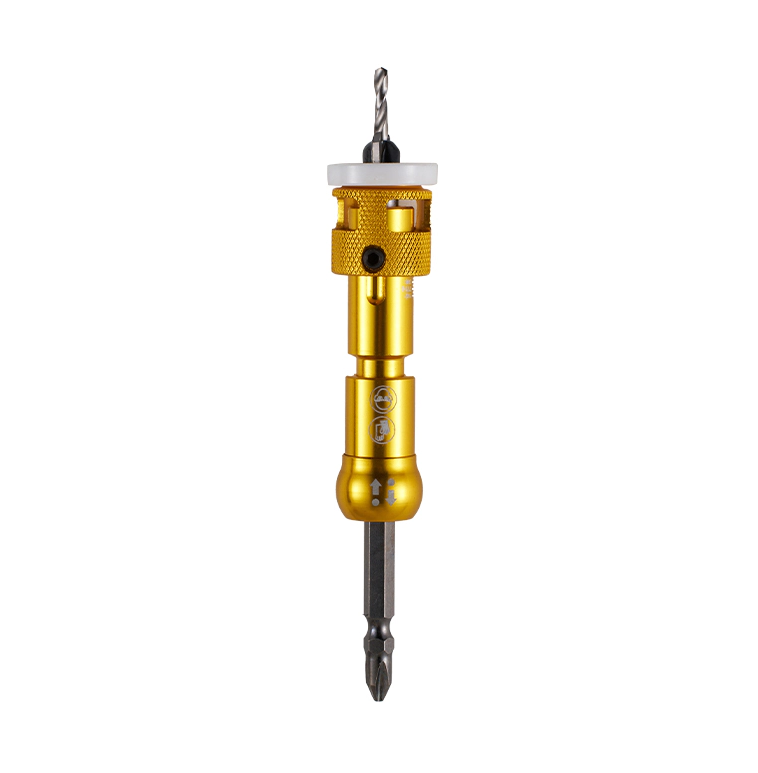
A countersink drill bits factory is a specialized manufacturing facility that produces cutting tools designed to create conical holes that allow screw heads to sit flush with or below the surface of wood, metal, or composite materials. These factories engineer and manufacture bits that combine drilling and countersinking operations into single tools, enabling woodworkers, cabinetmakers, and construction professionals to create professional-quality finished surfaces efficiently. The product range encompasses various configurations including single-flute designs for wood, multi-flute versions for metal, and combination bits that drill pilot holes, countersink, and counterbore in one operation. These precision tools are essential for applications ranging from furniture making to deck construction and cabinet installation.
Product Types and Configurations
A countersink drill bits factory produces several distinct bit types each optimized for specific materials and applications. Standard countersink bits feature angled cutting edges that create the conical recess for screw heads, available in common angles including eighty-two degrees for imperial screws and ninety degrees for metric fasteners. Combination drill and countersink bits integrate a pilot drill tip with the countersink section, allowing both operations in a single step. Adjustable countersink bits feature replaceable pilots and cutters that accommodate multiple screw sizes. Deburring countersinks include specialized geometry for cleaning rough holes in metal without creating additional chamfer. Each type requires specific manufacturing processes to achieve the precision cutting geometry required for clean, chip-free operation.
How Countersink Drill Bits Are Manufactured
Material Selection for Cutting Tools
Manufacturing countersink drill bits requires materials capable of maintaining sharp cutting edges through repeated use. High-speed steel provides excellent toughness and wear resistance for general woodworking applications, maintaining edge integrity while withstanding the lateral forces of hand drilling. Cobalt steel alloys offer enhanced heat resistance for drilling harder materials and longer production runs. Carbide-tipped bits combine tough steel bodies with ultra-hard cutting edges that maintain sharpness through thousands of holes in abrasive materials like MDF and particle board. Solid carbide bits provide maximum hardness for production environments but require careful handling due to brittleness. Material selection directly affects both manufacturing cost and finished tool performance.
Precision Grinding Operations
The defining characteristic of quality countersink drill bits is the precision-ground cutting geometry that determines performance. CNC grinding machines create the angled cutting faces with exact clearance angles that prevent binding while maintaining cutting efficiency. Flute grinding produces the channels that evacuate chips from the hole, preventing clogging and overheating. Point grinding creates the pilot drill geometry that guides the bit accurately into the workpiece. Relief grinding behind cutting edges reduces friction without compromising strength. Each grinding operation requires specialized wheels and precise machine control to achieve tolerances measured in thousandths of an inch.
Heat Treatment Processes
Achieving optimal hardness and toughness in countersink drill bits requires carefully controlled heat treatment. The steel bits undergo heating to precise temperatures followed by controlled cooling that transforms the metallurgical structure to achieve target hardness typically ranging from 60 to 65 on the Rockwell scale. Tempering processes follow to reduce brittleness while maintaining wear resistance, creating the optimal balance for cutting tool performance. Vacuum heat treatment prevents surface oxidation that would affect grinding accuracy. Through hardening ensures consistent properties throughout the bit, while case hardening may be specified for specific applications requiring tough cores with hard surfaces.
Quality Control and Inspection
Rigorous quality systems distinguish professional countersink drill bits factories serving demanding customers. Dimensional inspection using optical comparators verifies that cutting diameters, angles, and lengths meet design specifications within tight tolerances. Hardness testing confirms that heat treatment achieved target values consistently across production batches. Cutting tests on standardized materials verify that bits produce clean, burr-free countersinks without chatter or binding. Surface finish inspection ensures that grinding operations created properly smooth flutes that evacuate chips efficiently. These quality measures ensure that every bit performs reliably in professional applications.
Why Countersink Drill Bits Factory Matters for Precision Work
Importance of Consistent Geometry
The performance of any countersink drill bit depends absolutely on consistent cutting geometry maintained across entire production runs. Slight variations in angle accuracy cause screw heads to sit unevenly, either protruding above the surface or sinking too deeply and splitting thin materials. Inconsistent pilot drill diameters result in screws that either strip their threads or require excessive driving force. Poorly ground cutting edges produce torn grain in wood and rough surfaces in metal that require additional finishing work. A quality factory maintains the precision necessary for bits that produce professional results consistently.
Material-Specific Design Considerations
Different workpiece materials impose unique demands on countersink drill bit design that factories must address. Wood bits require razor-sharp cutting edges and polished flutes that prevent resin buildup and binding. Metal bits need more robust geometry with increased clearance angles to prevent galling and proper flute design for chip evacuation. Plastic bits demand highly polished cutting faces that melt rather than cut cleanly, requiring specialized grinding techniques. Composite materials combine challenges of multiple material types, requiring carefully optimized geometry. Factories serving diverse industries must master these material-specific design considerations.
Surface Finish Requirements
The surface quality produced by a countersink drill bit directly affects the appearance of finished work and subsequent finishing operations. Rough countersinks in wood tear grain fibers, creating fuzzy surfaces that stain unevenly and trap debris. Rough surfaces in metal provide starting points for corrosion and create sharp edges that can cut wiring or injure users. Properly ground bits with polished cutting faces produce smooth, clean surfaces that require no additional preparation before screw installation. The factory's grinding capabilities directly determine the surface quality their bits can achieve.
Production Efficiency for Volume Users
Professional woodworking shops and construction contractors depend on consistent countersink drill bit performance for production efficiency. Bits that dull quickly require frequent replacement, interrupting workflow and increasing consumable costs. Bits that wander or bind waste time and materials through ruined workpieces. Bits that produce inconsistent results require additional sanding and finishing operations that reduce productivity. Quality bits from reputable factories maintain performance through hundreds or thousands of holes, enabling the efficient production that keeps professional shops profitable.
Innovation in Bit Design
Countersink drill bits factories continuously innovate to address evolving user needs and material developments. Carbide-tipped designs extend tool life for production environments handling abrasive materials. Specialized coatings including titanium nitride and diamond-like carbon reduce friction and improve chip flow. Replaceable pilot systems reduce waste by allowing users to replace only worn components. Depth-stop collars enable precise, repeatable countersink depth for production applications. These innovations emerge from factories that maintain close relationships with professional users and respond to real-world performance feedback.
Packaging and Presentation
Professional countersink drill bits require packaging that protects precision cutting edges during storage and transport while clearly communicating specifications to users. Individual bit packaging may include protective sleeves that prevent edge damage from contact with other tools. Multi-bit sets require organized cases that keep bits separated and protected while allowing easy identification. Clear labeling of size, angle, and material compatibility ensures users select the correct bit for each application. Quality packaging reflects the precision of the tools inside and supports professional users in maintaining organized, efficient workshops.