Understanding the Basic Kitchen Tools
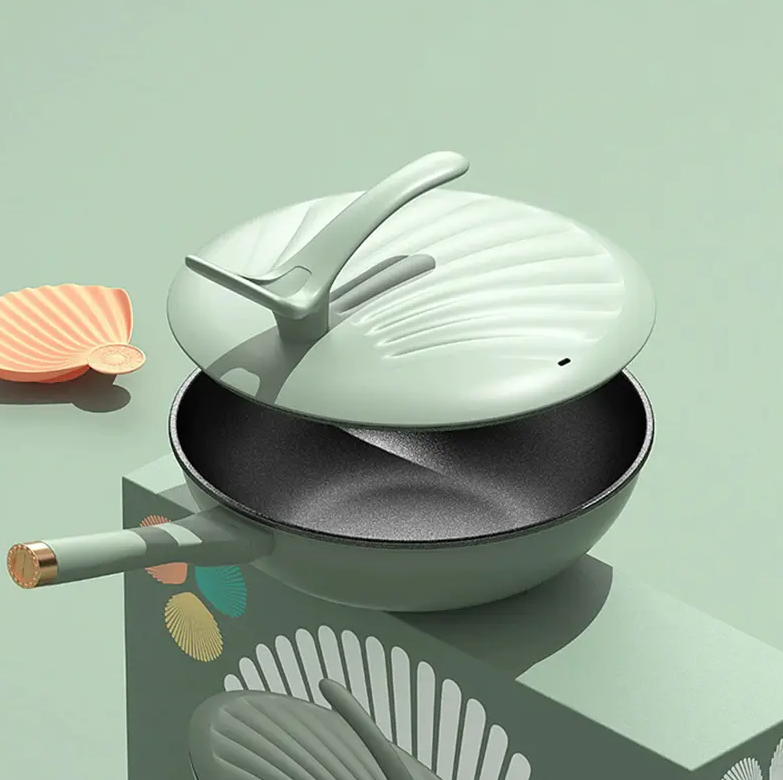
A household frying pan is a flat-bottomed cooking vessel designed for frying, searing, and browning foods on a stovetop. Characterized by its wide, shallow cooking surface and slightly sloping sides, this essential kitchen tool allows heat to transfer efficiently from the heat source to the food being cooked. Frying pans come in various sizes, materials, and configurations to suit different cooking techniques and family needs. From quickly sautéing vegetables to perfectly searing steaks, the frying pan is arguably the most frequently used piece of cookware in any home kitchen.
Common Cooking Applications
The versatility of a household frying pan makes it indispensable for countless cooking tasks. Breakfast preparations including eggs, bacon, and pancakes rely on the pan's flat surface for even cooking. Lunch sandwiches and grilled cheese develop perfect golden crusts in a properly heated pan. Dinner entrees from chicken breasts to fish fillets to stir-fried vegetables all benefit from the direct heat transfer and control that quality frying pans provide. The pan's shallow sides allow easy access with spatulas and utensils, making food flipping and turning simple and efficient.
How to Choose the Right Size Frying Pan
Small Pans for Everyday Tasks
Selecting the appropriate size household frying pan depends largely on typical cooking quantities and kitchen storage space. Small pans ranging from eight to ten inches in diameter are ideal for single servings and quick tasks. Cooking a single egg, sautéing mushrooms for a garnish, or warming a small portion of leftovers all benefit from a smaller pan that heats quickly and occupies minimal storage space. These compact pans are also excellent for teaching children basic cooking skills due to their manageable weight and size.
Medium Pans for Family Meals
The ten to twelve-inch household frying pan represents the most versatile size for average family cooking. This capacity comfortably handles two to four servings of most dishes, from chicken breasts to stir-fries to omelets. The larger surface area allows proper food spacing that promotes browning rather than steaming, critical for achieving restaurant-quality results at home. Most households find that a quality twelve-inch pan serves as their primary daily cooking tool, handling everything from weekday dinners to weekend breakfasts with equal capability.
Large Pans for Entertaining
Extra-large frying pans exceeding twelve inches accommodate larger quantities for family gatherings and entertaining. These pans can handle multiple steaks simultaneously, large batches of sautéed vegetables, or entire packages of bacon without crowding. However, the increased size requires larger cooking surfaces and more storage space, making them impractical as primary pans for most households. A large household frying pan serves as a valuable secondary option for occasions when cooking for crowds, supplementing the everyday medium-sized pan.
What Materials Are Used for Household Frying Pans
Stainless Steel Construction
Stainless steel represents one of the most popular materials for household frying pans due to its durability, non-reactive properties, and professional appearance. Quality stainless steel pans often feature encapsulated aluminum or copper bases that improve heat distribution across the cooking surface, eliminating hot spots that cause uneven cooking. Stainless steel withstands high temperatures without damage, making it ideal for searing and browning techniques. The material does not react with acidic foods like tomatoes or citrus, preserving food flavor and color. However, stainless steel requires proper preheating and sufficient oil to prevent sticking, techniques that home cooks can master with practice.
Non-Stick Coatings for Easy Cooking
Non-stick frying pans incorporate specialized coatings that prevent food adhesion, making them ideal for delicate items like eggs, fish, and pancakes. These household frying pans require less oil for cooking, appealing to health-conscious cooks seeking to reduce fat consumption. The smooth surface simplifies cleanup, often requiring only a gentle wipe with a soft sponge. However, non-stick coatings require careful handling to prevent scratching, and they generally cannot withstand the high heat suitable for heavy searing. Cooks should use wooden or silicone utensils and avoid stacking other pans inside non-stick surfaces to preserve coating integrity.