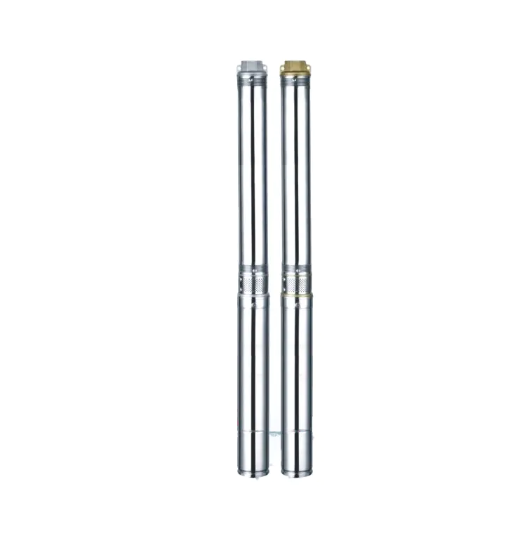
Deep well pumps are essential devices used in a variety of settings where water needs to be drawn from deep underground sources. These pumps are designed to handle the unique challenges associated with moving water from considerable depths, ensuring a reliable supply for agricultural, industrial, and residential applications. Unlike shallow pumps, deep well pumps are built to accommodate the pressure and flow requirements associated with deep wells.
One of the primary functions of a deep well pump is to lift water from depths that exceed the limits of conventional pumps. This capability makes them suitable for wells that are hundreds of feet deep. In agricultural applications, for example, a deep well pump provides a steady water supply for irrigation systems, ensuring crops receive consistent hydration even during periods of low rainfall. Industrial facilities also rely on these pumps to maintain water levels for cooling systems, processing operations, and other essential tasks.
When considering a deep well pump, several factors must be taken into account. The depth of the well, the volume of water required, and the overall system design are crucial elements. Different models are available to handle varying depths and flow rates, so selecting a pump that matches the specific needs of the site is important. Submersible designs are common, allowing the pump to operate efficiently while being protected from external environmental factors.
Maintenance and operational efficiency are also key considerations. Deep well pumps generally require periodic inspection and care to maintain consistent performance. This includes checking for wear on pump components, monitoring the motor function, and ensuring the well itself remains free from debris. Regular maintenance can extend the service life of the pump and prevent unexpected downtime.
Another aspect of deep well pumps is their energy usage. Pumps designed for deep wells often operate under higher loads due to the depth from which water must be lifted. Selecting a pump with suitable power requirements and monitoring its energy consumption can lead to more sustainable and cost-effective operation. Additionally, understanding the hydraulic characteristics of the well system, such as static water level and drawdown, can help in configuring the pump for efficient performance.
Applications of deep well pumps extend beyond agriculture and industry. Residential communities that rely on private or municipal wells also benefit from these pumps. They ensure a consistent water supply for households, schools, and small businesses. The ability of deep well pumps to deliver water from depths not accessible by surface pumps makes them an integral part of water management systems in many regions.
A deep well pump serves a vital role in accessing and managing underground water resources. Its design accommodates significant depth, variable flow rates, and diverse applications. By considering factors such as well depth, required water volume, energy use, and maintenance needs, users can select a pump that meets the demands of their specific situation. As water resources continue to play a critical role in agriculture, industry, and residential life, deep well pumps remain a reliable tool for ensuring a steady and dependable water supply.