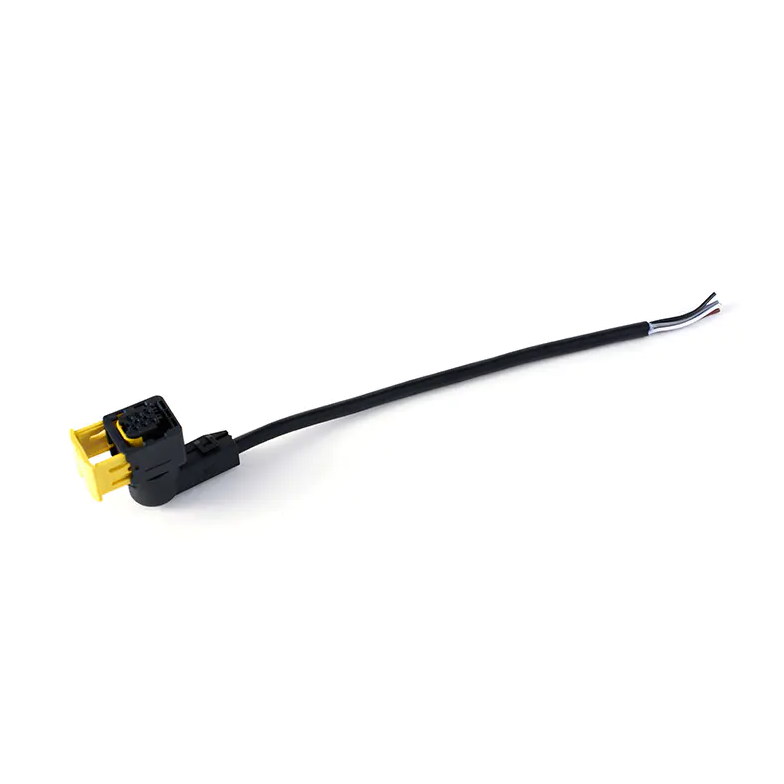
An Automotive Wiring Harness is a structured assembly of electrical cables, connectors, and terminals designed to transmit power and signals throughout a vehicle. Its primary function is to connect various electronic and electrical components, including lights, sensors, engine control units, and infotainment systems. The wiring harness ensures reliable communication between vehicle systems, supporting both safety and performance.
Structure and Components
The Automotive Wiring Harness typically consists of multiple wires bundled together and organized with protective coverings such as tapes, sleeves, or conduits. Connectors at the ends of the harness enable easy attachment to components, while terminals secure the wires in place. Modern wiring harnesses may also include shielding to reduce electromagnetic interference, as well as flexible materials that withstand vibrations and temperature changes common in automotive environments.
Manufacturing Considerations
A high-quality Automotive Wiring Harness requires precise design and manufacturing. Engineers must plan wire routing carefully to avoid excessive length, crossing paths, or exposure to heat and moving parts. Automated cutting, stripping, and crimping processes are commonly used in production to ensure consistent quality. Manufacturers may also conduct electrical testing to verify continuity, insulation resistance, and proper connectivity before the harness is installed in a vehicle.
Applications in Vehicles
The Automotive Wiring Harness is integral to both conventional and electric vehicles. In conventional cars, it powers ignition systems, lighting, and dashboard electronics. Electric vehicles rely on more complex harnesses to manage battery connections, motor controls, and energy management systems. In all cases, the wiring harness supports communication between sensors and control modules, enabling functions such as adaptive cruise control, anti-lock braking systems, and infotainment features.
Advantages and Benefits
Using a structured Automotive Wiring Harness provides several advantages. Bundling wires into a single harness reduces installation time and minimizes the risk of loose connections or short circuits. Protective coverings shield wires from abrasion, moisture, and temperature extremes, improving durability. Additionally, a well-designed harness improves maintenance and troubleshooting, as organized wiring allows technicians to identify faults or replace components more efficiently.
Challenges and Considerations
Designing and implementing an Automotive Wiring Harness involves addressing challenges such as weight reduction, space constraints, and compatibility with various vehicle models. Wiring must be flexible enough to accommodate vibrations while maintaining electrical performance. Manufacturers also need to consider future upgrades, such as adding sensors or new electronic systems, which may require modular or expandable harness designs.
Maintenance and Reliability
While the Automotive Wiring Harness is generally durable, regular inspections can help ensure long-term reliability. Checking for damaged insulation, loose connections, or corrosion in terminals prevents electrical failures. Proper handling during maintenance and repairs also contributes to the safe and consistent operation of the vehicle's electrical systems.
The Automotive Wiring Harness is a vital component that connects and powers the complex network of electrical and electronic systems in modern vehicles. Its careful design, protective features, and organized structure contribute to vehicle safety, functionality, and performance. By understanding the construction, applications, and maintenance of automotive wiring harnesses, manufacturers and technicians can ensure reliable operation and efficient service. This makes the wiring harness a foundational element in both conventional and electric vehicle design, supporting the growing demand for advanced automotive technology.