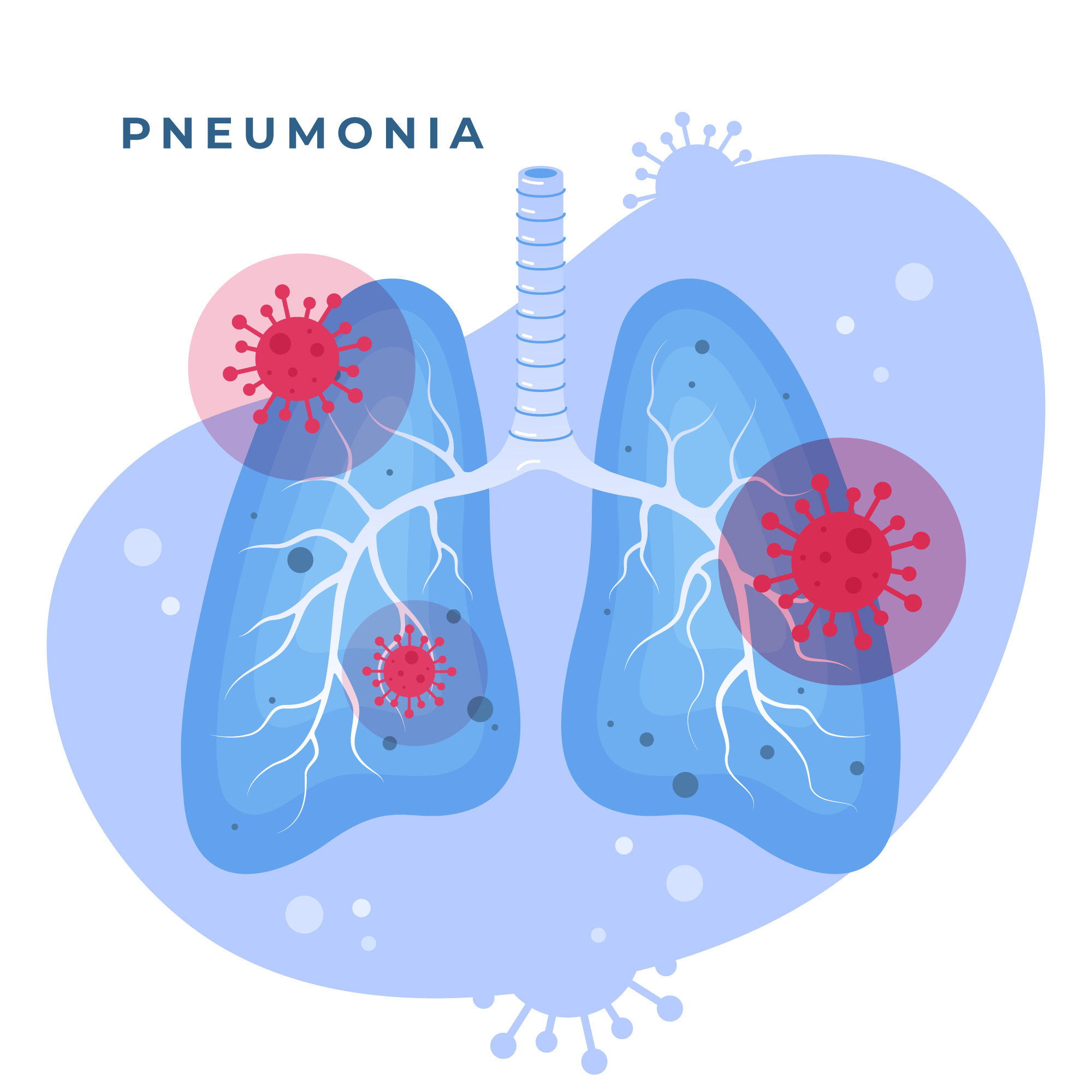
Recovering from Pneumonia can vary widely depending on several factors, including the severity of the infection, the patient's age, overall health, and how quickly treatment begins. Pneumonia is an inflammatory condition of the lungs typically caused by bacterial, viral, or fungal infections, and recovery is not always immediate even after symptoms begin to improve. Understanding the recovery timeline helps set realistic expectations and ensures proper care during the healing process.
General Recovery Timeline
For most otherwise healthy individuals with mild pneumonia, noticeable improvement may begin within 3 to 5 days after starting appropriate treatment. However, full recovery often takes longer:
- 1 week: Fever typically resolves.
- 4 weeks: Chest pain and mucus production significantly reduce.
- 6 weeks: Cough and breathlessness improve.
- 3 months: Most symptoms are gone, though fatigue may persist.
- 6 months: Full recovery is expected for many patients.
This timeline is not universal. Some people recover faster, while others especially older adults or those with chronic illnesses may take much longer.
The Role of Treatment in Recovery
Prompt and effective treatment is a critical determinant of recovery speed. In cases of bacterial pneumonia, antibiotics are the primary therapy. One commonly used antibiotic in hospital settings is Ceftriaxone injection. This medication is particularly effective against a broad spectrum of bacteria and is often administered intravenously or intramuscularly for moderate to severe infections.
When ceftriaxone injection is used appropriately, patients often experience symptom improvement within a few days. However, completing the full prescribed course is essential even if symptoms subside early to prevent relapse or antibiotic resistance.
For viral pneumonia, antibiotics like ceftriaxone injection are not effective unless there is a secondary bacterial infection. Instead, treatment focuses on supportive care such as rest, fluids, and sometimes antiviral medications.
Factors That Influence Recovery Time
Several variables can affect how long it takes to recover from pneumonia:
- Age: Older adults, especially those over 65, often experience slower recovery due to weaker immune systems.
- Severity of Infection: Severe pneumonia requiring hospitalization or intensive care can extend recovery to several months.
- Underlying Health Conditions: Chronic illnesses such as asthma, diabetes, or heart disease can delay healing.
- Smoking Status: Smokers may have prolonged recovery due to impaired lung function.
- Immune System Strength: Individuals with weakened immunity (eg, due to HIV, chemotherapy) take longer to recover.
Hospitalization vs. Home Recovery
Patients with mild pneumonia are often treated at home with oral antibiotics and supportive care. In contrast, severe cases may require hospitalization, oxygen therapy, and intravenous medications like ceftriaxone injection .
Hospitalized patients may begin recovery in a controlled setting, but discharge does not mean full recovery. Continued rest and follow-up care at home are essential. Some individuals may also need pulmonary rehabilitation to regain full lung function.
Symptoms During Recovery
Even after the infection is under control, residual symptoms can persist:
- Fatigue: One of the most common lingering effects, sometimes lasting weeks or months.
- Cough: May continue as the lungs clear remaining fluid and debris.
- Shortness of breath: Especially during physical activity.
- Chest discomfort: Mild pain or tightness can linger.
Monitoring these symptoms is important. If they worsen or fail to improve, medical reassessment may be necessary.
Importance of Rest and Nutrition
Adequate rest is crucial during recovery. The body requires energy to repair lung tissue and fight off infection. Patients are advised to avoid strenuous activity until they regain strength.
Nutrition also plays a vital role. A balanced diet rich in proteins, vitamins (especially vitamin C and D), and minerals supports immune function and tissue repair. Staying hydrated helps thin mucus, making it easier to clear from the lungs.
Preventing Complications
Incomplete recovery or premature return to normal activities can lead to complications such as:
- Pleural effusion: Fluid buildup around the lungs
- Lung abscess: A pocket of pus in the lung tissue
- Sepsis: A life-threatening systemic infection
Following medical advice, completing medications like ceftriaxone injection when prescribed, and attending follow-up appointments reduce these risks.
When to Seek Medical Attention
During recovery, certain warning signs should prompt immediate medical consultation:
- Persistent high fever
- Worsening shortness of breath
- Chest pain that intensifies
- Confusion or dizziness
- Bluish lips or fingertips (indicating low oxygen levels)
These symptoms may indicate complications or treatment failure.
Long-Term Outlook
Most people recover fully from pneumonia, especially with timely and appropriate treatment. However, some individuals particularly older adults or those with severe infections may long-term effects such as reduced lung capacity or chronic fatigue.
Vaccination can help prevent certain types of pneumonia. Vaccines against pneumococcal bacteria and influenza are especially recommended for high-risk groups.
Conclusion
Recovery from pneumonia is a gradual process that depends on multiple factors, including the severity of the illness and the effectiveness of treatment. While mild cases may resolve within a few weeks, more severe infections can take months for full recovery. Medications such as ceftriaxone injection play a crucial role in treating bacterial pneumonia and can significantly shorten recovery time when used correctly. Patience, proper medical care, and attention to overall health are key to a complete and complication-free recovery.