Introduction: Let Someone Else Do the Hard Part
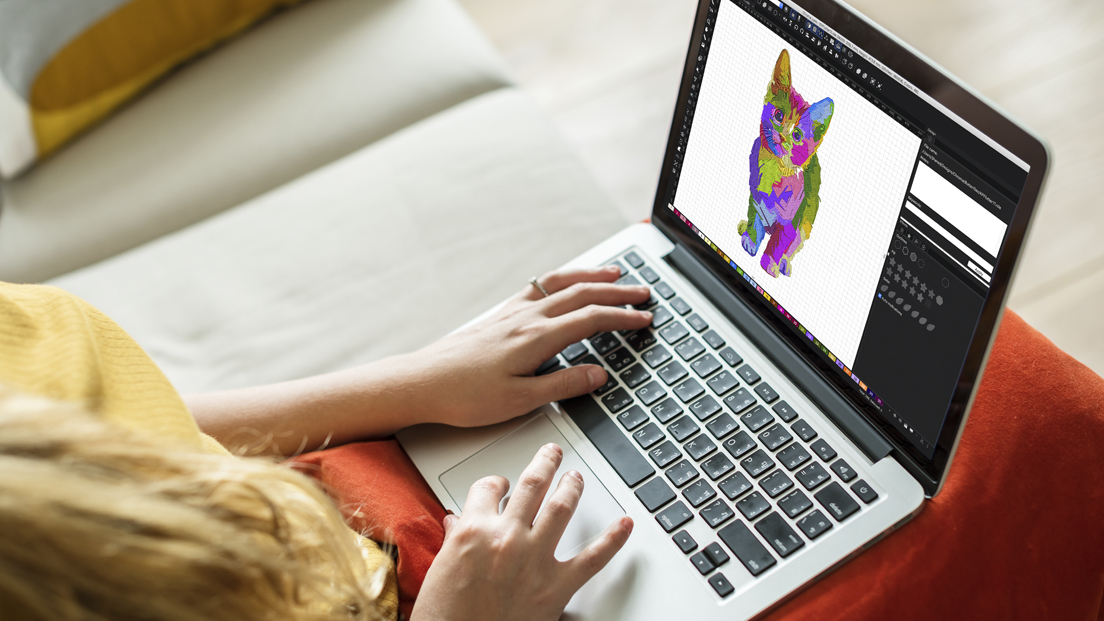
You started your small business because you love creating, not because you wanted to become a software expert. But here you are at midnight, staring at a frozen screen, trying to turn your logo into stitches. The program crashed twice. Your test sew looks like a bird nested on the fabric. And you still have orders to pack. I have been there. That is why I want to talk about Embroidery Digitizing Services and why they might be the best investment you make this year.
Handing your logo to a professional digitizer feels like hiring a plumber. Sure, you could watch YouTube videos and try to fix that leak yourself. But by the time you buy the tools, make three trips to the hardware store, and mop up the flooded kitchen, you realize some jobs are better left to the pros. Embroidery digitizing works the same way. A professional takes your artwork and returns a clean, stitch-ready file that runs beautifully on your machine. No guesswork. No wasted thread. No puckered logos on customer jackets.
This guide walks you through exactly what digitizing services offer, how to pick a good one, what you should expect to pay, and how to avoid the scams that plague this industry.
Why Small Businesses Cannot Afford to Digitize Everything Themselves
Let me be blunt. Learning professional digitizing takes months, not hours. You need to understand stitch density, pull compensation, underlay types, fabric behavior, thread tension, and machine quirks. And even after you learn the theory, you still need hundreds of hours of practice before your designs look clean.
As a small business owner, your time is better spent on marketing, customer service, product development, and actually sewing the final products. Every hour you wrestle with digitizing software is an hour you are not making money. I learned this the hard way. I spent two weeks digitizing a single logo for a client. The result looked mediocre. A pro could have done it in forty minutes, and it would have looked flawless.
Professional digitizing services scale with your business. Need one logo? Pay for one logo. Need fifty designs next month? Pay for fifty. You never buy expensive software, maintain updates, or replace a broken computer. You simply email your artwork and receive a ready-to-sew file.
What a Professional Digitizer Actually Does
A good digitizer does not just push a button. They manually plot every stitch, often zoomed in to 800 percent magnification. Here is what happens behind the scenes.
First, they analyze your artwork. They look for tiny text that will become unreadable, thin lines that will break, and gradients that embroidery cannot reproduce. Then they suggest changes. A professional digitizer tells you the truth. They will say, “That 4-point text will turn into a blob. Let me enlarge it or change the font.” A bad digitizer just runs an auto-converter and sends you garbage.
Second, they choose stitch types for each part of your design. Satin stitches for borders and small text. Tatami fills for large areas. Run stitches for fine details. They set different stitch angles for adjacent regions so the design catches light nicely.
Third, they add underlay. This hidden layer of stitches stabilizes your fabric and prevents shifting. Without proper underlay, your design will wrinkle, especially on stretchy shirts or puffy jackets.
Fourth, they apply pull compensation. Every fabric stretches and pulls as the needle punches through. A professional digitizer knows exactly how much to overcompensate for denim versus pique polo shirts versus performance sportswear. That experience comes from years of trial and error.
Finally, they test the file. Many shops sew out every design on sample fabric before sending it to you. They adjust until it looks perfect. That test sew matters more than anything else.
Red Flags to Watch For
The embroidery digitizing industry has a dark side. Cheap overseas services promise fifty logos for ten dollars. You get what you pay for.
Red flag number one: automated instant quotes with no human interaction. Avoid any service that asks you to upload a logo and returns a file in five minutes. That is an auto-converter. The results will pucker, gap, and skip stitches.
Red flag number two: no test sew photos. A legitimate digitizer happily shows you samples of their work on actual fabric. If they only provide screenshots of digital mockups, run away.
Red flag number three: refusal to edit. Designs sometimes need adjustments after you sew them on your specific machine and fabric. A good service includes at least one round of free edits. A bad service charges you again or ignores your emails.
Red flag number four: prices that seem too good. Quality digitizing costs between ten and twenty-five dollars per design for simple logos. Complex designs with heavy detail or large stitch counts cost more. Pay less than eight dollars, and you are almost certainly getting an automated mess.
What to Look For in a Digitizing Partner
Seek out services with real humans and real reviews. Look for companies that ask you about your machine brand, hoop size, and fabric type before they start. Those questions prove they understand that embroidery is not one-size-fits-all.
Ask for a sample digitizing before you place a large order. Many shops offer one free or discounted test design. Sew that test on your actual machine and your actual fabric. If it looks good, proceed. If not, move on.
Check their turnaround time. A reliable service delivers within twenty-four to forty-eight hours for standard jobs. Rush orders might cost extra but should arrive within four to eight hours. If they promise one hour for a complex logo, they are either lying or using automation.
Read their revision policy. The best services offer unlimited minor revisions for seven to fourteen days after delivery. Why? Because you might discover a small issue when you sew it on a different garment. That revision policy protects you.
How Much Should You Pay?
Let me give you real numbers from the current market. A simple monogram or single-color text logo runs eight to fifteen dollars. A corporate logo with three to five colors and moderate detail runs fifteen to twenty-five dollars. A highly detailed design with gradients converted to simulated colors, or a large patch with heavy stitch density, runs twenty-five to fifty dollars or more.
Some services charge by stitch count. A thousand stitches might cost two dollars, but minimum fees apply. Others charge a flat rate per design. Both models work as long as you understand what you are buying.
Avoid subscription services that charge monthly fees for unlimited digitizing. Those always restrict you to tiny, low-stitch designs, and the quality suffers because they rush each job to keep their margins.
Preparing Your Artwork for the Best Results
You help the digitizer help you by sending clean artwork. Vector files like AI, EPS, or SVG work best because they scale without distortion. If you only have raster files like PNG or JPEG, send the largest size you have, ideally 300 DPI or higher.
Remove any background elements that should not stitch. Write notes in your email. Tell them exactly which parts of your logo should be embroidered and which are just visual frame elements. If your logo has tiny text that you do not actually need, point that out. They can omit or simplify it.
Specify your fabric type. A logo that stitches perfectly on a cotton tote bag will pucker badly on a nylon jacket. Tell them exactly what garments you plan to embroider. Good digitizers adjust density and compensation based on that information.
Conclusion: Outsource Your Way to Better Embroidery
Professional embroidery digitizing services turn a frustrating, time-sucking task into a simple transaction. You send your logo. They send a stitch file. You sew it out and look like a hero.
For the cost of a pizza and a few beers, you skip months of learning curve and dozens of failed test sews. You preserve your sanity and your weekend. And frankly, your customers receive a better product because a pro digitized it.
Start small. Order one test design from a reputable service. Sew it on your machine. Compare it to any auto-digitized file you have tried before. The difference will shock you. Then build your relationship with that digitizer. Send them all your future work. Watch your embroidery quality improve overnight.
Your business deserves to look professional. Let the digitizers handle the software. You focus on what you do best—building something people love to wear.