
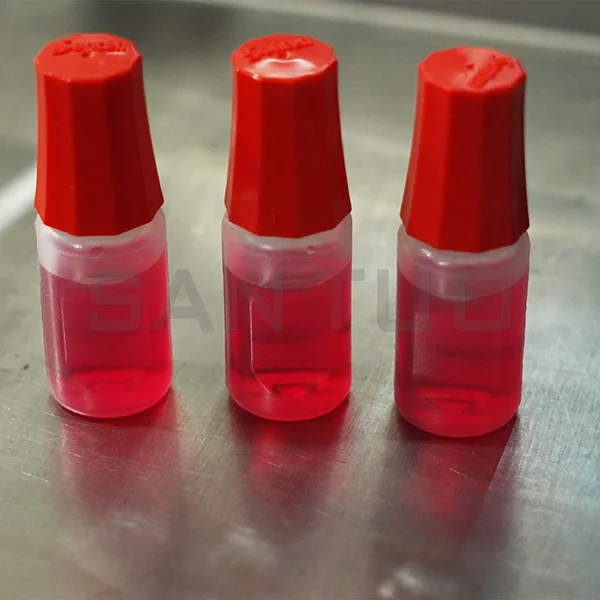
In pharmaceutical manufacturing, small round bottles such as eye drops, vials and oral liquid containers represent some of the highest-risk packaging formats. Their compact size, light weight and transparent materials make them particularly sensitive to visual defects—yet many production lines still rely heavily on manual sampling.
For business owners, this creates three persistent problems:
• Defects are easily missed
• Compliance risks increase
• Rework and rejection costs quietly grow
Modern machine vision inspection offers a practical way to address these challenges without slowing production.
Why Small Bottles Create Big Quality Risks
Small pharmaceutical containers are prone to issues that are difficult to detect by the human eye, including:
-
Tilted or improperly seated caps
-
Over-filled or under-filled liquid levels
-
Minor bottle deformation
-
Surface contamination or scratches
When these defects pass through to the market, they can lead to complaints, regulatory penalties, and product recalls—far more costly than preventing them in-line.
How Automated Vision Inspection Solves the Problem
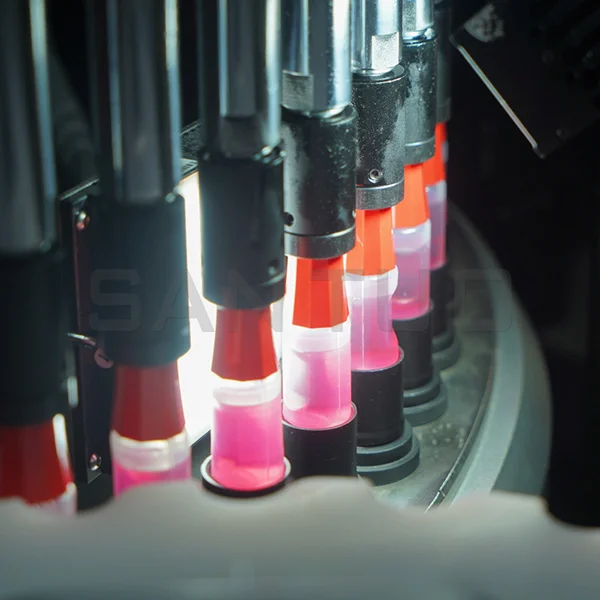
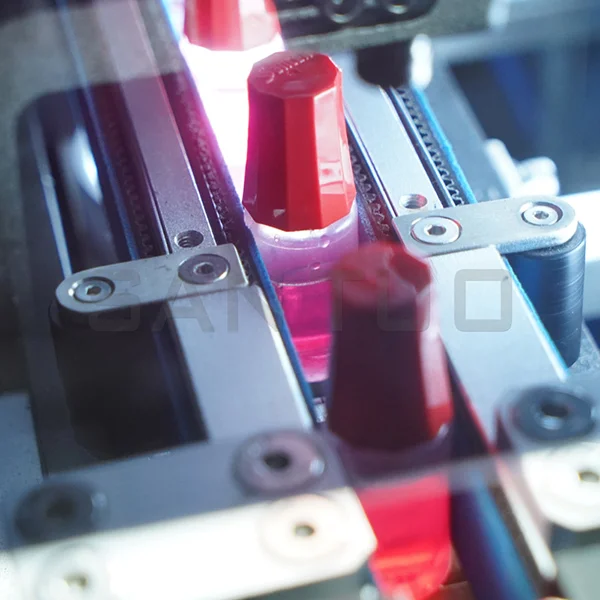
Modern appearance inspection systems use multi-angle cameras to capture each bottle from different viewpoints as it moves through the conveyor. High-speed processors analyse these images in milliseconds, allowing defective bottles to be identified and automatically removed.
Compared with manual checks, automated inspection provides:
-
100% in-line inspection
-
Consistent judgement standards
-
Stable performance over long production runs
This makes vision inspection particularly suitable for eye drops, vials and oral liquid packaging.
Key Technologies That Improve Inspection Reliability
1. Smooth, Scratch-Free Bottle Handling
Self-lubricating, wear-resistant polymer materials are used in the feeding mechanisms to ensure bottles move smoothly without surface damage. This helps prevent inspection errors caused by transport-related scratches.
2. Dual Protection Against Inverted Bottles
Automatic inverted-bottle removal combined with photoelectric detection ensures incorrectly oriented bottles are intercepted before entering sorting screws—protecting both product quality and machine safety.
3. Deep Learning AI for Defect Recognition
Advanced vision software powered by deep learning enables fast training, strong adaptability and high recognition accuracy. It can detect subtle variations in fill level, cap position and surface appearance that traditional algorithms may miss.
4. Recipe Storage for Fast Changeovers
Inspection parameters can be saved as product “recipes” and recalled instantly. This allows fast product changeovers while maintaining consistent inspection standards.
Operational Safety and Maintenance Benefits
From a management perspective, inspection equipment must be safe and easy to maintain. Integrated air-pressure monitoring, alarm shutdown functions and low-speed manual control modes provide safer commissioning, maintenance and troubleshooting—reducing downtime and protecting critical components.
Where This Technology Is Applied
These inspection systems are widely used for:
-
Eye drop bottles
-
Vials
-
Oral liquid pharmaceutical packaging
-
Small round medical containers
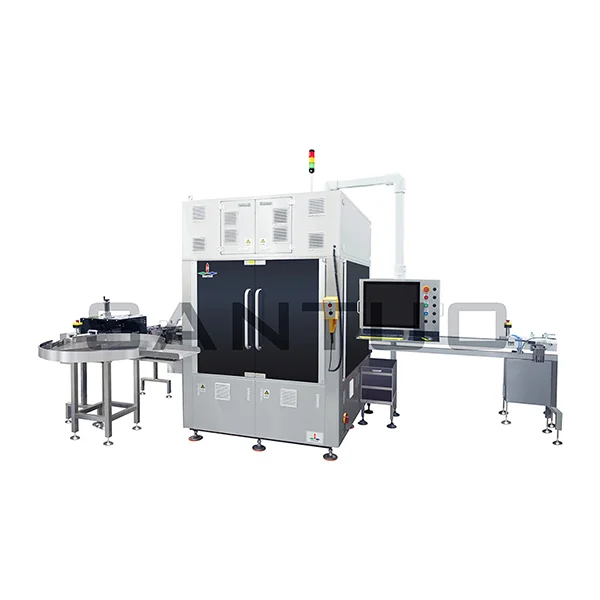
Manufacturers looking to strengthen appearance quality control for these products often adopt dedicated vision-based inspection equipment such as the Bare Bottle Appearance Light Inspection Machine, which can be integrated directly into production lines:
Why Business Owners Are Paying Attention
For pharmaceutical manufacturers, visual quality inspection is no longer optional—it is becoming a baseline requirement for regulatory compliance, export readiness and brand protection. Automated inspection systems help:
-
Reduce customer complaints
-
Prevent recalls
-
Lower rework costs
-
Improve overall production consistency
Most importantly, they shift quality control from “sampling-based” to “process-based”.
Conclusion
Small bottles may seem simple, but they demand the highest level of appearance and fill-level consistency. Vision inspection technology provides manufacturers with a scalable, reliable way to manage these risks while improving operational efficiency.
For enterprises focused on long-term quality stability and regulatory confidence, automated appearance inspection is quickly becoming an essential production investment—not just an upgrade.